The news
Former Yahoo CEO Marissa Mayer unveiled Dazzle, an AI assistant that learns about users from the photos on their phones, TechCrunch reported on September 29, 2026. Same-day reports on Wabi and Instinct show where consumer AI startups are looking for an edge.
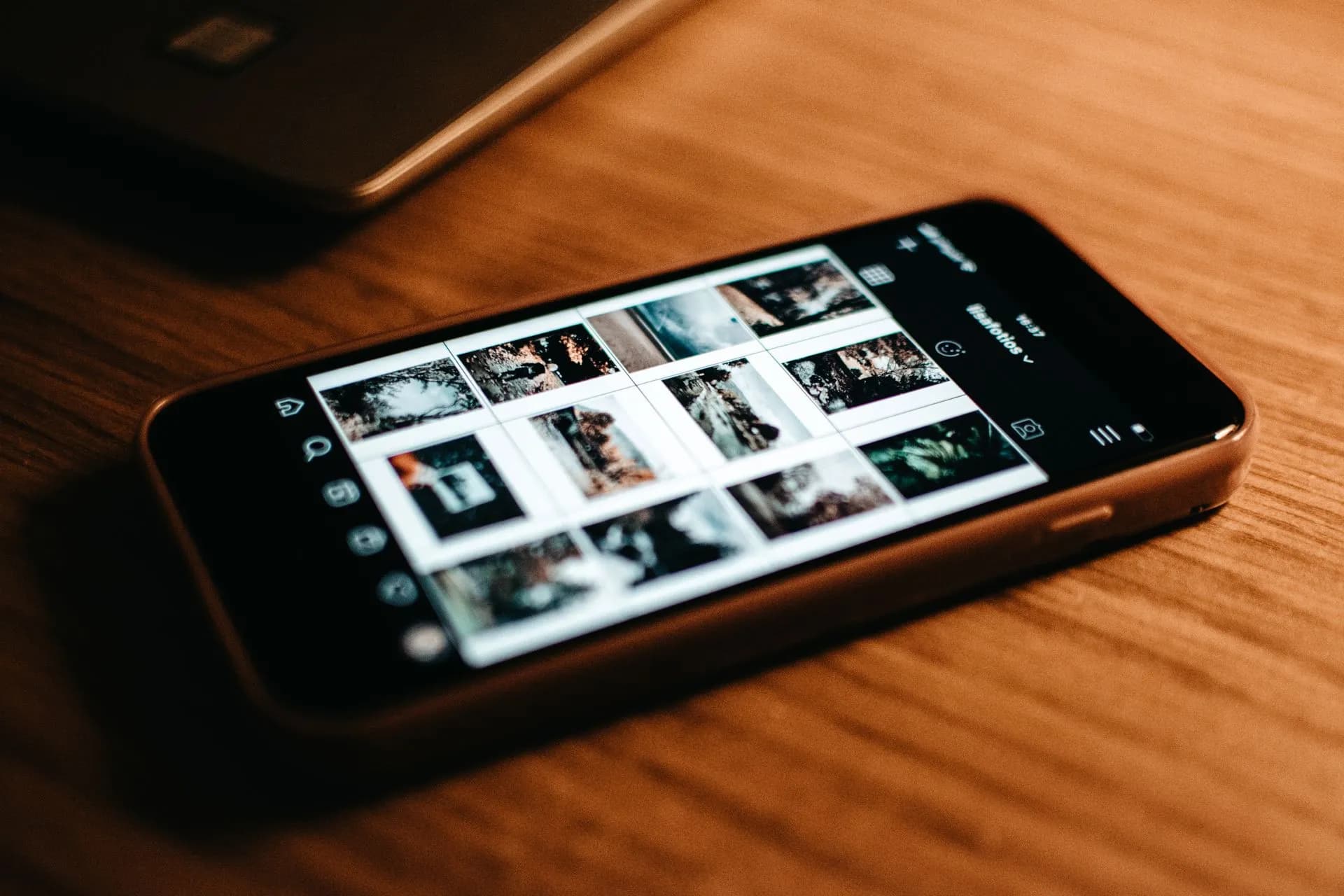
Instead of drawing context from email, calendars or shopping histories, Dazzle takes it from the camera roll, according to TechCrunch. For quick tasks it scans recent photos, for example adding an event from a photographed flyer to a calendar, or finding a repair person after spotting a broken garage door. It also mines the full photo library for ideas ranging from holiday trips to birthday gifts. Users reach it through its app or by text.
TechCrunch reported that Dazzle is designed to understand users' hobbies, interests, food and style preferences, and who they spend time with. Mayer called photos "an underappreciated source of information" and said Dazzle discards any personal information its AI flags as sensitive. Dazzle raised an $8 million seed round in December 2025. Mayer's previous startup, Sunshine, launched a photo-sharing tool called Shine in 2024 that eventually shut down.
Wabi, the startup from Replika founder Eugenia Kuyda that let people build apps by typing prompts, is pivoting to a personal agent inside a messaging interface, TechCrunch reported. The agent creates the screens a task needs on demand, such as a health tracker, a weightlifting log or a family calendar, organized in topic threads. Kuyda argues that chat-only agents bury a user's history and ongoing tasks in one endless scroll. The new version is invite-only.
Instinct shows where the money is going. The invite-only AI agent raised $1 billion in Series C funding at a $10 billion valuation from Sequoia Capital, Benchmark and Coatue on Monday, September 28, TechCrunch reported. Founder Noah Shinn said on a podcast with investor Patrick O'Shaughnessy that more than 50% of transactions on the platform are travel-related and that it is approaching $1 billion in annual transactions. TechCrunch also reported the platform is growing 10% day by day. The 14-person startup competes with Meta's (META) Muse and Khosla-backed Wajo.
Not every consumer bet is software. Uhura Bionics, founded in 2023 by Konrad Zieliński, who lost his voice to cancer as a student, makes wearable glasses that TechCrunch says let people whose voice boxes were removed speak with emotion, laugh, shout and even sing. They cost $500 for a basic model and $1,500 for a premium model called Whitney.
The numbers
- Dazzle seed round (December 2025)
- $8 million
- Instinct Series C / valuation
- $1 billion / $10 billion
- Share of Instinct transactions that are travel-related (founder)
- More than 50%
- Instinct annual transactions (founder)
- Approaching $1 billion
- Uhura Bionics device prices
- $500 basic; $1,500 Whitney
Why CEOs should care
For travel, hospitality and retail executives, Instinct's numbers are the ones to study. If an invite-only agent with 14 employees is nearing $1 billion in annual transactions, and more than half are travel-related, AI agents are becoming a booking channel. Ask whether an agent can find, price and book your inventory without a human, whether your loyalty program still applies when an agent makes the purchase, and who owns the customer relationship when a traveler never visits your site.
Payments and risk teams have their own homework. When an agent books a hotel or flight on someone's behalf, the questions of who authorized the purchase, who bears a chargeback and how fraud models treat automated buyers all change. CFOs should ask their payment providers how they identify agent-initiated transactions and what liability rules apply when an agent books the wrong trip.
CISOs should note Dazzle's approach. Phones hold far more than holiday snaps: screenshots of documents, whiteboard photos, badges and boarding passes. An assistant that analyzes the whole camera roll could see all of it. Mayer says Dazzle discards information its AI flags as sensitive; security teams should ask how that is defined, where photos are processed, and whether bring-your-own-device policies cover consumer AI assistants that employees connect to personal phones used for work.
The bigger picture
The first wave of consumer AI was chatbots answering questions. This one is agents that need two things: rich personal context and the ability to spend money. TechCrunch described a wave of similar tools flooding the market over the past month, and each startup is choosing a different source of context. Dazzle bets on photos, which TechCrunch suggested users may be more comfortable handing over than email and messages. Wabi bets on building interfaces around a user's tasks. Instinct is already handling real transactions. For brands, that shifts the meeting point with customers away from search results and apps and toward the agent that decides what to book or buy.
What’s next
Watch whether Dazzle adds the ability to book or buy, which TechCrunch's report does not describe, and whether Instinct and Wabi open beyond invite-only access. Uhura Bionics is pursuing Class I medical device status in Europe and the U.S., which could open the door to partial insurance reimbursement.
What “Fact-checked” means
Fact-checking means testing a story’s facts against the evidence before it is published. This story went through at least two separate checks before this version was published.
- What we checked
- Its names, figures, dates, job titles, quotes and who said what were checked against the story’s sources, including its main source where it could be opened. The headline was checked for accuracy and overstatement.
- How
- A first check reviewed the whole story. If it passed, a second, skeptical check went back to the sources to look for mistakes in the most important facts. If a check flagged the story, it was edited to fix the problems found, and a separate re-check then reviewed the whole story again.
- Who
- The checks are made by our newsroom, as steps kept separate from the writing, under rules set by our editor, Hussein Mukhtar. A story the checks still flag is held for the editor, who decides whether it is fixed, published or dropped.
- If something is wrong
- “Fact-checked” does not mean error-free. If a material error is found after publication, we correct the story and add a note saying what changed. Report an error