The news
Three AI suppliers are lining up large sums of money before planned stock market listings, according to reports published between October 5 and October 6, 2026. Lambda, DeepSeek and Anthropic are each at different stages, but together they show the scale of cash the industry wants before facing public investors.
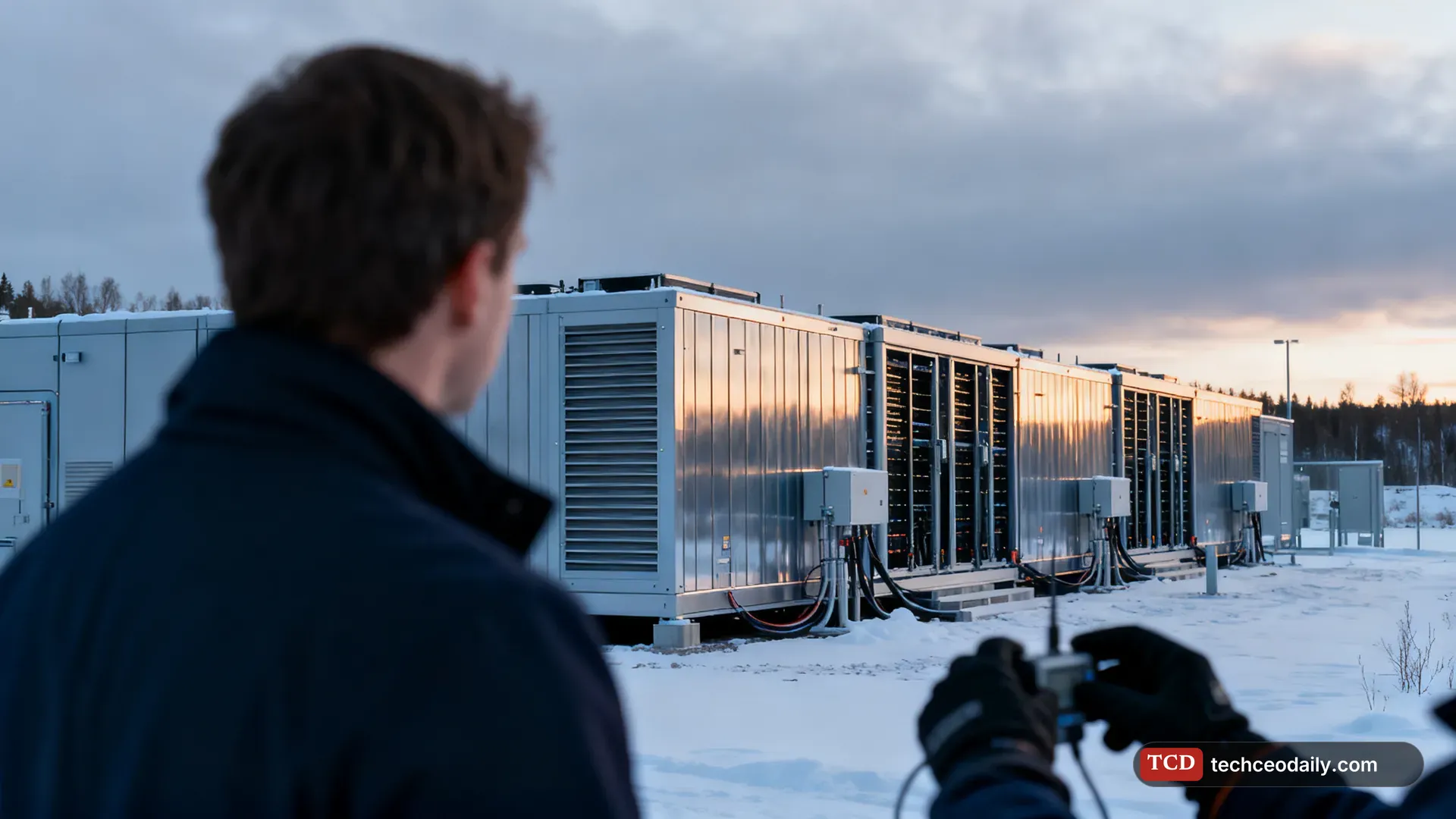
Lambda, a GPU cloud provider that rents Nvidia-based computing capacity, is raising up to $4 billion at a $14.5 billion pre-money valuation, TechCrunch reported on October 6. Coatue Management and Blackstone are leading the round, which TechCrunch said is expected to be Lambda's final private raise before a planned 2027 IPO. TechCrunch reported that Lambda's backlog, or contracted future revenue, rose from $15 billion in June to $50 billion in September, with Anthropic's cloud services deal of about $35 billion, signed in late August, accounting for much of the increase. Lambda also recently secured $1 billion in debt financing to buy chips, according to the report.
DeepSeek, the Chinese AI model developer, is raising about $12 billion, and the round could approach $15 billion, Bloomberg News reported on October 6, according to PYMNTS. The initial target was 50 billion yuan, or about $7.4 billion. Contemporary Amperex Technology Co. (CATL) and Tencent are among the largest backers, and the company intends to go public in 2027, the report said.
Anthropic is further along. The Register, discussing a leaked prospectus first reported by the Financial Times in late September, said the filing shows an $8 billion operating loss against $4.6 billion in revenue and plans to spend about $500 billion on cloud computing over several years. The Register said Anthropic reported adjusted profitability in the second quarter of 2026 on a basis that excludes model training costs, and that the company plans a November listing. The prospectus also discusses existential risks from AI, The Register reported.
The numbers
- Lambda raise (up to)
- $4B at $14.5B pre-money
- Lambda backlog, September
- $50B (from $15B in June)
- DeepSeek raise
- About $12B, could approach $15B
- Anthropic operating loss vs revenue (reported)
- $8B vs $4.6B
- Anthropic planned cloud spend (reported)
- About $500B over several years
Why CEOs should care
For technology buyers, IPO paperwork is the best vendor due diligence they will ever get for free. A prospectus must disclose losses, customer concentration and spending commitments. Procurement and vendor-risk teams should read the risk-factor sections of any AI supplier that files, and ask existing vendors still private for comparable data: runway, largest customers and committed compute spend.
The Lambda figures show why. When roughly $35 billion of a $50 billion backlog comes from a single customer, as TechCrunch's report indicates, the supplier's health is tied to that customer's. Buyers of GPU capacity should ask what happens to their reserved capacity if a provider's largest client cuts back, and whether contracts include service credits or exit rights tied to financial events.
CFOs and boards should also note the gap between headline and adjusted profitability. The Register said Anthropic's adjusted profit excludes training costs. If a vendor's prices are set to cover only inference, future price increases are a planning risk worth stress-testing in multi-year AI budgets. For DeepSeek, US buyers face separate questions of data jurisdiction and export rules regardless of its fundraising.
The bigger picture
Lambda would follow CoreWeave and Nebius, which are already public, and British rival Nscale, which TechCrunch said filed for a US IPO in September. TechCrunch also reported that lenders are becoming choosier, making equity more important for capital-hungry infrastructure firms. Moving from private funding to public markets trades secrecy for scrutiny, and that shift will reshape how AI vendors are judged.
What’s next
Watch for Anthropic's public filing and pricing, the close and final size of the Lambda and DeepSeek rounds, and the first quarterly reports these companies would publish as listed firms.
What “Fact-checked” means
Fact-checking means testing a story’s facts against the evidence before it is published. This story went through at least two separate checks before this version was published.
- What we checked
- Its names, figures, dates, job titles, quotes and who said what were checked against the story’s sources, including its main source where it could be opened. The headline was checked for accuracy and overstatement.
- How
- A first check reviewed the whole story. If it passed, a second, skeptical check went back to the sources to look for mistakes in the most important facts. If a check flagged the story, it was edited to fix the problems found, and a separate re-check then reviewed the whole story again.
- Who
- The checks are made by our newsroom, as steps kept separate from the writing, under rules set by our editor, Hussein Mukhtar. A story the checks still flag is held for the editor, who decides whether it is fixed, published or dropped.
- If something is wrong
- “Fact-checked” does not mean error-free. If a material error is found after publication, we correct the story and add a note saying what changed. Report an error
Companies in this story