The news
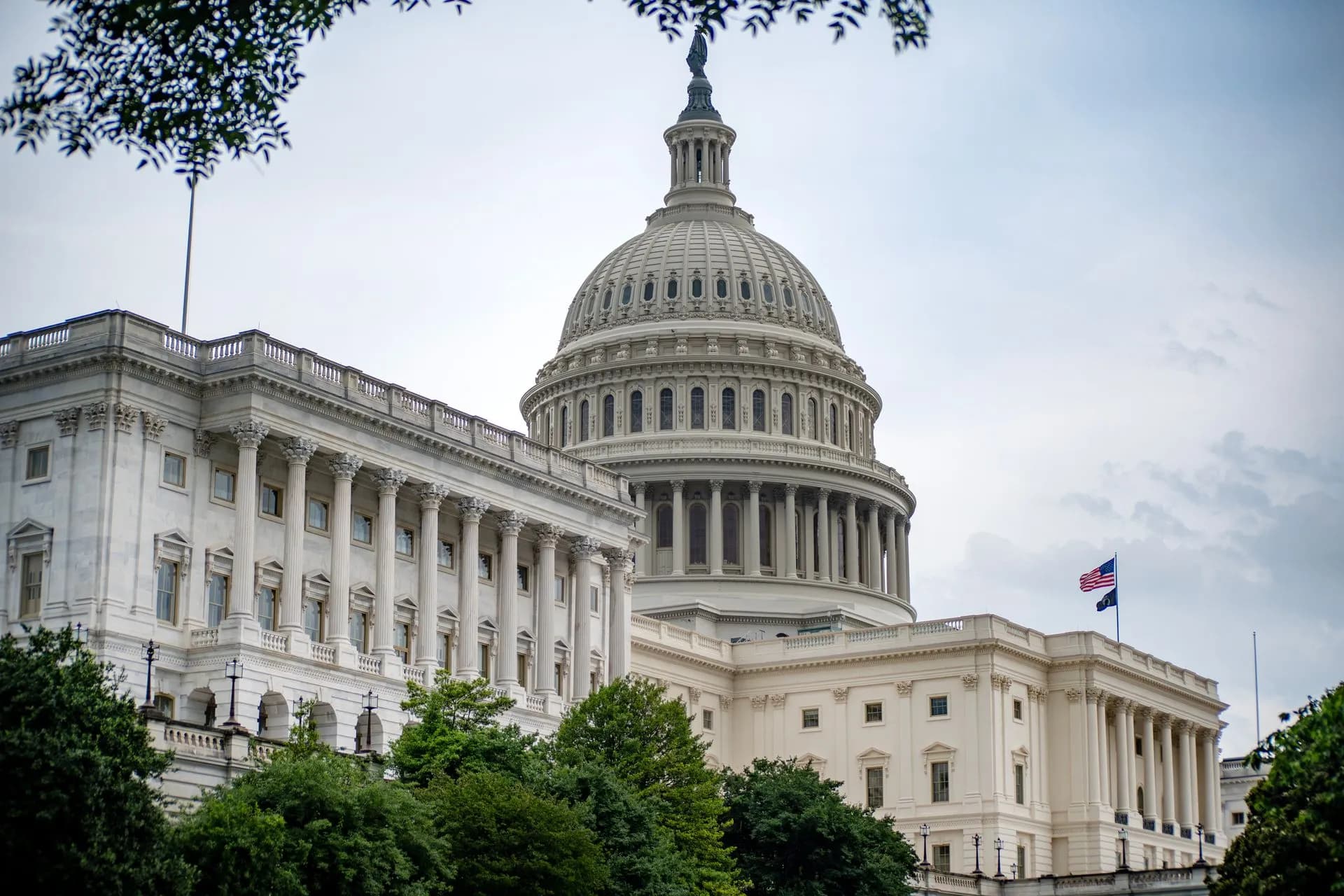
Sen. Maria Cantwell (D-Wash.), the top Democrat on the Senate Commerce, Science and Transportation Committee, released a six-point framework for regulating frontier AI on Wednesday, October 7, 2026. The Cantwell frontier AI framework calls for enforceable federal safety standards and independent testing of the most advanced AI models.
Under the plan, the National Institute of Standards and Technology (NIST) would set safety standards for frontier models in coordination with other agencies, according to The Denver Gazette and Roll Call. Frontier models are the most capable general-purpose AI systems built by the leading labs.
The Denver Gazette reported that the framework calls for rigorous independent audits before frontier models are released to the public. Roll Call described continuous testing by government and third parties, with audits to verify compliance, public disclosure of risks and mandatory reporting of safety incidents.
The framework also sets out risk-based standards for systems that could cause catastrophic harm, such as cyberattacks, biological or nuclear threats, or loss of human control, with specific guidance for open-source models, The Denver Gazette reported. Other points cover whistleblower protections for employees and contractors, protections for children and support for workers, and US-led international cooperation, including secure channels with China to deal with major AI incidents.
Cantwell said in her statement that managing advanced AI risks requires clear safety standards, continuous testing and reporting of serious failures, as quoted by The Denver Gazette.
The framework is not legislation. Roll Call noted that it contrasts with the White House and Republican emphasis on voluntary measures and self-regulation, and that Senate Majority Leader John Thune (R-S.D.) is developing separate AI legislation.
The numbers
- Points in the framework
- Six
- Date released
- October 7, 2026
Why CEOs should care
For AI vendors, the framework is an early look at the rules they could face if Democrats gain more power in Congress. Pre-release audits, incident reporting and NIST standards would add time and cost to model launches. Product and legal teams should map how their current testing and disclosure practices would hold up against independent audit requirements.
For enterprise buyers, the plan offers a checklist to use now, whatever happens in Congress. Ask vendors whether their frontier models were independently tested before release, how they report serious failures, and what they disclose about dangerous capabilities. Contracts can require notice of safety incidents even without a federal law.
For boards and general counsels, the whistleblower and incident-reporting provisions deserve attention. Companies that deploy AI in consequential decisions, such as hiring or lending, may face oversight requirements later. Keep records of model choices and human review now, so the company is ready if disclosure becomes mandatory.
The bigger picture
Washington remains split on AI. Roll Call reported that Commerce Chair Ted Cruz (R-Texas) has argued for independent judges in AI safety and for federal standards to address a patchwork of state laws, while the White House has leaned on voluntary commitments from companies.
Cantwell's plan gives Democrats a ready blueprint. Roll Call and The Denver Gazette both noted it could become a tool if Democrats win control of the Senate in the midterm elections, which would put Cantwell in line to chair the Commerce Committee.
What’s next
Watch whether any Republicans endorse parts of the framework, such as NIST standards, which Cantwell previously backed in a bill with Sen. Todd Young (R-Ind.), and whether Thune's separate AI bill adopts testing or incident-reporting requirements.
What “Fact-checked” means
Fact-checking means testing a story’s facts against the evidence before it is published. This story went through at least two separate checks before this version was published.
- What we checked
- Its names, figures, dates, job titles, quotes and who said what were checked against the story’s sources, including its main source where it could be opened. The headline was checked for accuracy and overstatement.
- How
- A first check reviewed the whole story. If it passed, a second, skeptical check went back to the sources to look for mistakes in the most important facts. If a check flagged the story, it was edited to fix the problems found, and a separate re-check then reviewed the whole story again.
- Who
- The checks are made by our newsroom, as steps kept separate from the writing, under rules set by our editor, Hussein Mukhtar. A story the checks still flag is held for the editor, who decides whether it is fixed, published or dropped.
- If something is wrong
- “Fact-checked” does not mean error-free. If a material error is found after publication, we correct the story and add a note saying what changed. Report an error