The news
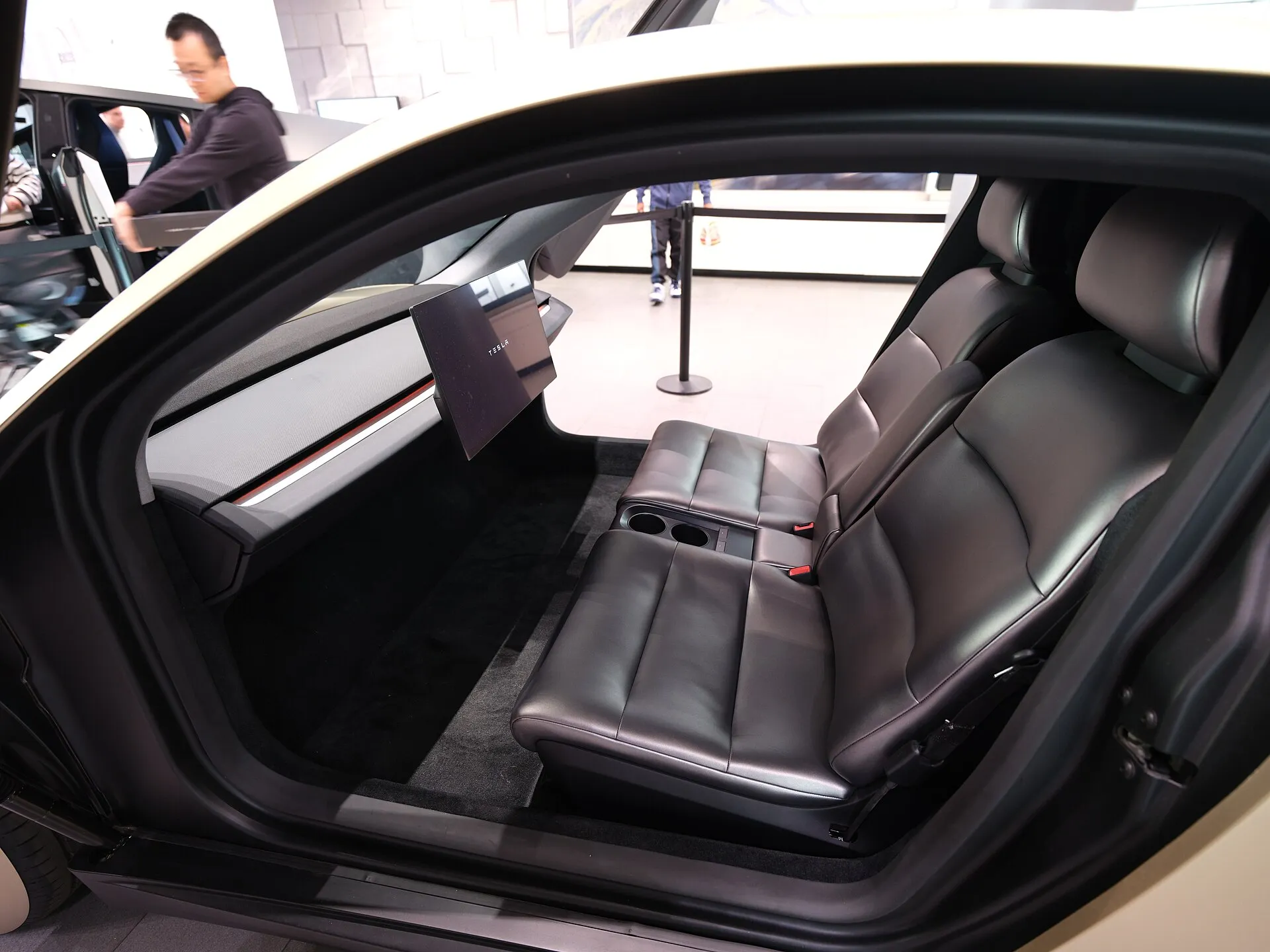
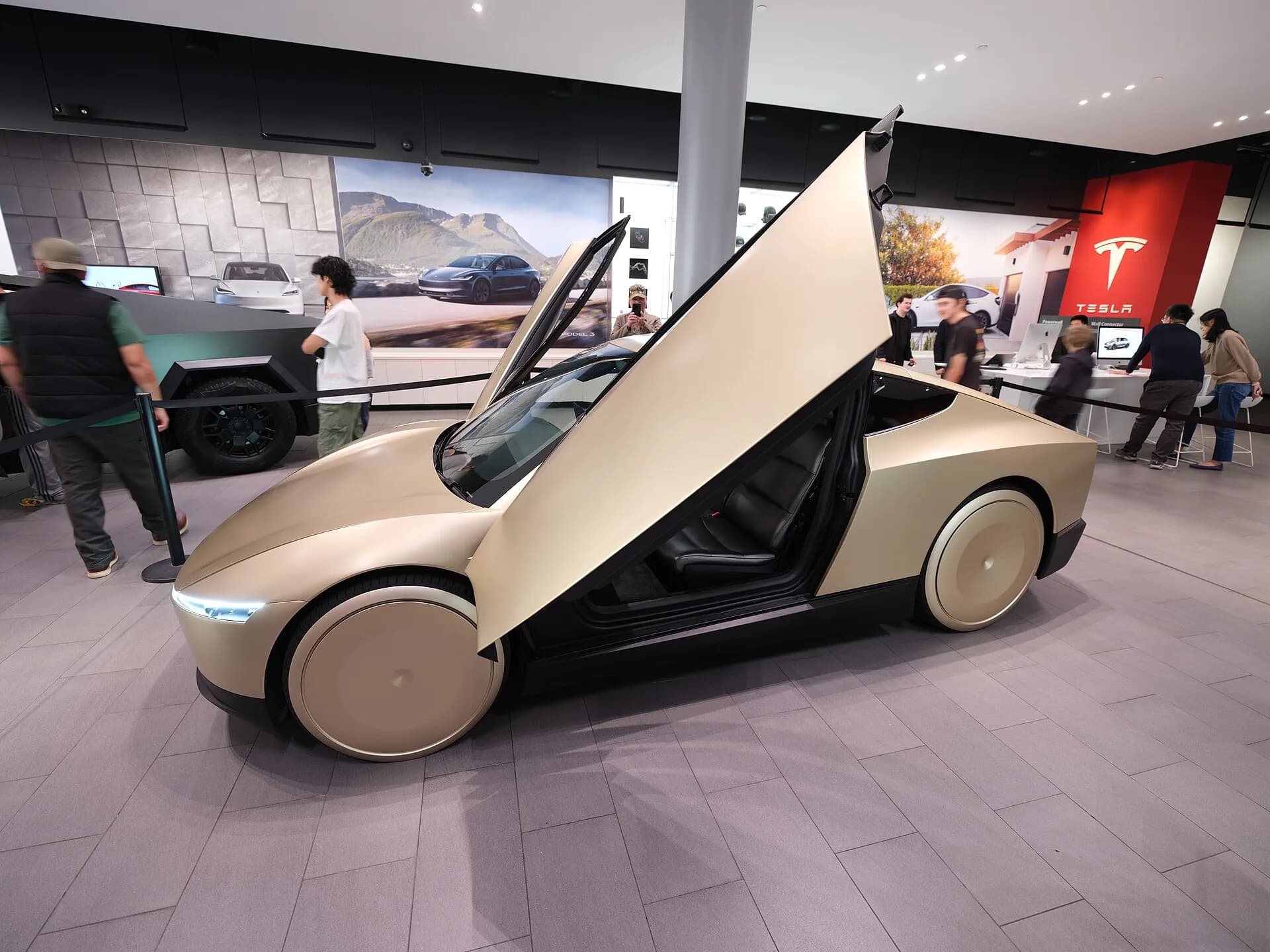
The Tesla Cybercab launch began on September 3, 2026, when Tesla (TSLA) said it was offering rides in limited areas of Austin, Texas, in its two-seat robotaxi with no steering wheel or pedals. Elon Musk has called the car key to Tesla's driverless ambitions.
Tesla held an invitation-only launch event at the ACL Live venue in Austin that evening, the Austin American-Statesman reported. In a record opened the same day, the National Highway Traffic Safety Administration (NHTSA) said Tesla began commercial deployment with a small number of Cybercabs in Austin and told the agency it plans to expand gradually to more vehicles and locations.
Tesla also notified NHTSA that it had certified the Cybercab as compliant with all applicable Federal Motor Vehicle Safety Standards (FMVSS), the federal rules every new car must meet, according to the agency's record. The car lacks a brake pedal, accelerator, steering wheel and mirrors.
Reuters reported that Tesla updated its robotaxi website on September 3 to say Cybercab rides were available only in some parts of Austin, without saying whether it would charge fares or whether any app user could book one. In a promotional video on X, Musk called the Cybercab "the first car that is specifically built for unsupervised full self-driving," according to Reuters.
The launch starts small. Texas records showed Tesla had 420 autonomous vehicles registered in the state as of the evening of September 2, including 45 Cybercabs, Reuters reported, while Alphabet's Waymo had 988. Tesla has said Cybercab production began in April 2026, and Musk warned that month that early output would be very slow, according to Reuters.
Ahead of the event, Tesla posted an interest form on its website for businesses, TechCrunch reported. It asks whether respondents are interested in Cybercab fleet vehicle purchasing, mobility hubs and infrastructure, or event collaboration. TechCrunch described the gold Cybercab as smaller and lighter than other Tesla models, with a lower-capacity battery pack, designed to keep costs down.
The numbers
- Tesla autonomous vehicles registered in Texas (as of September 2)
- 420
- Cybercabs among them
- 45
- Waymo vehicles registered in Texas
- 988
- Seats in the Cybercab
- 2
- Tesla market value cited by Reuters
- $1.4 trillion
Why CEOs should care
For corporate travel managers, venue owners and fleet operators, the interest form is the practical news. Tesla is inviting businesses to talk about buying Cybercab fleets or hosting mobility hubs. Before any commitment, ask Tesla where the car is legally allowed to carry paying riders, how many vehicles it can deliver and when, who handles remote assistance and cleaning, and who carries liability after a crash. Reuters noted that federal rules limit how many vehicles without a steering wheel and pedals a manufacturer can sell.
For CFOs and boards, the launch is a milestone but a small one: 45 registered Cybercabs against 988 Waymo vehicles in Texas, per Reuters. Reuters also reported that analysts see driverless cars as central to Tesla's $1.4 trillion market value, and that Musk's July 2025 forecast of robotaxi coverage for half the US population by the end of 2025 did not come true. Any plan that depends on Tesla robotaxi capacity, whether as a supplier, partner or customer, should be modeled with slower timelines as a base case.
For CISOs at companies that might run these fleets, a car with no manual controls relies on software and sensors for every driving decision. The questions to ask are how over-the-air updates are signed and tested, how remote operators authenticate, and what happens to a car and its riders if connectivity drops.
The bigger picture
Tesla has run a robotaxi service with Model Y cars since a June 2025 pilot in Austin, some with human safety monitors on board, and has expanded it to a handful of cities in Texas and Florida, Reuters reported. TechCrunch reported that Waymo had about 4,000 robotaxis on the road. The Cybercab is Tesla's bet that a cheaper, purpose-built car can close that gap on cost.
The regulatory route is the other test. Amazon's Zoox took the exemption path, receiving final approval in July 2026 for a temporary exemption from eight federal standards that lets it add up to 2,500 vehicles a year for two years, according to TechCrunch. Tesla chose to self-certify instead, and on September 3 an NHTSA spokesperson told Reuters the agency was in contact with Tesla and evaluating the situation.
What happened next
On September 4, Tesla opened Cybercab bookings to the public in Austin through its Robotaxi app, Not a Tesla App reported. The Austin American-Statesman found a 2.5-mile Cybercab trip that afternoon cost $12.15, against $7.96 on Uber, with waits of more than an hour by 4 p.m.
Also on September 4, NHTSA disclosed an audit query, AQ26002, into how Tesla certified the Cybercab. Electrek reported that on September 10 the agency issued a special order requiring Tesla to answer under oath by September 30, 2026. That response is the next deadline to watch.
What “Fact-checked” means
Fact-checking means testing a story’s facts against the evidence before it is published. This story went through at least two separate checks before this version was published.
- What we checked
- Its names, figures, dates, job titles, quotes and who said what were checked against the story’s sources, including its main source where it could be opened. The headline was checked for accuracy and overstatement.
- How
- A first check reviewed the whole story. If it passed, a second, skeptical check went back to the sources to look for mistakes in the most important facts. If a check flagged the story, it was edited to fix the problems found, and a separate re-check then reviewed the whole story again.
- Who
- The checks are made with our newsroom’s technology tools, as steps kept separate from the writing, under rules set by our editor, Hussein Mukhtar. A story the checks still flag is not published automatically; it is held for the editor, who decides whether it is fixed, published or dropped.
- Archive story
- It was written after the event. Its dates were checked against the date of the event, including the dates of any later developments it reports.
- If something is wrong
- “Fact-checked” does not mean error-free. If a material error is found after publication, we correct the story and add a note saying what changed. Report an error
Companies in this story