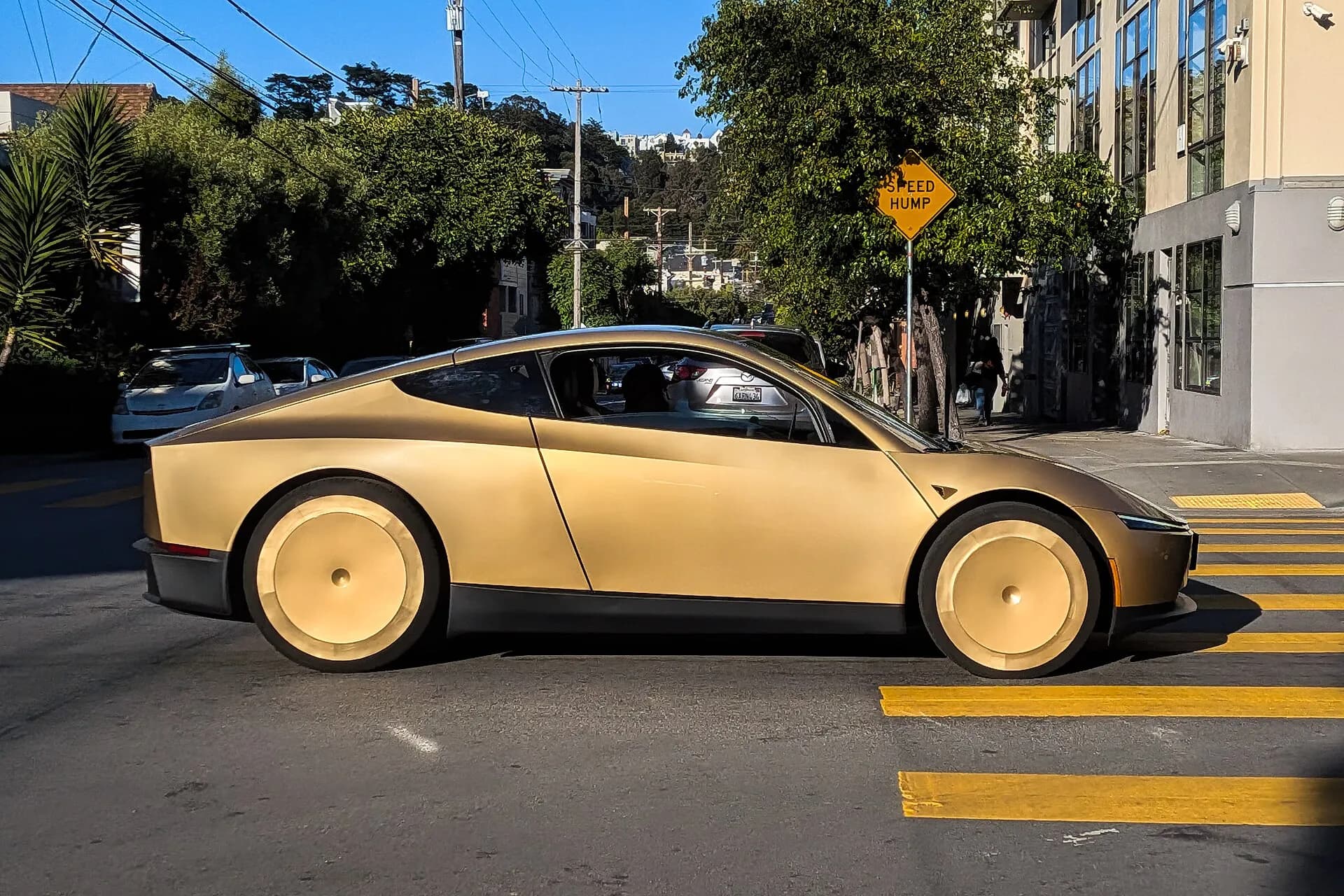
The news
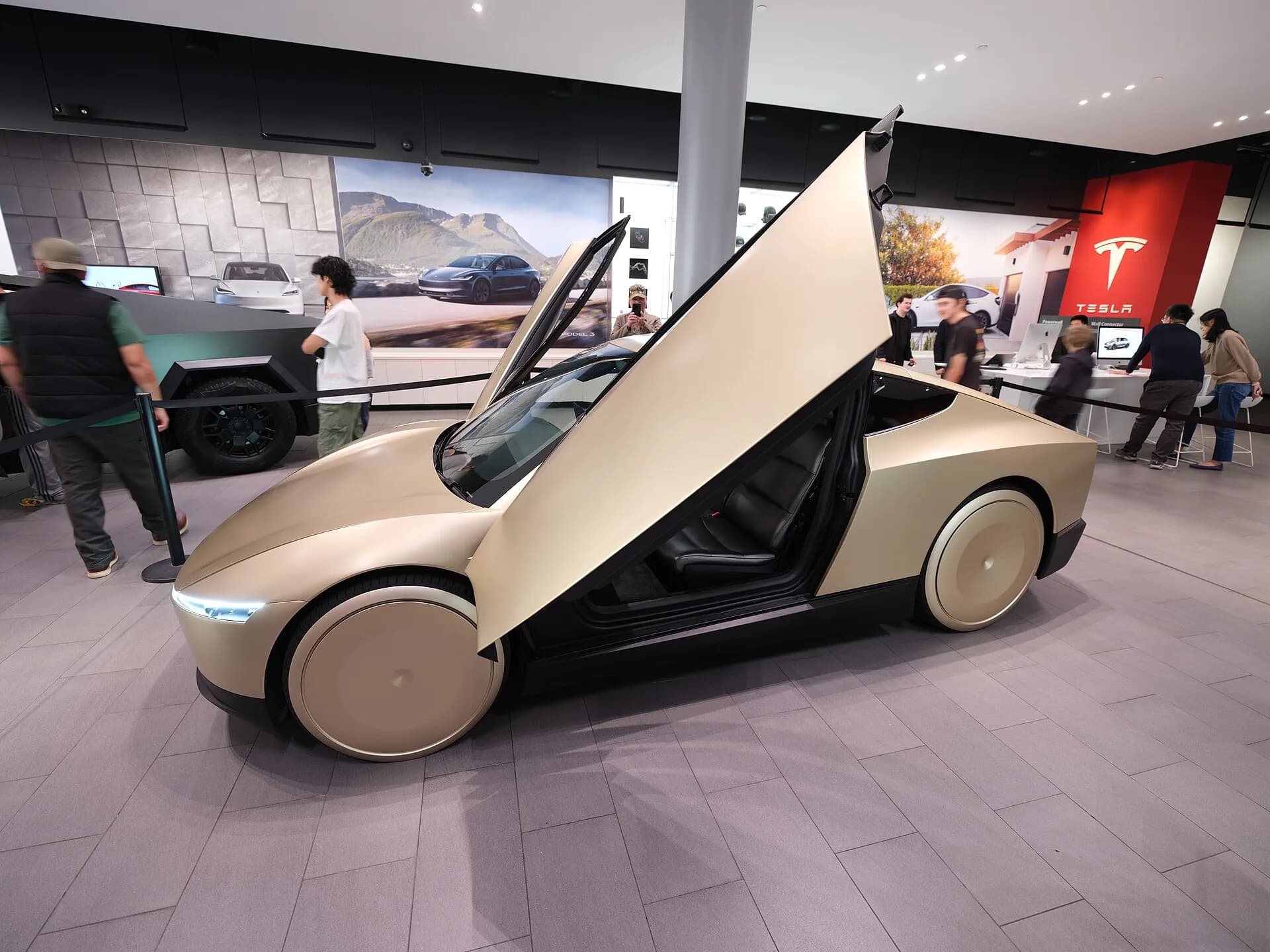
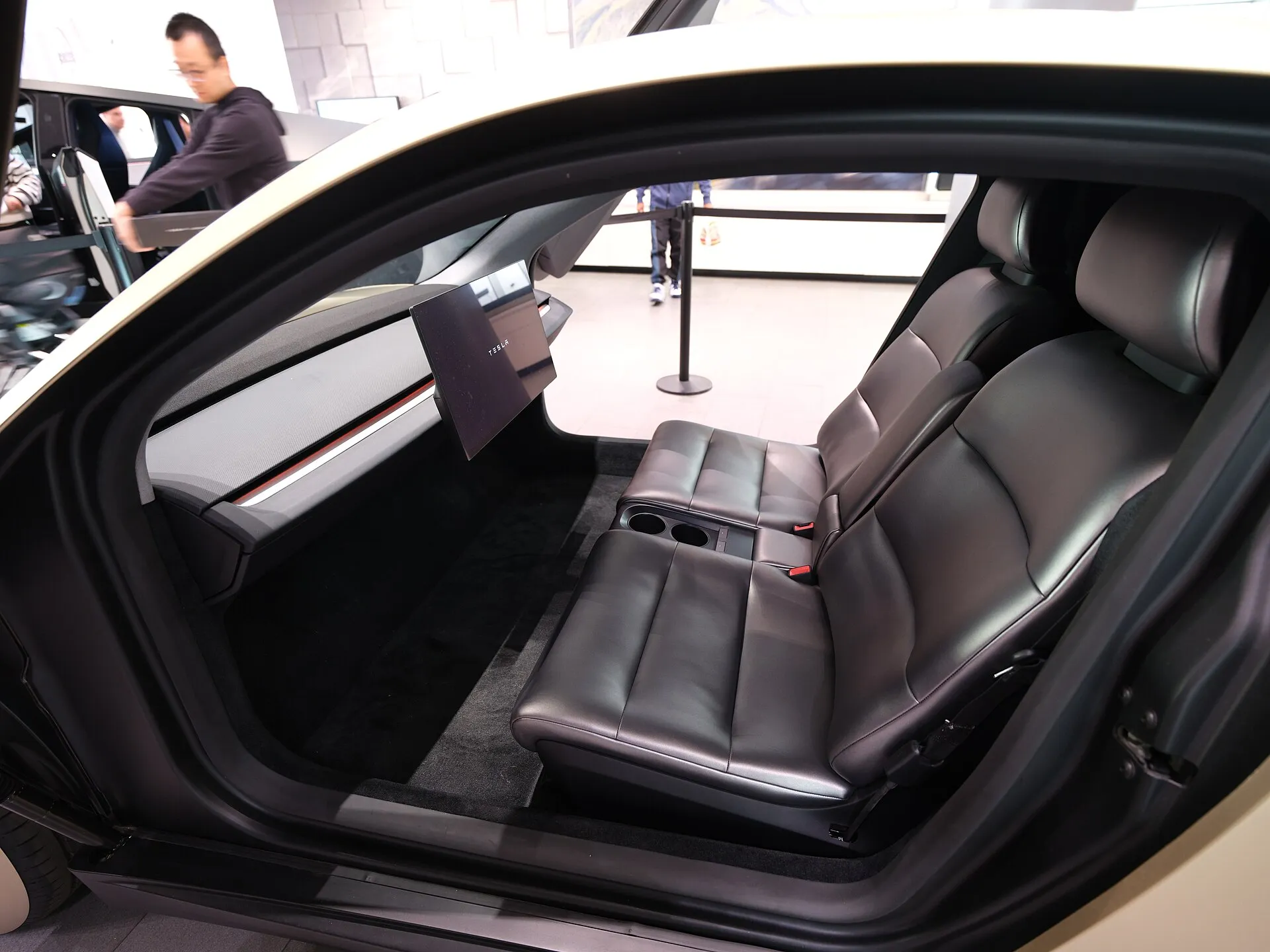
Tesla (TSLA) won approval on August 20, 2026, to run up to 5,000 driverless vehicles in the Las Vegas area, after the Nevada Transportation Authority (NTA) unanimously approved its Tesla Robotaxi application. The cap is five times what Waymo and Uber each received.
NTA commissioners considered the applications at a general session meeting on August 20, according to a Nevada Department of Business and Industry press release dated August 21. Tesla Robotaxi, LLC is authorized for up to 5,000 fully autonomous vehicles during the first 12 months after its permit is issued. Waymo LLC and Aviari Services, LLC, which the Las Vegas Sun identified as an Uber subsidiary, are each authorized for up to 1,000.
The permits cover paid rides in Clark County. The approved area includes Harry Reid International Airport, but the companies cannot serve it without separate authorization from the Clark County Department of Aviation. Operators must begin service within 120 days after permits are issued, submit rates to the NTA before offering rides to the public, keep required insurance, report crashes and give first responders a 24-hour emergency contact.
Uber (UBER) will operate its allotment through partnerships with Hyundai subsidiary Motional and Zoox, TechCrunch reported. Zoox already holds a separate permit that allows it to operate 100 robotaxis, according to TechCrunch, and began paid service in Las Vegas on August 10, according to the Las Vegas Sun.
Tesla's Nevada footprint had been small. The company applied on June 5 for a temporary permit covering 5,000 vehicles, and the NTA initially limited it to 10 vehicles in an approved Strip corridor with a 45 mph cap, the Las Vegas Sun reported. Eric Early, Tesla's Cybercab chief engineer, said "the 5,000 has always been a ceiling for us" and that Tesla would be satisfied reaching about 2,500 vehicles in the next year, according to TechCrunch.
Taxi companies opposed the expansion. Nevada Yellow Cab Corp., Nevada Checker Cab Corp., Nevada Star Cab Corp. and others petitioned the NTA in July, arguing that granting Tesla's request would overhaul how Nevada regulates taxis and other paid rides, the Las Vegas Sun reported. TechCrunch reported that local operators warned of oversaturation and congestion in the area known as the Golden Triangle.
The numbers
- Tesla fleet cap, first 12 months
- Up to 5,000 fully autonomous vehicles
- Waymo fleet cap
- Up to 1,000
- Aviari Services (Uber) fleet cap
- Up to 1,000
- Deadline to start operations
- 120 days after permit issuance
- Tesla's earlier interim limit
- 10 vehicles, Strip corridor, 45 mph cap (Las Vegas Sun)
- Fleet Tesla engineer called a good first-year result
- About 2,500 (TechCrunch)
Why CEOs should care
For businesses that move people around Las Vegas, including resorts, convention organizers and corporate travel managers, the approvals mean the city could soon have several competing paid robotaxi services. Ground transportation contracts and event logistics plans should account for them, with one caveat: airport pickups need separate approval from the Clark County Department of Aviation, and the NTA release sets no timeline for it, so planners should not assume airport trips will be available when service starts.
For CFOs and procurement teams, the rate filing rule is worth watching. Operators must submit rates to the NTA before offering service, though the release does not say whether those filings will be made public; if they are, early pricing could be compared with conventional ride-hailing and car service costs. Teams should ask whether volume or corporate accounts will be offered and how service levels are guaranteed during peak convention periods.
For boards, risk officers and legal teams, treat the 5,000 figure as a regulatory ceiling, not a deployment plan; Tesla's own engineer suggested about half. Companies that put employees or clients in driverless vehicles should review duty-of-care policies and insurance coverage, and ask operators how crash reports required by the NTA will be shared.
The bigger picture
The approvals set up Las Vegas as a market where several robotaxi operators could compete directly for paying riders. Tesla said in July that its robotaxi service was live in seven major US metro areas, and its Nevada ceiling is the largest of the three approved on August 20. Nevada Business and Industry Director Kristopher Sanchez said he supports the NTA's commitment to evaluate its framework and adjust it when appropriate as companies scale, keeping public safety central.
What happened next
As of September 24, The Charge Port's robotaxi tracker listed Tesla's Las Vegas service as permitted but not yet operating paid rides. The markers to watch are Tesla's rate filing with the NTA, its launch within the 120-day window after permit issuance, any airport authorization from Clark County, and how close the fleet gets to the 2,500 vehicles Early described.
What “Fact-checked” means
Fact-checking means testing a story’s facts against the evidence before it is published. This story went through at least two separate checks before this version was published.
- What we checked
- Its names, figures, dates, job titles, quotes and who said what were checked against the story’s sources, including its main source where it could be opened. The headline was checked for accuracy and overstatement.
- How
- A first check reviewed the whole story. If it passed, a second, skeptical check went back to the sources to look for mistakes in the most important facts. If a check flagged the story, it was edited to fix the problems found, and a separate re-check then reviewed the whole story again.
- Who
- The checks are made with our newsroom’s technology tools, as steps kept separate from the writing, under rules set by our editor, Hussein Mukhtar. A story the checks still flag is not published automatically; it is held for the editor, who decides whether it is fixed, published or dropped.
- Archive story
- It was written after the event. Its dates were checked against the date of the event, including the dates of any later developments it reports.
- If something is wrong
- “Fact-checked” does not mean error-free. If a material error is found after publication, we correct the story and add a note saying what changed. Report an error
Companies in this story