The news
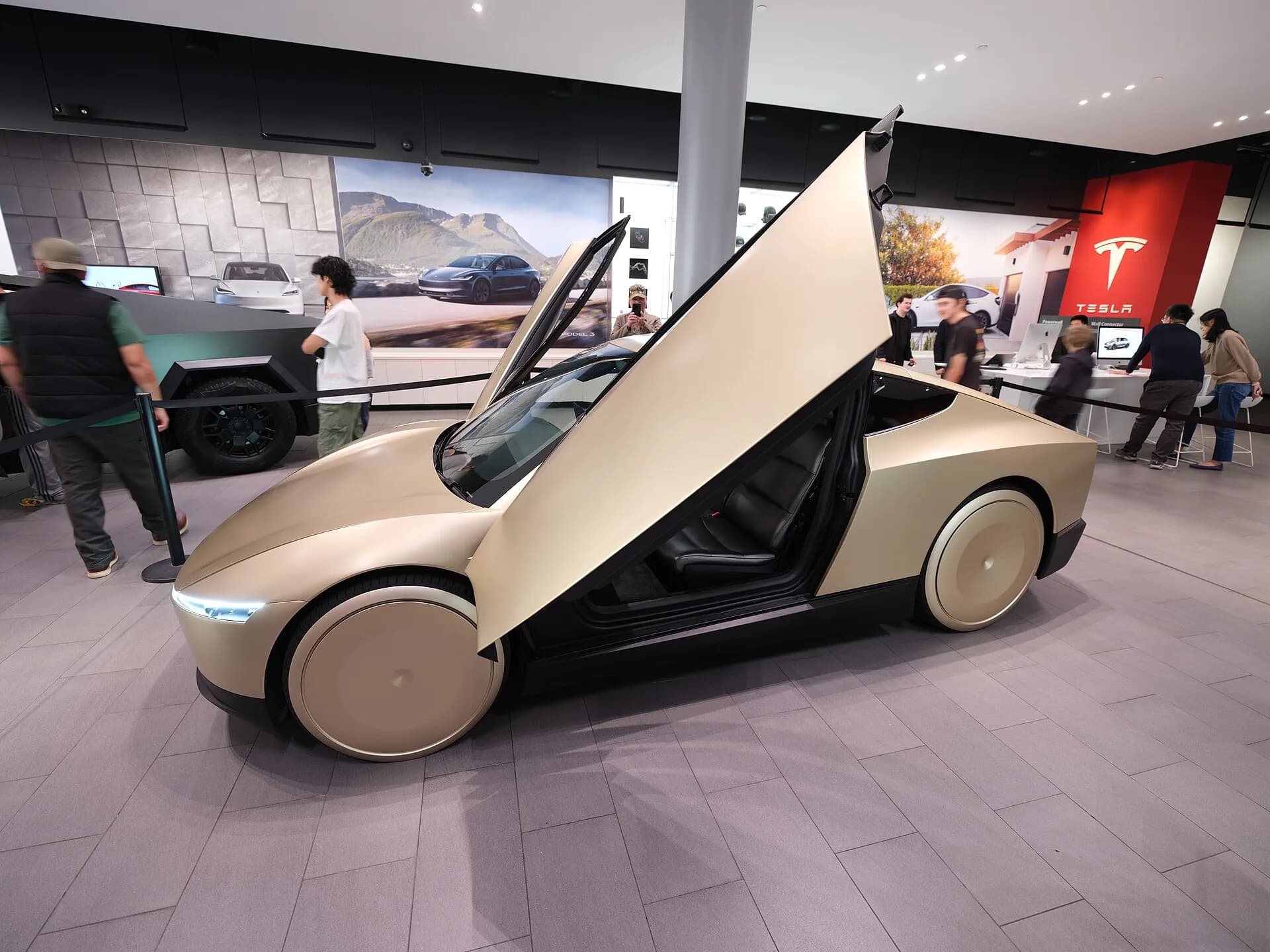
The Tesla Cybercab audit opened on September 3, 2026, when the National Highway Traffic Safety Administration (NHTSA) began examining how Tesla (TSLA) certified its two-seat robotaxi as meeting federal safety standards. It opened the same day Tesla began commercial Cybercab service in Austin, Texas.
The review, audit query AQ26002, covers an estimated 1,000 Cybercabs, according to the agency's investigation record. The record says Tesla notified NHTSA that it had certified the cars as compliant with all applicable Federal Motor Vehicle Safety Standards (FMVSS), the rules every new vehicle sold in the US must meet, and that it plans to expand to more vehicles and locations gradually.
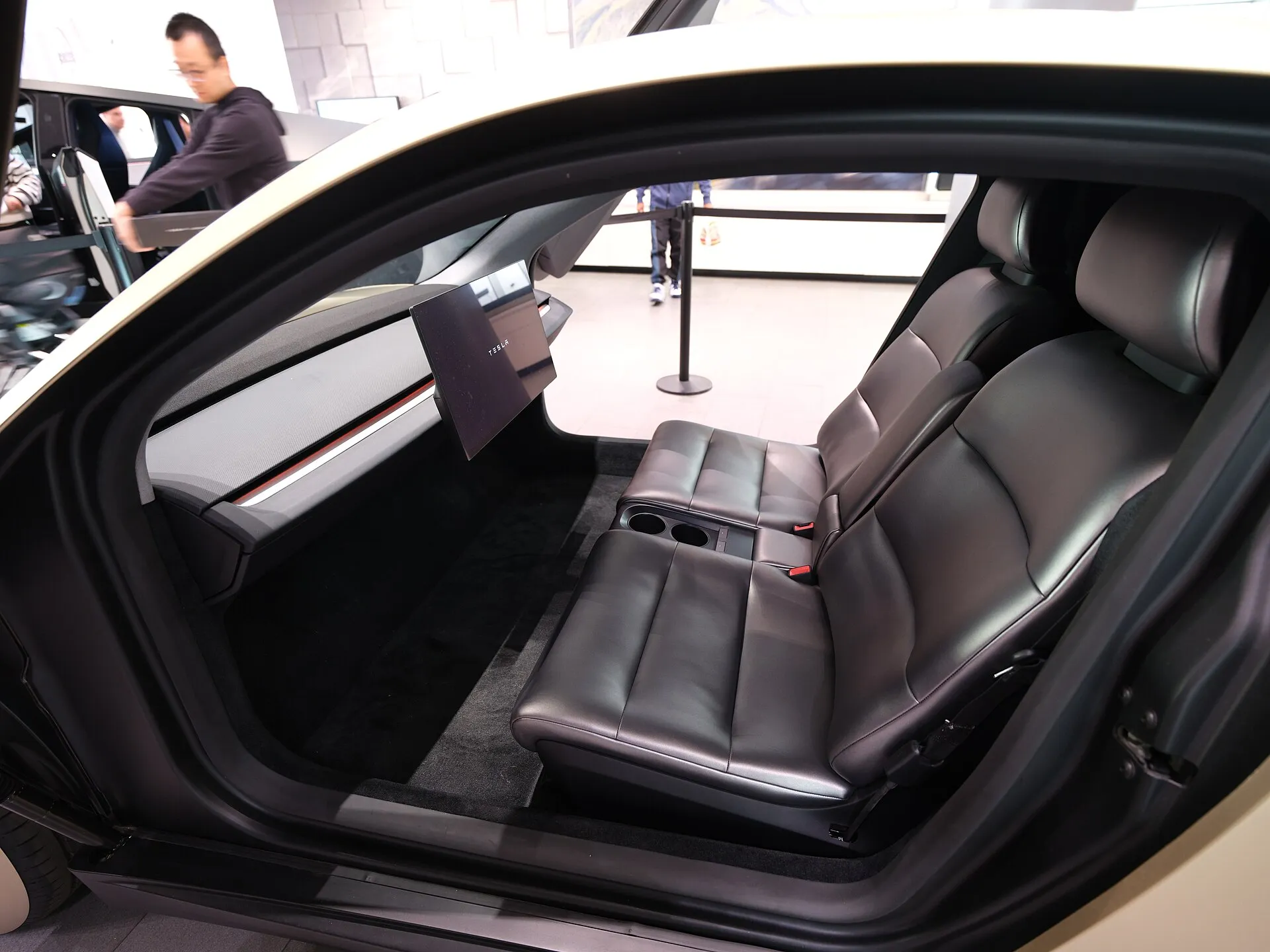
The Cybercab has no permanently attached brake pedal, accelerator, steering wheel or mirrors, NHTSA noted. The agency said it will examine the process and technical data behind Tesla's certification, including how far it depended on Tesla's view that certain standards do not apply to the car.
GoodCarBadCar described an audit query as a check on whether the compliance paperwork holds up, unlike a defect investigation, which looks at whether cars already in service are dangerous. In the US, automakers certify their own vehicles; federal law bars a company from issuing a certification it has reason to know is false or misleading in a material respect.
TechCrunch reported that NHTSA made the audit public on the morning of September 4. Administrator Jonathan Morrison said the agency supports the safe deployment of automated vehicles, but "we need to ensure that all of our laws are followed," according to TechCrunch. A day earlier, an NHTSA spokesperson had told Reuters the agency was in contact with Tesla and evaluating the situation.
Tesla took a different path from Amazon's Zoox, which received final approval in July 2026 for a temporary exemption, under a rule known as Part 555, from eight federal standards. That exemption lets Zoox add up to 2,500 vehicles a year to its commercial fleet for two years, TechCrunch reported.
The numbers
- Audit query number
- AQ26002
- Cybercabs covered (NHTSA estimate)
- 1,000
- Zoox exemption cap
- 2,500 vehicles a year for two years
- Requests in NHTSA's September 10 special order
- 21
- Maximum civil penalty for failing to respond (special order)
- $139,356,994
- Tesla's sworn response deadline
- September 30, 2026
Why CEOs should care
For businesses weighing Cybercab fleets, mobility hubs or rides for staff, the legal status of the car is now an open question, not a settled one. Before signing anything, ask Tesla for its certification basis in writing, what happens to the vehicles and the contract if NHTSA disagrees with it, and who bears the cost of any retrofit, recall or pause in service.
For CFOs and boards at autonomous-vehicle companies and their partners, the audit puts a price on the choice between speed and certainty. Zoox's exemption comes with a volume cap but a clear legal footing. Tesla's route avoids an exemption cap if its certification holds, but the regulator is now testing it. Boards should know which route their own program or partner uses, and what the contingency plan is if the answer changes.
For general counsels and compliance chiefs, the lesson reaches beyond cars. Self-certification regimes put the burden of proof on the company, and a regulator can ask for the technical data behind any claim that a rule does not apply. Keep that data organized and current before someone asks for it.
The bigger picture
US vehicle standards were written for cars with human drivers. TechCrunch reported that the Department of Transportation has proposed removing brake pedal requirements for autonomous vehicles, while NHTSA has said existing standards remain in force until updates are finished. GoodCarBadCar counted eight rulemakings in progress, covering items such as brake pedals, windshield wipers, lighting and mirrors.
That gap is why the audit matters beyond Tesla. Its outcome could signal whether a manufacturer can put a car with no manual controls on public roads by self-certifying, or whether it first needs an exemption, as Zoox obtained.
What happened next
On September 10, NHTSA Chief Counsel Peter Simshauser signed a special order with 21 requests, including how the Cybercab meets FMVSS No. 135's requirement that service brakes be activated by a foot control, whether temporary human controls were part of the certification basis, and how the car complies without a Part 555 exemption. Tesla must answer by September 30, 2026, with an affidavit from a responsible officer. Failing to respond fully or truthfully can bring civil penalties of up to $27,874 a day, capped at $139,356,994, the order states.
On September 16, Teslarati reported that Tesla had not said publicly how it planned to respond and that the Cybercab was still carrying passengers in Austin. Tesla's sworn answer, due September 30, is the next milestone.
What “Fact-checked” means
Fact-checking means testing a story’s facts against the evidence before it is published. This story went through at least two separate checks before this version was published.
- What we checked
- Its names, figures, dates, job titles, quotes and who said what were checked against the story’s sources, including its main source where it could be opened. The headline was checked for accuracy and overstatement.
- How
- A first check reviewed the whole story. If it passed, a second, skeptical check went back to the sources to look for mistakes in the most important facts. If a check flagged the story, it was edited to fix the problems found, and a separate re-check then reviewed the whole story again.
- Who
- The checks are made with our newsroom’s technology tools, as steps kept separate from the writing, under rules set by our editor, Hussein Mukhtar. A story the checks still flag is not published automatically; it is held for the editor, who decides whether it is fixed, published or dropped.
- Archive story
- It was written after the event. Its dates were checked against the date of the event, including the dates of any later developments it reports.
- If something is wrong
- “Fact-checked” does not mean error-free. If a material error is found after publication, we correct the story and add a note saying what changed. Report an error
Companies in this story