The news
New Tesla credit lines worth $30 billion, led by a $20 billion Citibank term loan, were signed on September 29, 2026, a Securities and Exchange Commission (SEC) filing shows. Tesla (TSLA) said it does not currently plan to draw on them in 2026.
The package has three parts, all senior unsecured, meaning they are not backed by specific assets. The largest is a $20.0 billion three-year delayed-draw term loan, which lets Tesla borrow in stages rather than all at once, with Citibank, N.A. as administrative agent for a group of lenders. The other two are revolving credit facilities, which work like a corporate credit card that can be drawn, repaid and drawn again: $8.0 billion over five years and $2.0 billion over 364 days, both with Wells Fargo Bank as administrative agent.
The term loan comes with a use-it-or-lose-it clock. Tesla can draw on it no more than ten times over 18 months; undrawn commitments shrink to $10.0 billion on the first anniversary and to $5.0 billion at 15 months, and anything left ends at 18 months. Loans taken mature on September 29, 2029. The five-year revolver, due September 29, 2031, can be drawn in dollars, pounds or euros and includes up to $500 million of letters of credit. The 364-day line is due September 28, 2027, and Tesla can ask lenders to add up to $4.0 billion across the two revolvers.
Borrowings carry variable rates based on Term SOFR, a benchmark interest rate, or an alternate base rate, plus a margin tied to Tesla's credit rating. Tesla pays fees on the unused commitments and must keep at least $5.0 billion of consolidated liquidity. The filing says proceeds may be used for general corporate purposes, and no loans were outstanding as of September 29.
The new lines replace a $5.0 billion revolving credit agreement from January 2023, with Citi as agent, that was due to mature in January 2028. Tesla said it had no borrowings under that facility and paid no early termination penalties.
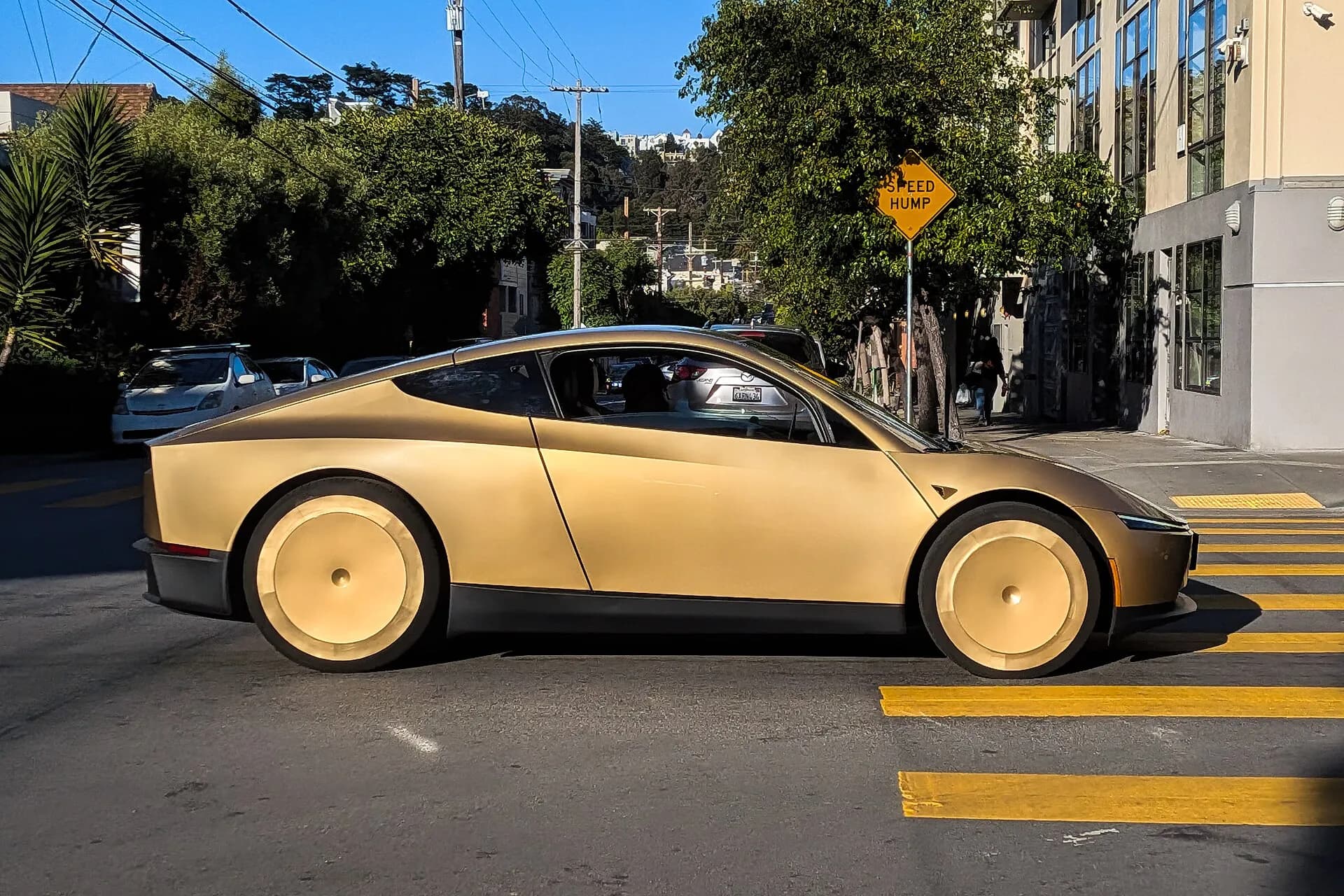
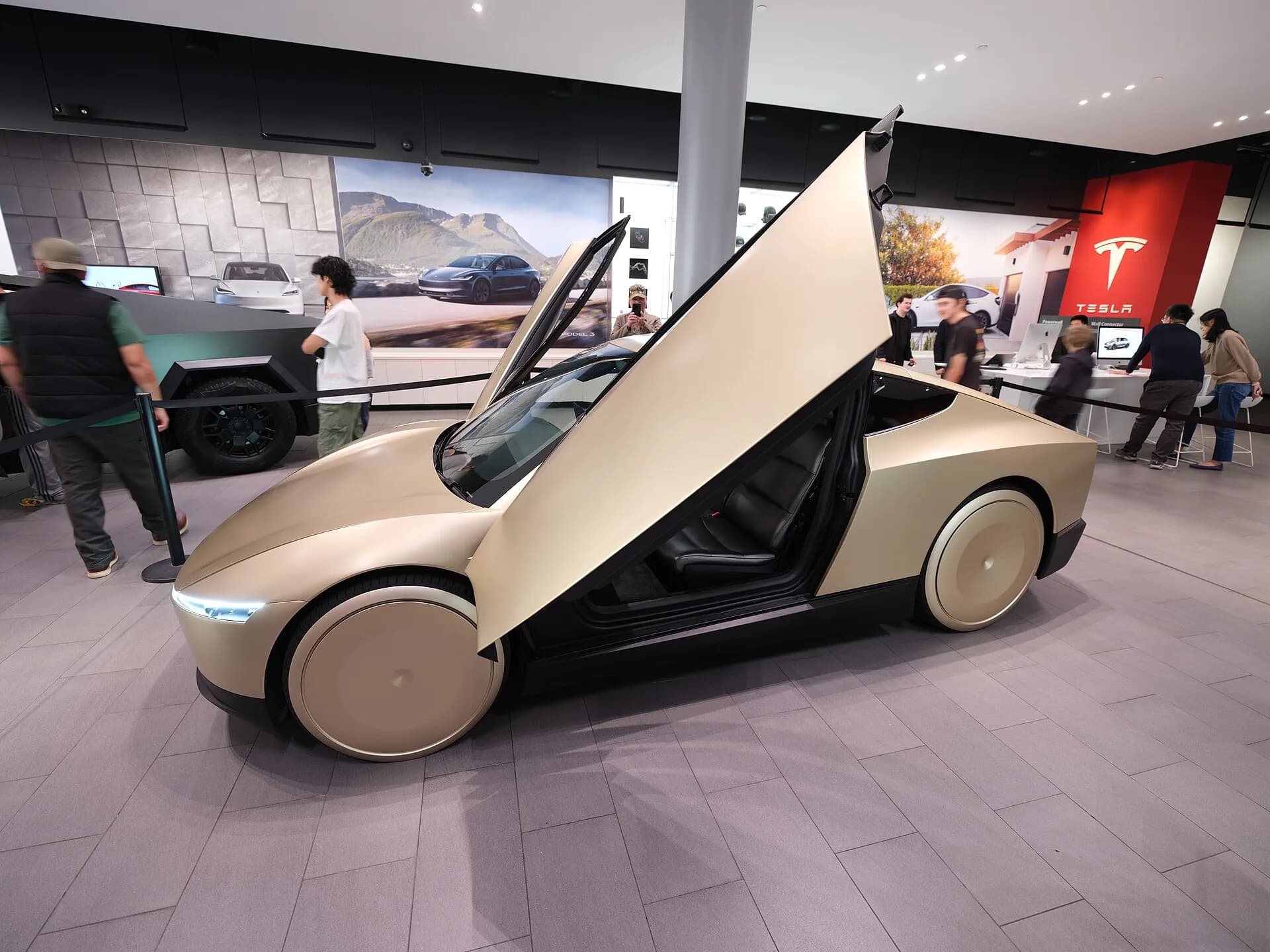
TechCrunch, which reported the filing, said the money could help Tesla scale its newest products: the Cybercab robotaxi, the Optimus humanoid robot and the Tesla Semi truck. The outlet also reported that Tesla has projected at least $25 billion of capital spending for 2026.
The numbers
- Total new credit lines
- $30 billion
- Delayed-draw term loan (Citibank as agent)
- $20.0 billion, matures Sept. 29, 2029
- Revolving facilities (Wells Fargo as agent)
- $8.0 billion five-year; $2.0 billion 364-day
- Minimum liquidity Tesla must maintain
- $5.0 billion
- Q2 2026 capital expenditures
- $5.79 billion, up 142% year over year
- Cash, equivalents and short-term investments, June 30, 2026
- $43.52 billion
Why CEOs should care
For CFOs, the structure is the lesson. Tesla is paying commitment and ticking fees to hold $30 billion it says it does not currently plan to use in 2026, which makes the package look like insurance for a spending surge rather than an immediate funding need. Companies facing their own multiyear build-outs should ask when to lock in committed bank lines: while the balance sheet is strong, not after cash has been drawn down.
Suppliers and partners tied to Cybercab, Optimus or the Semi should read the filing as a sign that Tesla wants deep backing for its capital plans. The step-down schedule on the term loan also sets dates to watch. If Tesla draws before the first anniversary on September 29, 2027, that will show how fast spending is running ahead of operating cash flow.
Boards can borrow a question from this deal: if capital spending doubled next year, how many quarters of runway would the company have, and which covenants would tighten first? Tesla's own agreements set a $5.0 billion liquidity floor, a useful benchmark for how lenders think about a minimum cushion.
The bigger picture
Tesla's second-quarter update, filed on July 22, showed capital expenditures of $5.79 billion, up 142% from a year earlier, and free cash flow of negative $1.09 billion. Tesla ended June with $43.52 billion in cash, cash equivalents and short-term investments, against $9.06 billion of non-recourse debt and $2 million of recourse debt. The company called this its "largest and most exciting period of investment."
That update said Cybercab production had begun at Gigafactory Texas, the Semi remained on track for production in 2026 at a new Nevada factory, and first-generation Optimus lines were being installed in anticipation of production in 2026. TechCrunch noted that all three new products have required new manufacturing lines, with dedicated factories for the Semi and Optimus, which helps explain why Tesla wants standby credit on top of its cash.
What’s next
Tesla said the full credit agreements will be filed as exhibits to its Form 10-Q for the quarter ending September 30, 2026, which will show the lender groups and pricing grids in detail. The same report will show whether third-quarter capital spending kept pace with the second quarter's jump. After that, the dates to watch are the term loan's step-downs, starting on September 29, 2027.
What “Fact-checked” means
Fact-checking means testing a story’s facts against the evidence before it is published. This story went through at least two separate checks before this version was published.
- What we checked
- Its names, figures, dates, job titles, quotes and who said what were checked against the story’s sources, including its main source where it could be opened. The headline was checked for accuracy and overstatement.
- How
- A first check reviewed the whole story. If it passed, a second, skeptical check went back to the sources to look for mistakes in the most important facts. If a check flagged the story, it was edited to fix the problems found, and a separate re-check then reviewed the whole story again.
- Who
- The checks are made by our newsroom, as steps kept separate from the writing, under rules set by our editor, Hussein Mukhtar. A story the checks still flag is held for the editor, who decides whether it is fixed, published or dropped.
- If something is wrong
- “Fact-checked” does not mean error-free. If a material error is found after publication, we correct the story and add a note saying what changed. Report an error
Companies in this story