The news
Tesla (TSLA) and SpaceX said on August 6, 2026, that Terafab, the AI chip factory they are developing together, will be built in Grimes County, Texas, with an initial $16.8 billion investment. The Terafab chip factory would supply Tesla's robots and robotaxis.
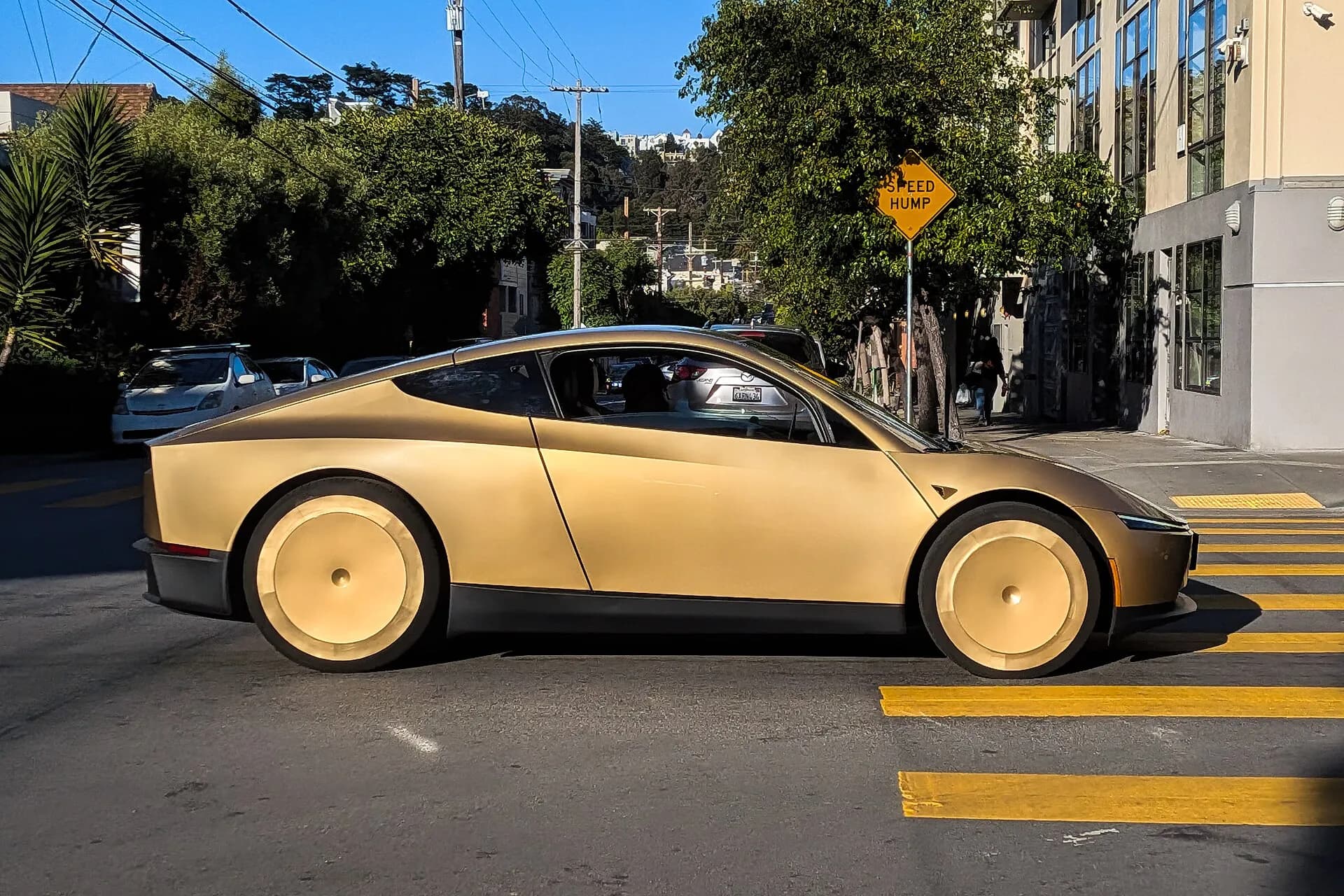
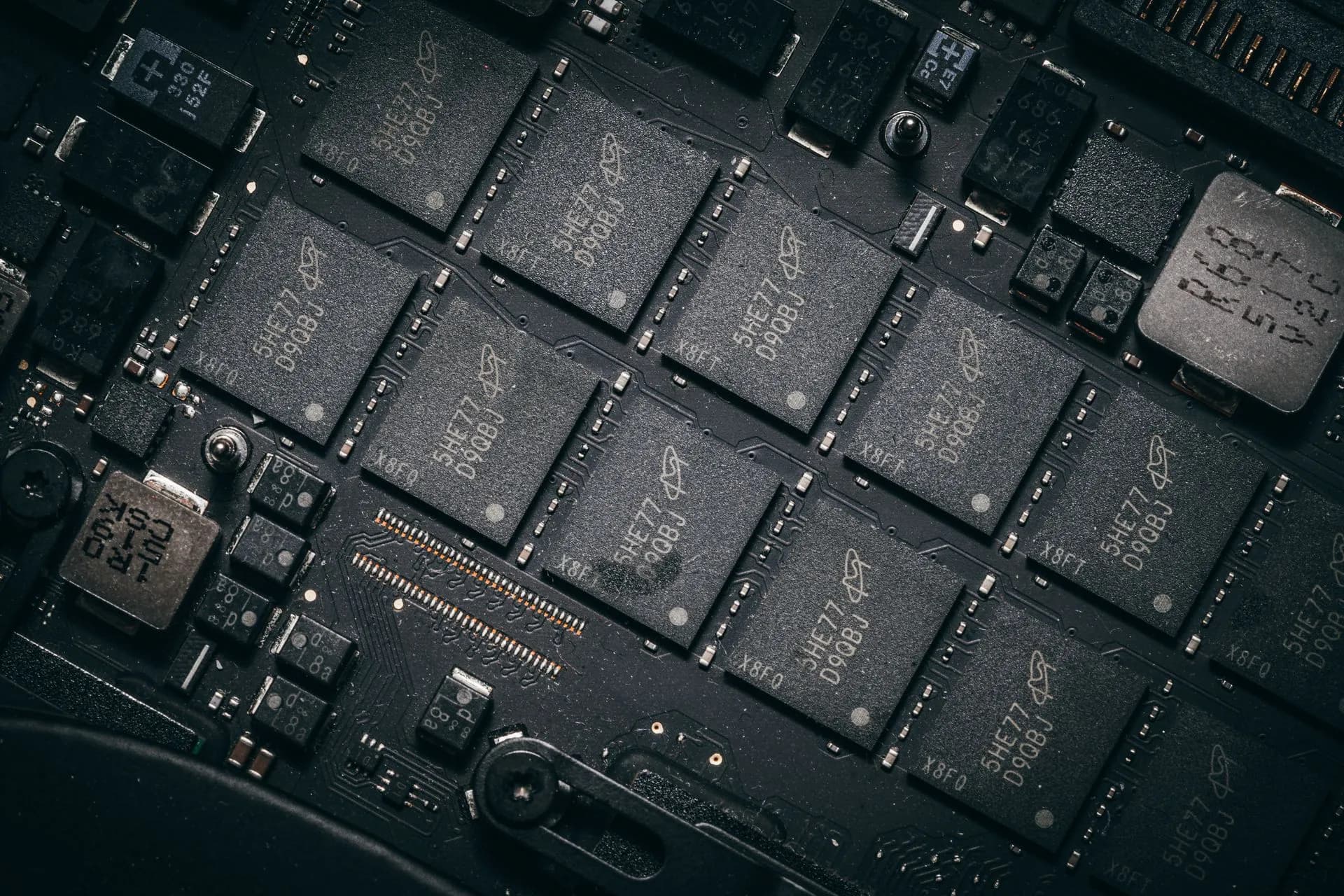
According to TechCrunch, the plant's output would serve both companies: inference chips, which run already-trained AI models on the device itself, for Tesla's Optimus humanoid robots and Cybercab robotaxis, and more powerful processors for the data centers SpaceX plans to operate in space. The companies said the site, outside Houston, will employ at least 3,000 people from Grimes and nearby Brazos County, according to TechCrunch.
The office of Texas Governor Greg Abbott described the investment as SpaceX's. It said SpaceX is investing more than $16.8 billion in the first phase of a vertically integrated fab spanning 100 million square feet, where logic and memory chips would be made and packaged in a single facility. The state extended a $30 million Texas Enterprise Fund grant to SpaceX, and the project qualifies for the Texas Jobs, Energy, Technology, and Innovation program. None of the announcements reviewed by Tech CEO Daily said how the $16.8 billion would be split between the two companies.
Tesla explained its reasoning on X, saying both companies will need "far more chips than current & future global production can supply," according to Electrek, which reported the project targets more than 1 terawatt of computing capacity a year.
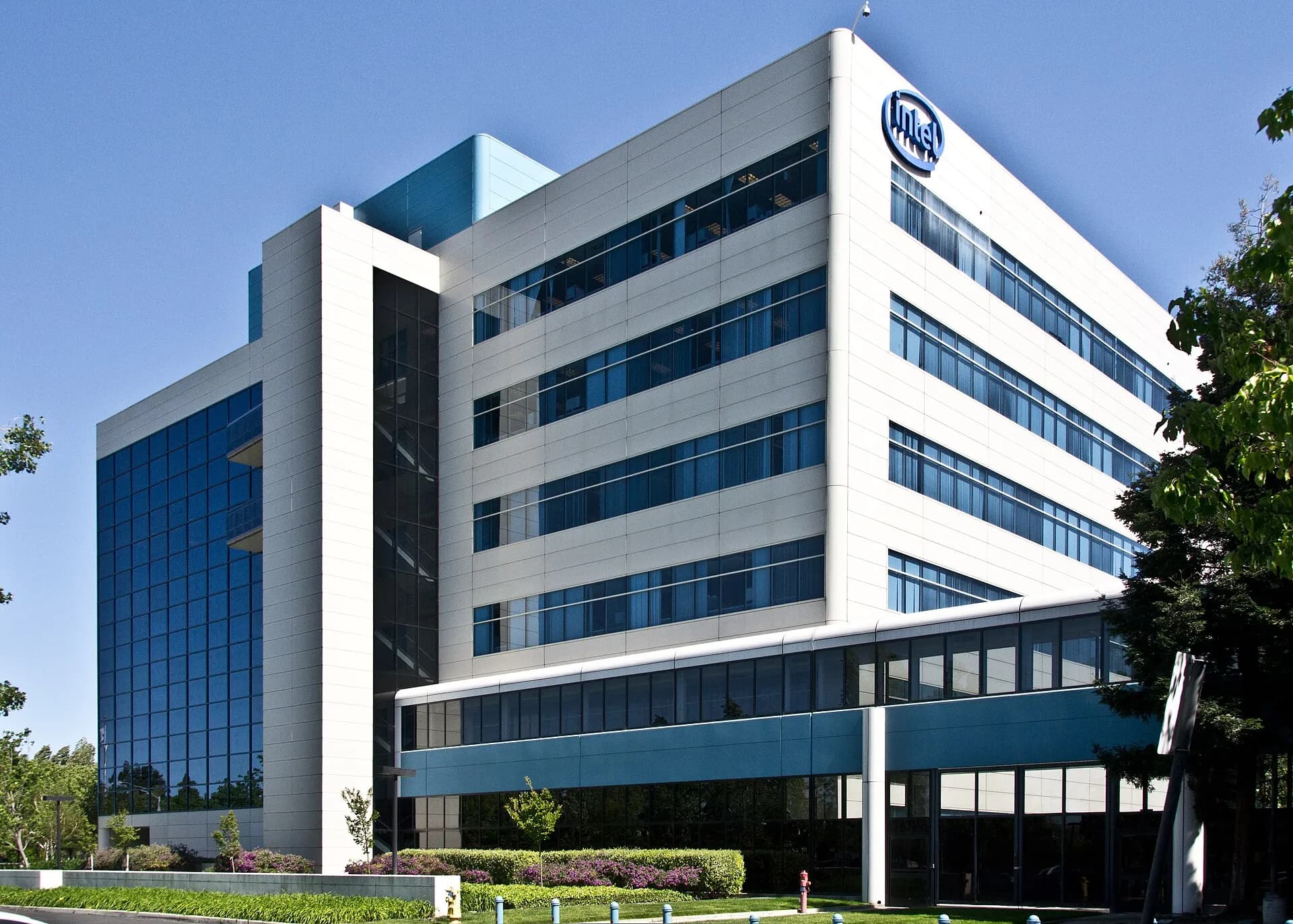
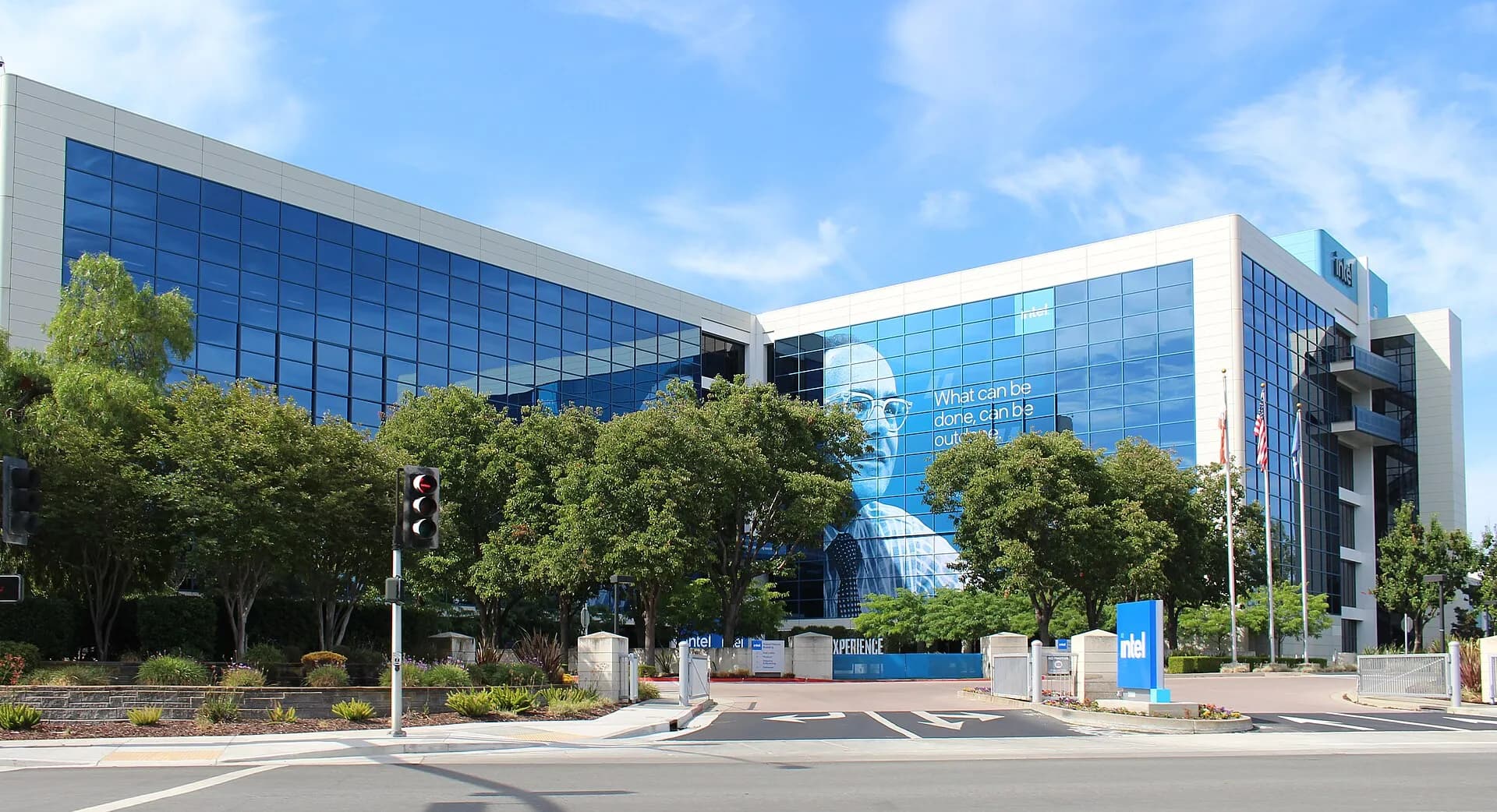
The first-phase figure is below the $25 billion headline number from March, when the companies first announced Terafab, Electrek noted. It is also a fraction of the potential total: TechCrunch reported that SpaceX had suggested in filings it may spend as much as $119 billion on the project across multiple phases. Electrek also reported that SpaceX's S-1 filing in May described Terafab as only a general framework, with no binding commitments and no finalized split of intellectual property. Intel (INTC) has said it will contribute, but TechCrunch reported that Intel has not spelled out what that contribution will be.
For now, Tesla depends on outside chipmakers. Electrek reported that Samsung Electronics' fab in Taylor, Texas, is producing Tesla's AI5 chip, that Tesla signed a $16.5 billion deal with Samsung in 2025 to build its next-generation AI6 chip, and that TSMC (TSM) supplies the rest.
The numbers
- Initial (first-phase) investment
- $16.8 billion
- Texas Enterprise Fund grant to SpaceX
- $30 million
- Jobs expected
- At least 3,000
- Planned facility size
- 100 million square feet
- Possible total spend cited in SpaceX filings
- Up to $119 billion (TechCrunch)
- Tesla-Samsung AI6 chip deal (2025)
- $16.5 billion (Electrek)
Why CEOs should care
For technology buyers, Terafab is another sign that the largest AI users want direct control of chip supply rather than waiting in line at foundries. The near-term effect on the market is limited: a fab of this size takes years to build, and the plant had no public production date when it was announced. Companies that buy AI hardware made at TSMC or Samsung should still ask suppliers how they expect demand from big in-house chip programs to shift capacity and pricing over the next several years.
For boards and governance teams, the structure matters as much as the size. Elon Musk runs both Tesla and SpaceX, the announcements did not disclose how the $16.8 billion is shared, and Electrek reported SpaceX's filing left the intellectual property split unsettled. Tesla directors and shareholders have clear questions to press: who owns the chip designs and output, how costs are allocated, and how conflicts between two Musk-led companies are reviewed.
For CFOs, Terafab lands on top of heavy spending. Tesla told investors on its April 22, 2026, first-quarter earnings call that it expected capital expenditures of $25 billion in 2026, TechCrunch reported. Any Tesla share of Terafab adds to that load, so finance teams modeling Tesla as a supplier or partner should watch cash flow disclosures closely.
The bigger picture
Tesla's argument is that chip supply will limit its AI plans. The company said in July that it more than doubled its onsite AI computing capacity in Texas in the first half of 2026, and Electrek noted that SpaceX absorbed xAI, Musk's AI company, in February. Terafab would give the Musk companies a captive source of chips, with a Texas grant helping to anchor the project in the state.
What happened next
On September 1, the Austin American-Statesman reported that Texas filings set a construction start of December 1, 2026, for the Grimes County plant and completion by the end of 2028, with incentives running through 2038. The same report said Tesla had filed plans for construction work on an Austin semiconductor fab at its Austin campus.
The next milestones to watch are the December 1 construction start and Tesla's next quarterly report, which could show whether Tesla has committed any of its own money to Terafab.
What “Fact-checked” means
Fact-checking means testing a story’s facts against the evidence before it is published. This story went through at least two separate checks before this version was published.
- What we checked
- Its names, figures, dates, job titles, quotes and who said what were checked against the story’s sources, including its main source where it could be opened. The headline was checked for accuracy and overstatement.
- How
- A first check reviewed the whole story. If it passed, a second, skeptical check went back to the sources to look for mistakes in the most important facts. If a check flagged the story, it was edited to fix the problems found, and a separate re-check then reviewed the whole story again.
- Who
- The checks are made with our newsroom’s technology tools, as steps kept separate from the writing, under rules set by our editor, Hussein Mukhtar. A story the checks still flag is not published automatically; it is held for the editor, who decides whether it is fixed, published or dropped.
- Archive story
- It was written after the event. Its dates were checked against the date of the event, including the dates of any later developments it reports.
- If something is wrong
- “Fact-checked” does not mean error-free. If a material error is found after publication, we correct the story and add a note saying what changed. Report an error