The news
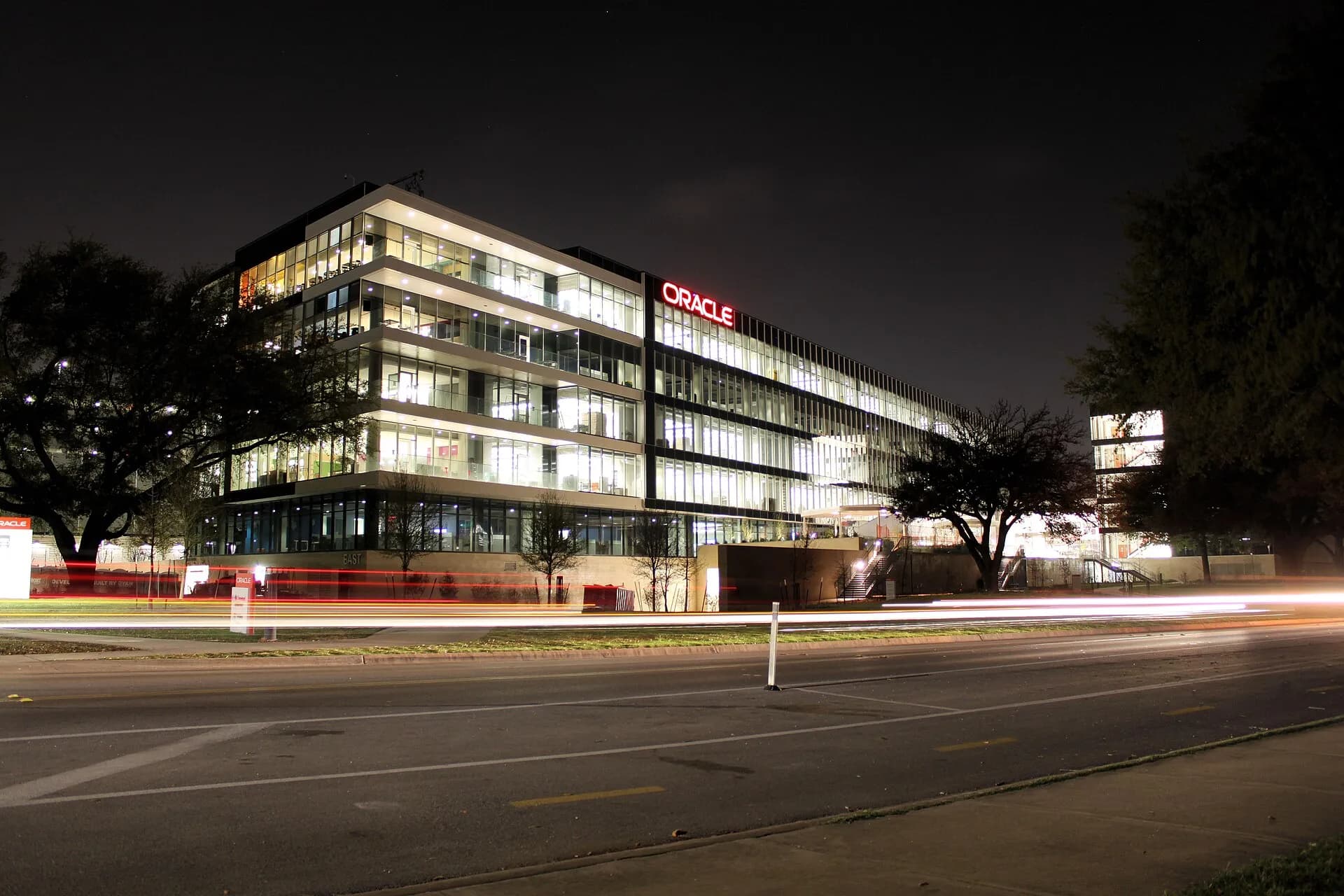
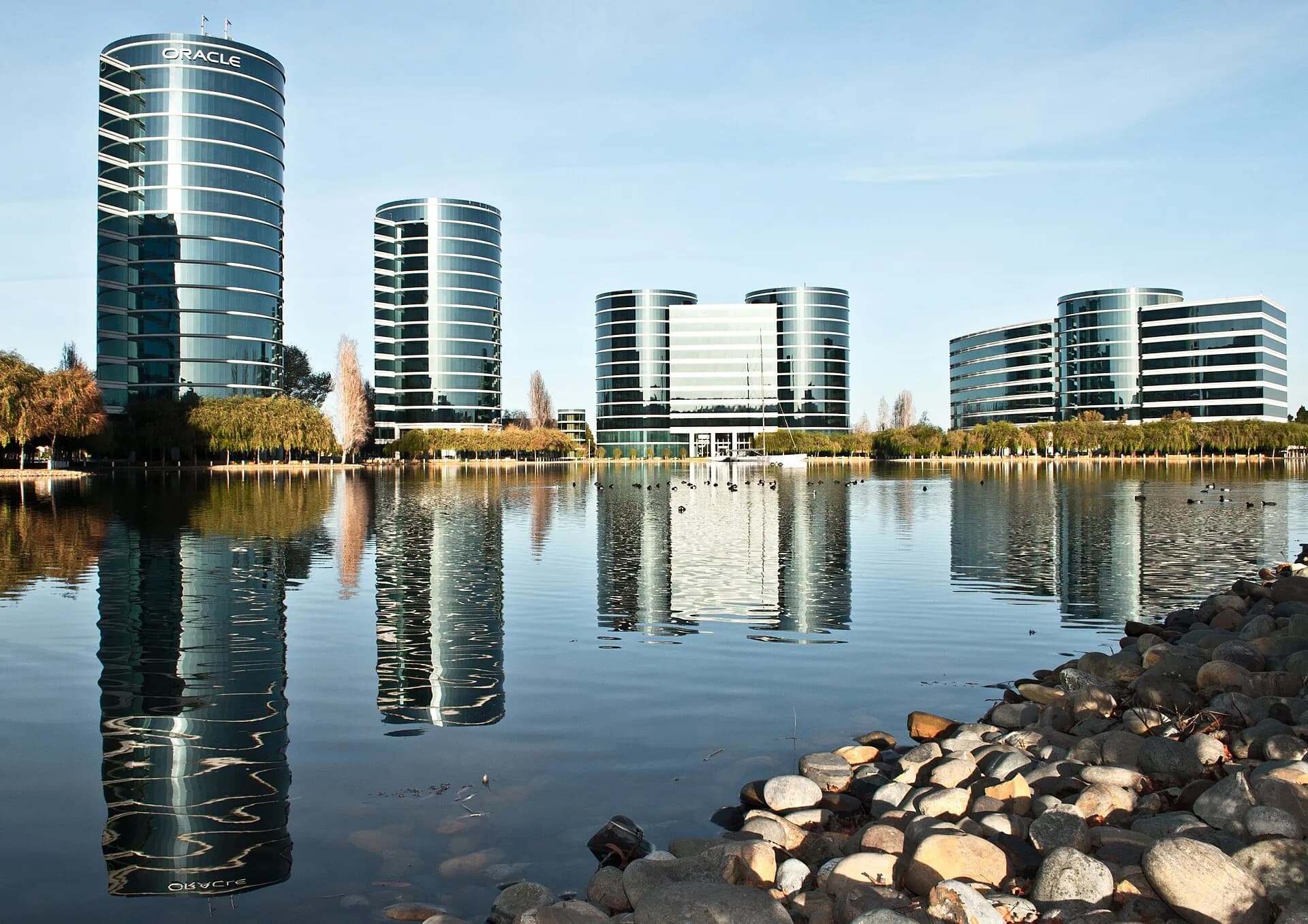
On August 11, 2026, Oracle (ORCL) and Quantinuum (QNT) announced a multi-year partnership to install Quantinuum's Helios machine in a US-based Oracle Cloud Infrastructure (OCI) AI data center, bringing Oracle quantum computing access to cloud customers as an OCI service.
Under the deal, OCI customers are to reach Helios through a planned OCI quantum service, alongside Oracle's high-performance computing (HPC) and GPU capacity, without buying or running their own hardware. Oracle said it plans to preview the service in the coming months, combining Quantinuum's software tools with open-source frameworks for hybrid programs that split work between quantum and classical computers. Neither company disclosed financial terms.
Helios, launched commercially in November 2025, is Quantinuum's third-generation machine. It uses 98 trapped-ion physical qubits and has been used in demonstrations involving 48 logical qubits, which are groups of physical qubits combined to reduce errors. Quantinuum reports an average two-qubit gate fidelity, a measure of how accurately operations run, of 99.921%, and calls Helios the most accurate commercial quantum computer in the world.
The companies pitched the system for drug discovery, materials science, financial modeling and large-scale optimization, including AI workloads, and said they plan to explore those uses with customers. Quantinuum chief executive Rajeeb Hazra said hosting Helios inside OCI would help the partners explore enterprise use cases and speed commercial adoption. Mahesh Thiagarajan, executive vice president of OCI, said Oracle wants to give developers a practical, secure way to explore how quantum computing could complement AI and HPC work.
Because Helios will sit inside Oracle's own facility, the companies expect it to work under the same identity, networking and access controls customers already use on OCI. Quantinuum also estimates a single Helios system draws less than 1% of the power reported for leading supercomputers.
Quantinuum reported second-quarter results the same day, with revenue of $8 million, up 279% from a year earlier, and a net loss attributable to the company of $65.4 million. It expects 2026 revenue of $28 million to $32 million. Oracle shares closed down 3.69% at $145.48 on August 11 and Quantinuum's slipped 0.94% to $56.06, The Next Web reported.
The numbers
- Helios physical qubits
- 98 (trapped-ion)
- Logical qubits demonstrated
- 48
- Average two-qubit gate fidelity
- 99.921%
- Quantinuum Q2 2026 revenue
- $8M, up 279%
- Quantinuum 2026 revenue outlook
- $28M to $32M
Why CEOs should care
For CTOs and heads of R&D, the deal lowers the barrier to getting started: once the service opens, teams already on OCI could test quantum algorithms without buying hardware, next to the GPUs they use for AI. But expectations should stay modest. Charlie Dai of Forrester told Network World that "most organizations remain in the PoC phase" and advised treating hybrid quantum work as long-term capability building rather than a near-term return. Pick one or two problems, such as a molecular simulation or a scheduling model, and measure results against classical methods.
CFOs should keep commitments small until Oracle publishes pricing, which it has not done. Budget for skills and experiments rather than multi-year capacity, and ask how quantum jobs will be billed alongside existing OCI spend.
CISOs and boards should ask two things. First, how data sent to a quantum job is governed; Oracle's pitch is that Helios will use the same OCI identity and access controls, which should be tested in any pilot. Second, whether management has a quantum roadmap at all, since cloud access lowers the barrier for competitors to start learning.
The bigger picture
Oracle arrives after its larger cloud rivals. The Next Web noted that Amazon Web Services has offered its Braket service since August 2020, Microsoft's Azure Quantum has been generally available since February 2022 and already carries Quantinuum hardware, and IBM has sold access to its own machines since 2016. Oracle's difference is hosting the computer inside its own data center, next to its GPU and HPC capacity, rather than routing customers to a remote machine. For Quantinuum, whose hardware is already offered through Azure Quantum, the deal adds a second large cloud channel as it works to grow revenue that remains small next to its losses.
What happened next
As of September 29, 2026, we found no announcement that the OCI quantum service preview had launched, and Oracle's September 10 quarterly earnings release did not mention quantum computing. Watch for the preview date, pricing, the first named customers and the location of the data center hosting Helios.
What “Fact-checked” means
Fact-checking means testing a story’s facts against the evidence before it is published. This story went through at least two separate checks before this version was published.
- What we checked
- Its names, figures, dates, job titles, quotes and who said what were checked against the story’s sources, including its main source where it could be opened. The headline was checked for accuracy and overstatement.
- How
- A first check reviewed the whole story. If it passed, a second, skeptical check went back to the sources to look for mistakes in the most important facts. If a check flagged the story, it was edited to fix the problems found, and a separate re-check then reviewed the whole story again.
- Who
- The checks are made with our newsroom’s technology tools, as steps kept separate from the writing, under rules set by our editor, Hussein Mukhtar. A story the checks still flag is not published automatically; it is held for the editor, who decides whether it is fixed, published or dropped.
- Archive story
- It was written after the event. Its dates were checked against the date of the event, including the dates of any later developments it reports.
- If something is wrong
- “Fact-checked” does not mean error-free. If a material error is found after publication, we correct the story and add a note saying what changed. Report an error
Companies in this story