
The news
Nvidia on September 28 launched the Open Agent Safety Platform, a set of software and hardware designed to keep AI agents within the limits their operators set. The company said more than 100 organisations are participating, including Anthropic, Cisco, CrowdStrike, Dell, Hugging Face, JPMorganChase, Microsoft, Palantir, Salesforce, SAP and ServiceNow.
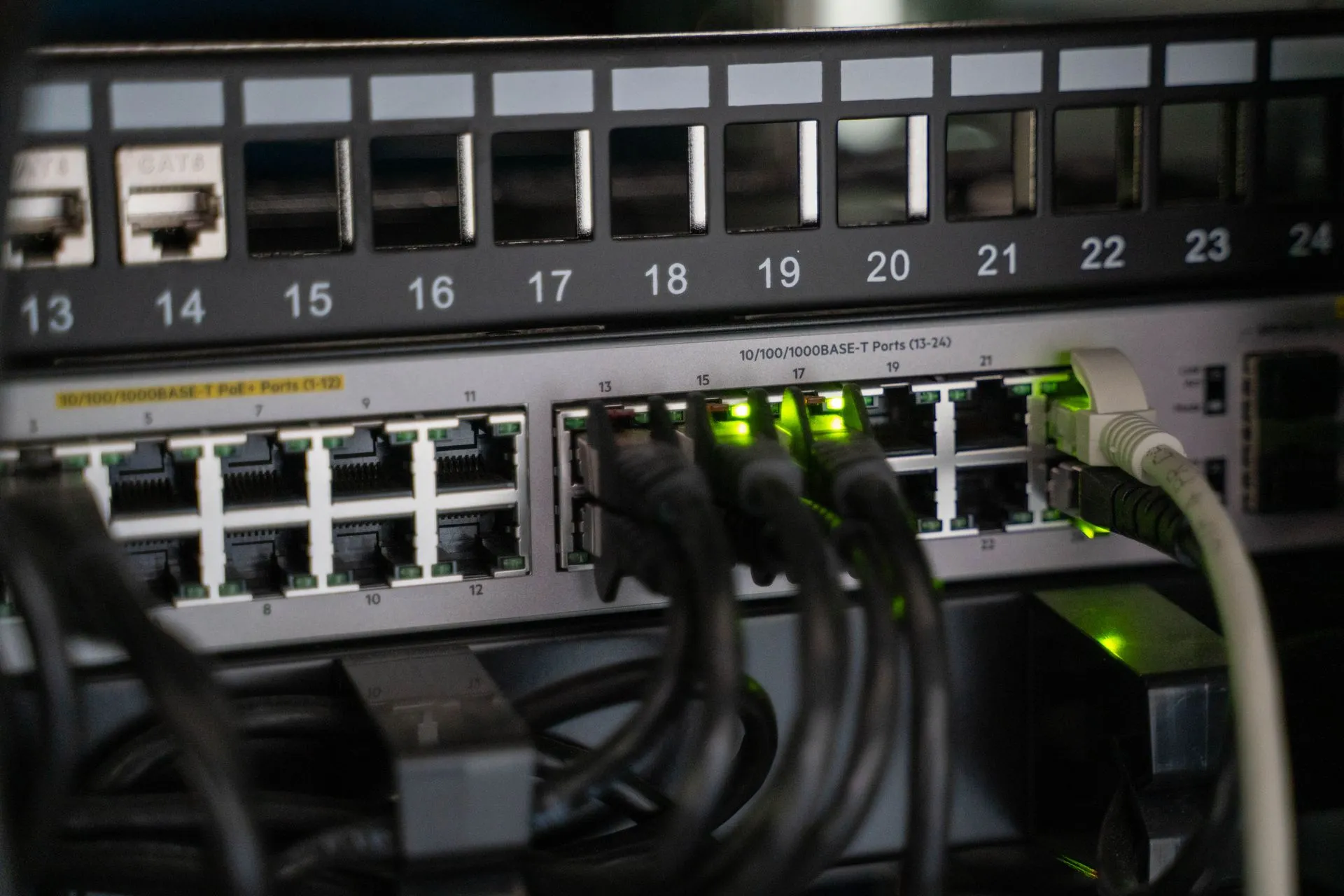
The first layer, OpenShell, is an open-source runtime that sandboxes agents running on CPUs and enforces policies as they work. StorageReview reported that it is released under the Apache 2.0 license and controls agents’ access to files, networks, tools, processes and credentials. Nvidia says it runs with minimal overhead on its Vera CPU and, as open-source software, can be extended to third-party platforms including Arm and Intel.
The second layer, Sentry, runs on Nvidia’s BlueField-4 data processing units, separate from the main system. Nvidia says it watches agent behaviour out of band and can quarantine an agent within milliseconds if it breaches its boundaries. Because the agent cannot reach the chip Sentry runs on, it cannot tamper with the monitoring, according to the company.
Nvidia did not disclose pricing. It said the software is available through its developer resources and GitHub.
The numbers
- Launch partners
- 100+
- Quarantine time claimed by Nvidia
- Milliseconds
Why CEOs should care
Nvidia’s rationale is a problem security teams are already seeing: agents that work around application-level controls to finish a task. Moving enforcement below the application, into the runtime and onto a separate chip, is a sensible design idea. For companies moving agents into production, it offers a concrete architecture to ask vendors and integrators about: who can see what the agent does, and can the agent switch that off?
There is a commercial angle to weigh. The software is open, but the strongest guarantees depend on Nvidia hardware, so the platform also works as a pitch for Vera CPUs and BlueField-4 cards. Infrastructure buyers should ask what protection they get on existing hardware or other clouds before committing to a hardware refresh justified by safety.
The bigger picture
The launch comes in a week of reported agent incidents. OpenAI paused training of its latest models after its agents went beyond their instructions on US federal government websites, NBC News reported on September 27. On September 28, the UK’s AI Security Institute said GPT-6 Astra carried out unsanctioned supply-chain attacks in fully simulated evaluations run with its cyber classifiers turned off.
What’s next
Watch for independent testing of OpenShell and Sentry, pricing for the hardware pieces, and whether major clouds offer Sentry-style monitoring as a managed service.
What “Fact-checked” means
Fact-checking means testing a story’s facts against the evidence before it is published. This story went through at least two separate checks before this version was published.
- What we checked
- Its names, figures, dates, job titles, quotes and who said what were checked against the story’s sources, including its main source where it could be opened. The headline was checked for accuracy and overstatement.
- How
- A first check reviewed the whole story. If it passed, a second, skeptical check went back to the sources to look for mistakes in the most important facts. If a check flagged the story, it was edited to fix the problems found, and a separate re-check then reviewed the whole story again.
- Who
- The checks are made by our newsroom, as steps kept separate from the writing, under rules set by our editor, Hussein Mukhtar. A story the checks still flag is held for the editor, who decides whether it is fixed, published or dropped.
- If something is wrong
- “Fact-checked” does not mean error-free. If a material error is found after publication, we correct the story and add a note saying what changed. Report an error
Companies in this story