The news
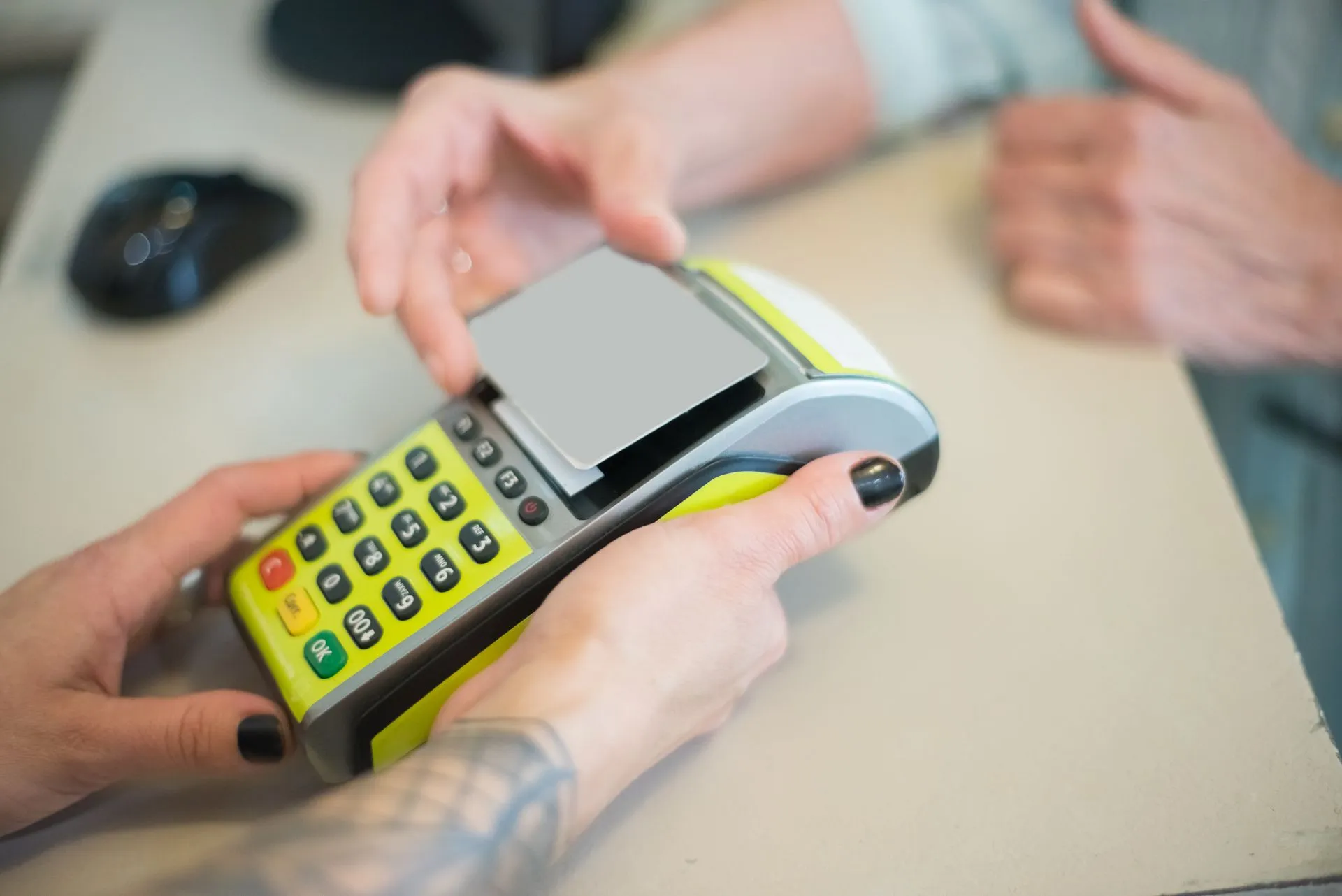
Yuno, a payment orchestration company founded in Colombia, launched In-Person Payments on September 29, 2026, bringing to physical stores the multi-acquirer routing it already sells for online checkout, so merchants can choose which processor handles each card-present sale.
An acquirer is the bank or payment company that processes card payments for a merchant and charges it a fee, known as the merchant discount rate (MDR). Yuno's argument is that the store terminal typically dictates which acquirer handles the sale. Yuno's new POS Orchestration product puts several acquirers and alternative payment methods behind one compatible terminal. Merchants can route each transaction based on priorities such as cost, approval performance and provider availability, according to the company.
Yuno said that if one acquirer fails, sales are automatically routed through another connected provider, so the store keeps selling. The product runs on terminals merchants already own, if compatible, and lets them accept at the counter the same alternative payment methods their customers use online.
The launch also includes Tap to Pay, which turns a compatible Android phone or iPhone into a card reader without a dedicated point-of-sale terminal. Yuno said both products run on the same routing engine, vault and ledger as its online payments, so merchants reconcile both channels in a single ledger and can link store purchases to known customers.
Yuno did not disclose pricing, the countries where In-Person Payments is available or any in-store approval-rate or savings figures. It said it will discuss the launch in a webinar on October 15, 2026. The company says it connects to more than 1,000 payment methods and 460-plus integrations across more than 190 countries, and lists McDonald's, NetEase Games, GoFundMe, inDrive and Rappi among its customers.
"The terminal should not dictate the payment provider," said co-founder and CEO Juan Pablo Ortega. Yuno cited Worldpay's Global Payments Report 2025 as saying 85% of consumer payments, about $37.8 trillion a year, happen in stores.
The numbers
- Share of consumer payments made in-store (Worldpay, cited by Yuno)
- 85%, about $37.8 trillion a year
- Payment methods Yuno connects to (company figure)
- More than 1,000
- Integrations (company figure)
- 460+
- Countries covered (company figure)
- More than 190
- Series B raised in August 2026
- $45 million
Why CEOs should care
For retail CFOs and heads of payments, the pitch is leverage. Yuno's case is that card-present processing has been tied to whichever acquirer runs the terminal, which limits a merchant's options in fee talks. If a large merchant can shift volume between acquirers sale by sale, it can make processors compete on price and approval rates. Before signing, ask Yuno for measured in-store results from existing customers, which acquirers and terminal models are supported in your markets, and what Yuno charges on top of acquirer fees.
For COOs and CIOs, failover is the more immediate benefit. A processor outage at the counter means lost sales and long queues. Ask how quickly the switch to a backup acquirer happens, whether it works when the store's internet link is degraded, and who is responsible for disputes and chargebacks when a sale is routed to a second provider.
For CISOs and compliance teams, adding an orchestration layer means another party touching card data and customer records, especially if store purchases are linked to online profiles. Confirm Yuno's security certifications for card-present data, where the vault stores tokens, and how customer linking fits your privacy notices.
The bigger picture
Payment orchestration, software that sits between a merchant and many payment providers, has been mainly an online business for Yuno until now. Stores add complications that websites do not: physical terminals, device certification and local acquirer contracts. Yuno raised a $45 million Series B in August 2026 led by Global PayTech Ventures, and, according to FinTech Global's report on the round, planned to use the money partly to expand in-person payments and its US presence.
The in-store market is far larger than online, by the Worldpay figures Yuno cites. That makes the physical checkout the next battleground for orchestrators, acquirers and terminal makers, all of which want to own the merchant relationship.
What’s next
Watch Yuno's October 15 webinar for customer names, supported acquirers and countries. The real test will be whether large retailers publish approval-rate or fee savings from routing store sales, and how acquirers respond to losing exclusive control of the terminal.
What “Fact-checked” means
Fact-checking means testing a story’s facts against the evidence before it is published. This story went through at least two separate checks before this version was published.
- What we checked
- Its names, figures, dates, job titles, quotes and who said what were checked against the story’s sources, including its main source where it could be opened. The headline was checked for accuracy and overstatement.
- How
- A first check reviewed the whole story. If it passed, a second, skeptical check went back to the sources to look for mistakes in the most important facts. If a check flagged the story, it was edited to fix the problems found, and a separate re-check then reviewed the whole story again.
- Who
- The checks are made by our newsroom, as steps kept separate from the writing, under rules set by our editor, Hussein Mukhtar. A story the checks still flag is held for the editor, who decides whether it is fixed, published or dropped.
- If something is wrong
- “Fact-checked” does not mean error-free. If a material error is found after publication, we correct the story and add a note saying what changed. Report an error