The news
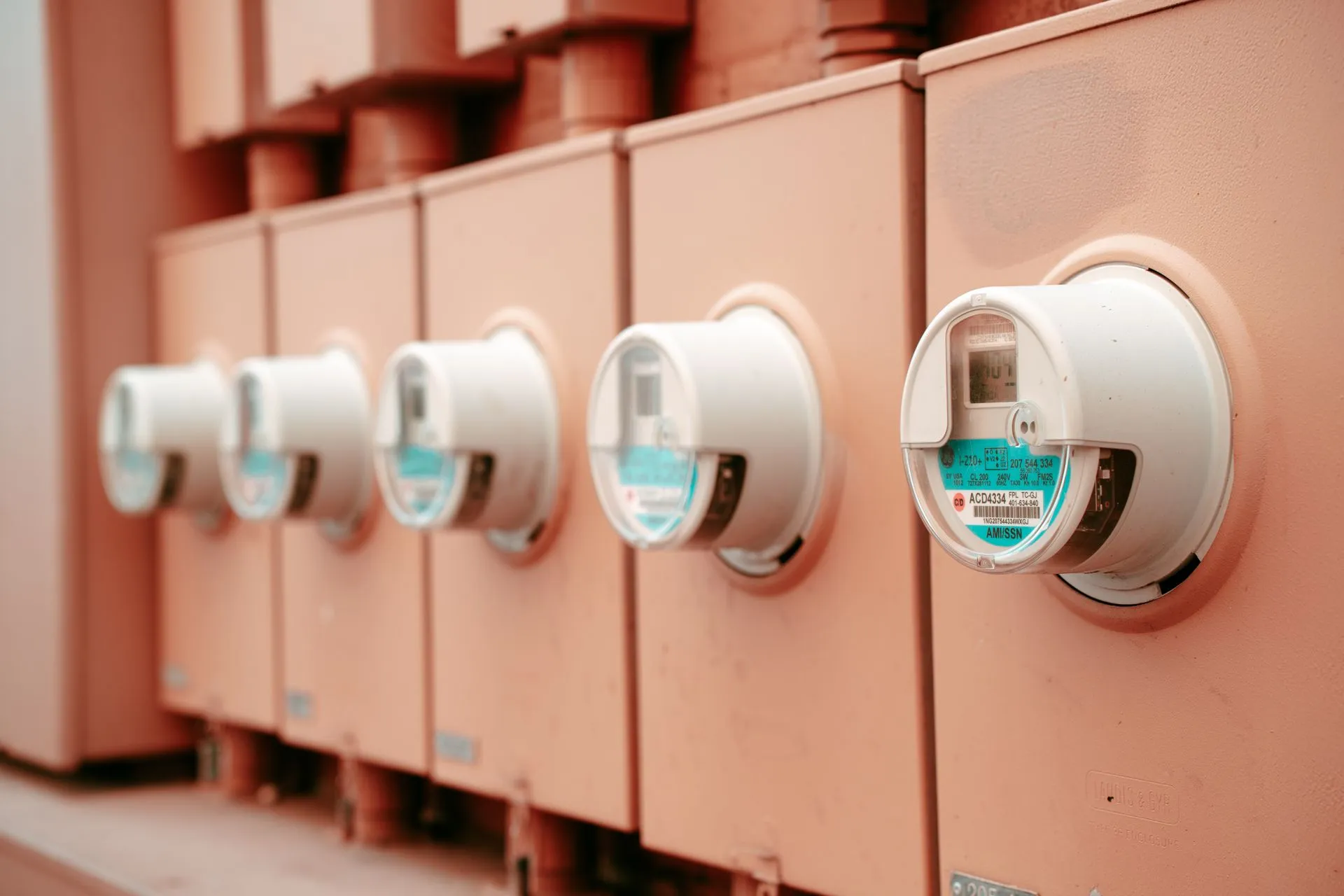
On September 3, 2026, Meta Platforms (META) launched WhatsApp bill payments in India, letting users pay electricity, gas, water, insurance, credit card and loan bills inside the messaging app through the Bharat Connect network, with access to 22,722 billers.
Meta said the service covers 30 bill categories, including FASTag, the prepaid tags used to pay highway tolls in India. Bharat Connect, formerly the Bharat Bill Payment System (BBPS), is run by NPCI Bharat BillPay Limited, a wholly owned subsidiary of the National Payments Corporation of India (NPCI), according to the Indian tech policy outlet MediaNama.
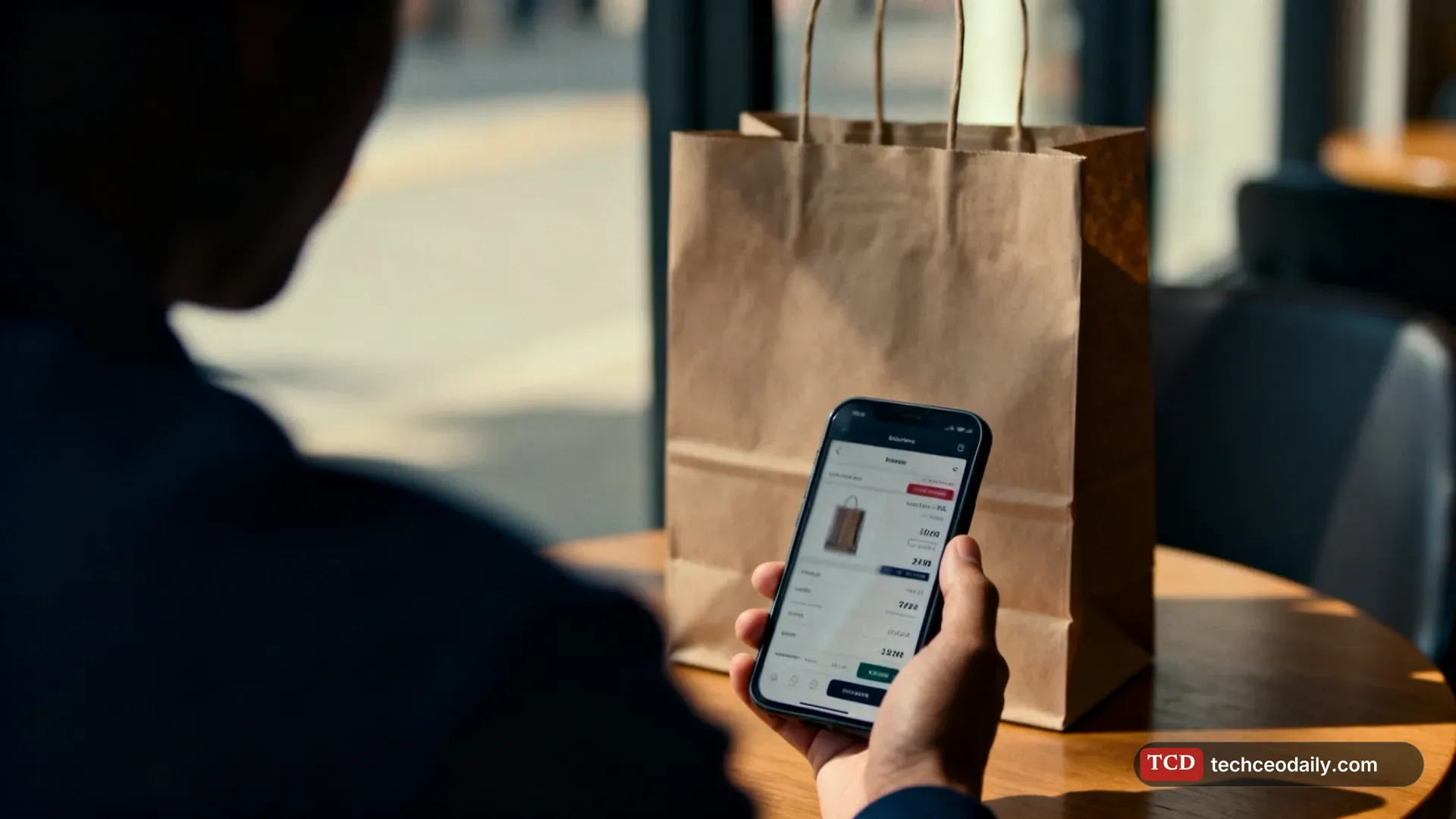
Users tap a rupee icon at the top of the WhatsApp home screen, choose a category and biller, add their account details and review the bill amount, which the service fetches before payment. They can pay with the Unified Payments Interface (UPI), India's real-time bank payment system, or with a debit or credit card. Meta said the payments home screen pre-fetches bills, keeps previously paid billers a tap away and can hold several accounts with one biller, for example for a home, an office and family.
Meta said the feature was rolling out gradually and would be available to all Android and iOS users in India over the coming weeks. Its announcement did not mention fees for users or billers and did not name bank partners. Arun Srinivas, managing director and country head of Meta in India, said the company was bringing simplicity to "one of the most routine tasks in every household."
Credit card repayments were already tied to this network. MediaNama noted that since July 1, 2024, the Reserve Bank of India (RBI) has required credit card bill payments made through third-party apps to be routed through BBPS.
The numbers
- Billers reachable
- 22,722
- Bill categories
- 30
- Payment options
- UPI, debit card, credit card
- WhatsApp UPI transactions, July 2026 (NPCI data, per MediaNama)
- 167.89 million, worth ₹12,957.07 crore
- WhatsApp UPI transactions, July 2025 (per Business Today)
- 74.6 million
- Estimated WhatsApp users in India (MediaNama)
- About 500 million
Why CEOs should care
For CFOs and collections heads at utilities, insurers and lenders in India, WhatsApp adds a payment channel inside an app that MediaNama estimates has about 500 million users in the country. Because the feature runs on Bharat Connect, billers on that network may become payable through WhatsApp without their own deal with Meta. Ask your Bharat Connect operating unit how your bills will display, how fast WhatsApp payments are confirmed and reconciled, and how failed or disputed payments reach your support team.
For leaders of payment apps, the launch puts bill payments next to the chats people already open many times a day. WhatsApp is still small in UPI: 167.89 million transactions in July 2026, against 10.85 billion for PhonePe and 7.64 billion for Google Pay, according to figures reported by Business Today. But its volume more than doubled from 74.6 million a year earlier, and recurring bills are the kind of habit that can move a user's default app.
For CISOs and fraud teams, putting bill payments inside a messaging app raises the stakes on impersonation. Billers should tell customers which channels are official, check that their name and details appear correctly on Bharat Connect, and brief support staff on how to confirm whether a payment made in WhatsApp was genuine.
The bigger picture
The launch extends a payments push that has picked up since the National Payments Corporation of India removed restrictions on onboarding WhatsApp Pay users in December 2024, as reported by Business Today. By July 2026, Business Today reported, WhatsApp Pay was the eighth-largest UPI app by transaction volume, having passed Cred and Amazon (AMZN) Pay.
Bill payments are a contested market. Among apps listed by MediaNama from BBPS data for July 2026, Google Pay, owned by Alphabet (GOOGL), led with 71 million bill payment transactions, followed by Paytm with 23.9 million and Amazon Pay with 10.1 million. For Meta, the feature turns its largest WhatsApp market into a place where money moves, not only messages.
What happened next
Meta said the rollout would continue over the weeks after September 3, 2026. We found no published usage figures for the feature as of September 29, 2026.
Watch NPCI's monthly UPI statistics for September and October for any change in WhatsApp's transaction volume, and Bharat Connect data by app for signs that WhatsApp is taking bill payment share from Google Pay and Paytm.
What “Fact-checked” means
Fact-checking means testing a story’s facts against the evidence before it is published. This story went through at least two separate checks before this version was published.
- What we checked
- Its names, figures, dates, job titles, quotes and who said what were checked against the story’s sources, including its main source where it could be opened. The headline was checked for accuracy and overstatement.
- How
- A first check reviewed the whole story. If it passed, a second, skeptical check went back to the sources to look for mistakes in the most important facts. If a check flagged the story, it was edited to fix the problems found, and a separate re-check then reviewed the whole story again.
- Who
- The checks are made with our newsroom’s technology tools, as steps kept separate from the writing, under rules set by our editor, Hussein Mukhtar. A story the checks still flag is not published automatically; it is held for the editor, who decides whether it is fixed, published or dropped.
- Archive story
- It was written after the event. Its dates were checked against the date of the event, including the dates of any later developments it reports.
- If something is wrong
- “Fact-checked” does not mean error-free. If a material error is found after publication, we correct the story and add a note saying what changed. Report an error
Companies in this story