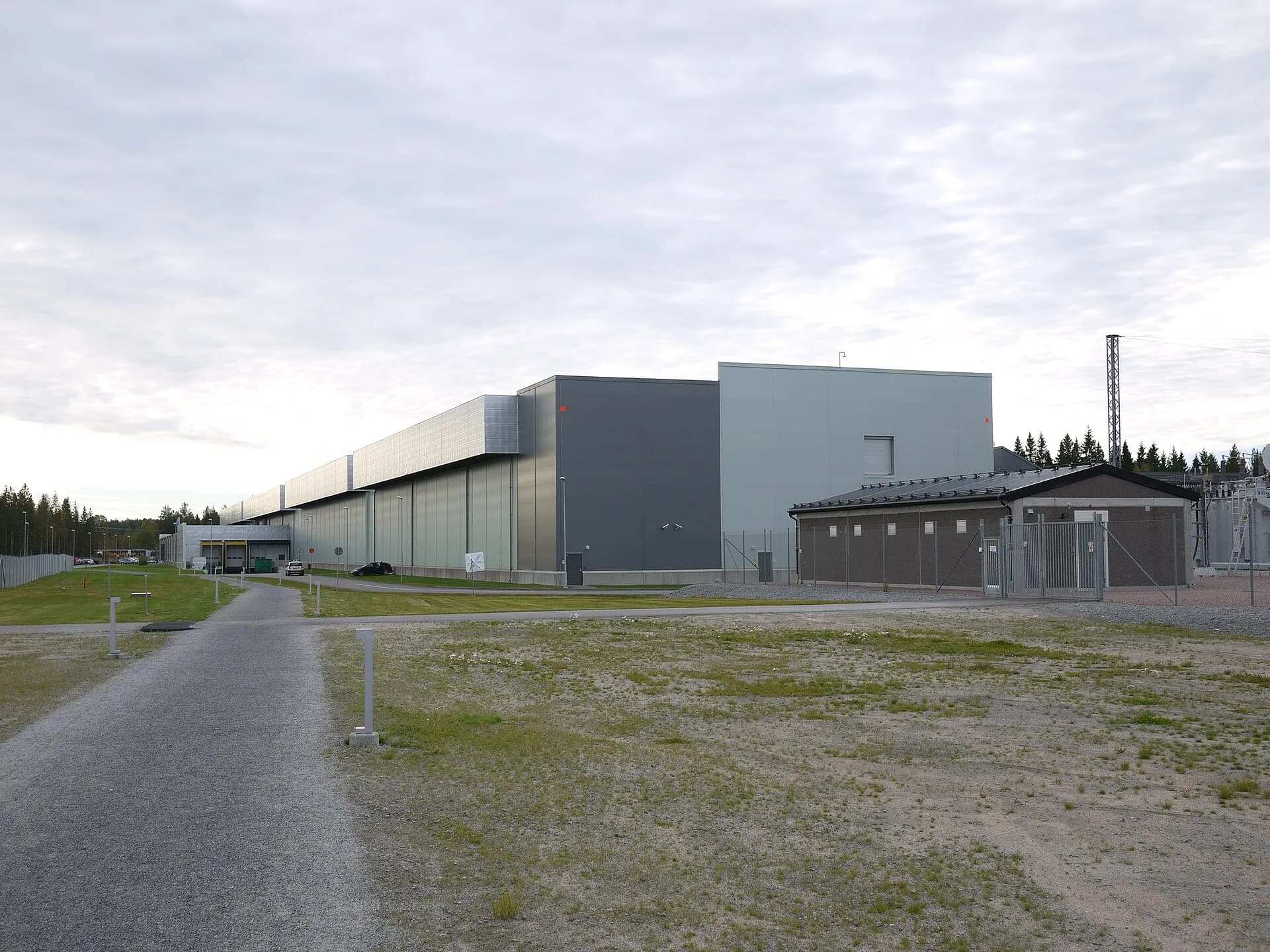
The news
On July 28, 2026, Meta Platforms (META) and BlackRock (BLK) announced a venture to develop and own the Meta El Paso data center, a 1-gigawatt AI campus under construction in Texas. Funds managed by BlackRock will own 80% and Meta 20%.
The partners committed to fund their shares of about $14 billion in total development costs, covering the buildings and the long-lived power, cooling and connectivity systems, Meta said. BlackRock units Global Infrastructure Partners and HPS Investment Partners are involved, and Meta said it picked BlackRock after a highly competitive process.
At financial close, Meta will contribute the land and construction-in-progress assets, valued at about $2.3 billion, and BlackRock will put in about $4.9 billion in cash. Meta will receive a one-time distribution of about $1 billion so the stakes match the 80/20 split. Part of BlackRock's investment will come from a $12.5 billion debt financing.
Meta will lease the entire campus from the venture. Each lease runs for an initial four years with four options to extend, for a potential term of 20 years. Meta will also provide residual value guarantees, a promise to cover part of any drop in the property's value, with an aggregate threshold of about $13 billion that shrinks over time.
Meta will manage construction and the property and will be the campus's initial sole tenant. The venture expects to start bringing capacity online in 2028. Meta put its own El Paso investment at over $10 billion, supporting more than 4,000 construction jobs at peak and 300 operational jobs, and said the deal was expected to close within days.
Meta founder and CEO Mark Zuckerberg said the partnership lets Meta "move faster and at greater scale." Morgan Stanley and J.P. Morgan Securities advised Meta.
The numbers
- Total development costs
- About $14 billion
- Ownership
- 80% BlackRock funds, 20% Meta
- Meta asset contribution
- About $2.3 billion (land and construction in progress)
- BlackRock cash contribution
- About $4.9 billion
- One-time distribution to Meta
- About $1 billion
- Debt financing
- $12.5 billion per Meta's announcement; El Paso Matters reported $12.3 billion in bonds sold
- Residual value guarantee threshold
- About $13 billion, declining over time
- Capacity
- 1 gigawatt, coming online from 2028
Why CEOs should care
For CFOs, the deal is a working template for paying for AI capacity without carrying the whole construction bill. Meta swaps most of the upfront capital for lease payments, a 20% equity stake and a contingent guarantee, and receives a one-time distribution of about $1 billion. The catch is that leases and residual value guarantees are still obligations. Finance teams weighing similar structures for their own facilities should model the full lease stream and the worst-case guarantee payment, not just the cash saved in year one.
For boards, the questions are about risk that sits outside the balance sheet: how large the guarantee is relative to the asset, what lease costs look like if AI demand slows before a 20-year term ends, and who decides the campus's future if the tenant leaves. Directors should get those answers in writing before approving comparable structures.
For companies that buy cloud and AI computing, the signal is that Meta plans to keep adding capacity at gigawatt scale, using money from asset managers and bond investors. Buyers negotiating multi-year compute contracts should ask providers how their capacity is financed and whether financing costs are built into pricing.
The bigger picture
The El Paso deal repeats a pattern Meta set in October 2025 with a venture for its data center campus in Louisiana, where Meta also holds 20%. Quartz reported on July 28 that the El Paso structure mirrors the Louisiana one, in which a joint venture issued debt that kept the liabilities off Meta's books. Meta said in November 2025 that it was committing more than $600 billion in the U.S. through 2028 to support AI technology, infrastructure and workforce expansion.
Meta framed the deal as part of the strategy of Meta Compute, its infrastructure effort, which pairs the company's experience building and running data centers with outside capital partners.
What happened next
On July 30, 2026, Meta's quarterly report (Form 10-Q) described the El Paso arrangement as an exclusivity agreement still subject to definitive agreements and closing conditions, with closing expected in the third quarter, and put the maximum exposure under the guarantees at about $13 billion. The same filing showed Meta's maximum exposure to loss on the Louisiana venture at $46.03 billion as of June 30, 2026.
On August 9, 2026, El Paso Matters reported that a BlackRock-controlled company, Sopaipilla Investor, had sold $12.3 billion in bonds in late July, slightly less than the $12.5 billion debt financing in Meta's announcement; neither source explained the difference. The outlet also reported that the city's preliminary review found the deal did not appear to trigger the assignment clauses in the city's agreements with Meta, which include a local tax break. The outlet reported that Moody's said the venture lowers Meta's near-term cash needs compared with owning the facility outright. Next to watch: construction progress toward first capacity in 2028.
What “Fact-checked” means
Fact-checking means testing a story’s facts against the evidence before it is published. This story went through at least two separate checks before this version was published.
- What we checked
- Its names, figures, dates, job titles, quotes and who said what were checked against the story’s sources, including its main source where it could be opened. The headline was checked for accuracy and overstatement.
- How
- A first check reviewed the whole story. If it passed, a second, skeptical check went back to the sources to look for mistakes in the most important facts. If a check flagged the story, it was edited to fix the problems found, and a separate re-check then reviewed the whole story again.
- Who
- The checks are made with our newsroom’s technology tools, as steps kept separate from the writing, under rules set by our editor, Hussein Mukhtar. A story the checks still flag is not published automatically; it is held for the editor, who decides whether it is fixed, published or dropped.
- Archive story
- It was written after the event. Its dates were checked against the date of the event, including the dates of any later developments it reports.
- If something is wrong
- “Fact-checked” does not mean error-free. If a material error is found after publication, we correct the story and add a note saying what changed. Report an error
Companies in this story