The news
Apple Pay in India is live with Axis Bank as its only bank partner, MacRumors reported on September 29. HDFC Bank, ICICI Bank and SBI Card are not on board while talks over Apple's commercial terms continue, a person familiar with the matter told TechCrunch.
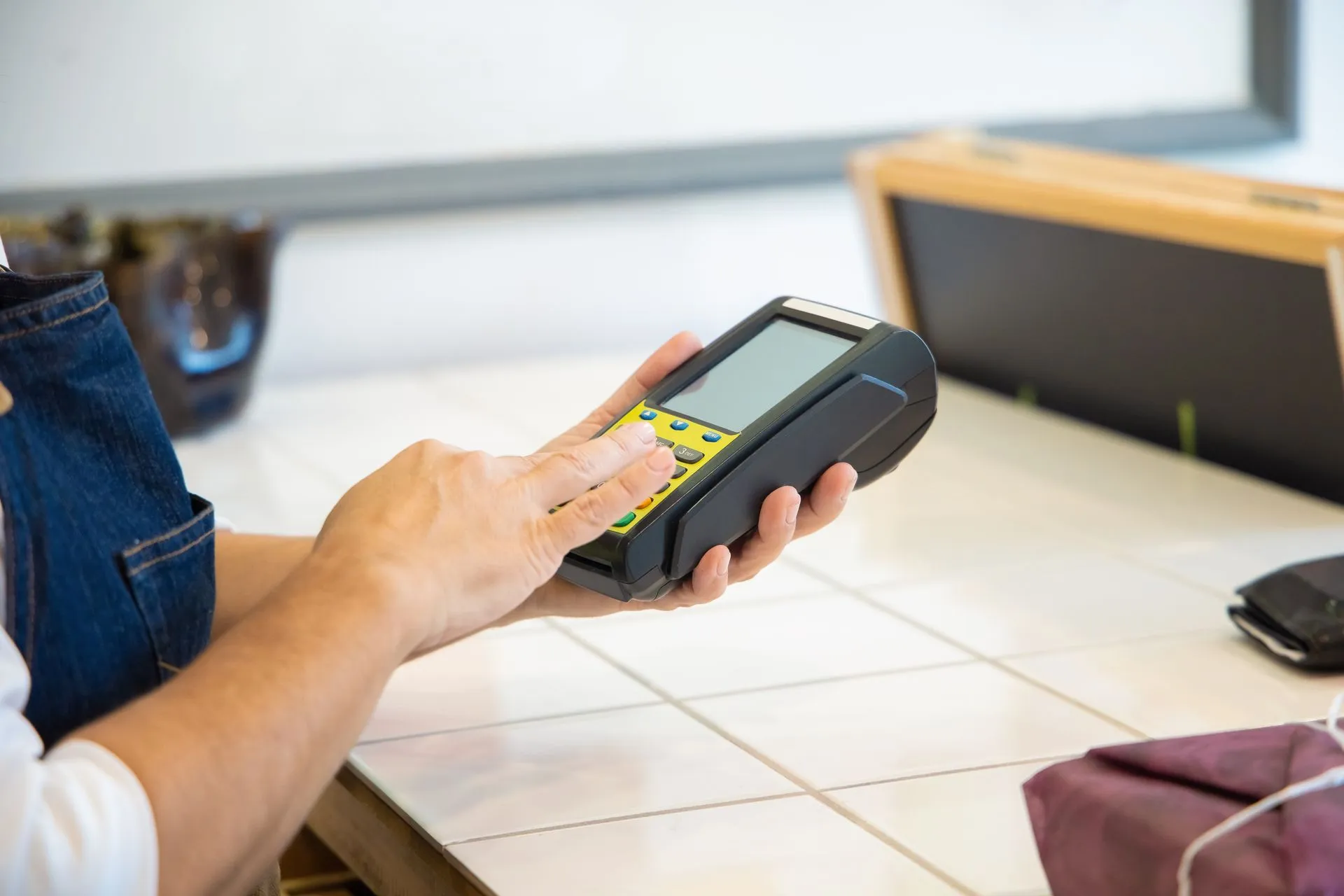
At launch, only Axis Bank credit cards on the Visa and Mastercard networks can be added to Apple Wallet for contactless payments in stores and for online purchases, according to MacRumors and TechCrunch. Cards on RuPay, India's domestic card network, are not supported. Acceptance is limited to merchants and terminals that have enabled Apple Pay, so a payment could work at one terminal and fail at another whose acquiring bank, the bank that processes a merchant's card payments, has not, one person told TechCrunch.
Apple (AAPL) is seeking a fee of about 20 basis points, or 0.2%, on transactions, TechCrunch reported, citing people familiar with the matter. The outlet described that as a significant bite out of the roughly 40 to 50 basis points of margin in the payments layer, and said the people described the fee as broadly consistent with Apple Pay's model in other markets. Apple's commercial terms have become a sticking point with some of India's largest banks, the people said.
Apple, Axis Bank, HDFC Bank, ICICI Bank and SBI Card did not respond to TechCrunch's requests for comment. Reuters reported on September 18 that Apple was preparing to launch Apple Pay in India in October, starting with Axis Bank credit cards, and that Apple planned to add more lenders over time, as it has in other markets, according to PYMNTS' account of that report.
Apple Pay enters a market built around the Unified Payments Interface (UPI), India's state-backed system for instant bank-to-bank payments, often made by scanning a QR code. TechCrunch noted that UPI handles the bulk of India's digital payments, and MacRumors said UPI does not work with Apple Pay. That leaves Apple Pay addressing a much smaller card market at first.
The numbers
- Banks supported at launch
- 1 (Axis Bank; Visa and Mastercard credit cards)
- Fee Apple is seeking
- About 20 basis points on transactions (sources, via TechCrunch)
- Margin in the payments layer
- Roughly 40 to 50 basis points (sources, via TechCrunch)
- Apple's share of India smartphone market by value, 2025
- 28%, up from 23% (Counterpoint Research, via TechCrunch)
- India's share of global iPhone production
- About a quarter (TechCrunch)
Why CEOs should care
For bank and card executives, the reported 20-basis-point ask is the number that matters. TechCrunch described it as a significant bite out of the roughly 40 to 50 basis points of margin in the payments layer. Issuers weighing whether to join should model how much premium-card spending could shift to a rival that supports Apple Pay against the fee they would give up. The holdouts' leverage depends on how hard their affluent iPhone-owning customers push for it.
For merchants and retail finance chiefs, acceptance will be uneven at first. Whether an Apple Pay tap works depends on whether a store's acquiring bank or payments provider has enabled the service. Retailers with affluent, iPhone-heavy customers should ask their acquirers when support is coming and whether it changes their costs; merchant-side pricing was not disclosed.
For boards of companies selling into India, this is a live test of platform leverage. Apple launched with one bank while talks continue rather than waiting for a broader deal. How quickly the largest issuers follow, and on what terms, will show how much pricing power Apple has in a market where it is not the default way to pay.
The bigger picture
India is a growing business for Apple, which has been expanding iPhone sales, local manufacturing and retail stores there, TechCrunch noted. Apple accounted for 28% of India's smartphone market by value in 2025, up from 23% a year earlier, according to Counterpoint Research figures cited by TechCrunch, and India already makes about a quarter of the world's iPhones. TechCrunch added that iPhone owners in India tend to be more affluent and more likely to carry premium credit cards, a group banks may find hard to ignore. The people told TechCrunch the transaction fee would give Apple another way to earn money from its growing base of iPhone users in the country.
The fee question follows Apple Pay elsewhere. MacRumors has reported that a US federal judge certified a class of card issuers in an antitrust lawsuit accusing Apple of blocking tap-to-pay competition.
What’s next
Watch whether HDFC Bank, ICICI Bank or SBI Card sign on, and on what terms; whether support for RuPay cards follows; and how quickly acquirers enable terminals. Apple had not commented publicly on the launch as of TechCrunch's report, so an official list of supported banks and cards would be the clearest confirmation of how far the rollout reaches.
What “Fact-checked” means
Fact-checking means testing a story’s facts against the evidence before it is published. This story went through at least two separate checks before this version was published.
- What we checked
- Its names, figures, dates, job titles, quotes and who said what were checked against the story’s sources, including its main source where it could be opened. The headline was checked for accuracy and overstatement.
- How
- A first check reviewed the whole story. If it passed, a second, skeptical check went back to the sources to look for mistakes in the most important facts. If a check flagged the story, it was edited to fix the problems found, and a separate re-check then reviewed the whole story again.
- Who
- The checks are made by our newsroom, as steps kept separate from the writing, under rules set by our editor, Hussein Mukhtar. A story the checks still flag is held for the editor, who decides whether it is fixed, published or dropped.
- If something is wrong
- “Fact-checked” does not mean error-free. If a material error is found after publication, we correct the story and add a note saying what changed. Report an error
Companies in this story