
The news
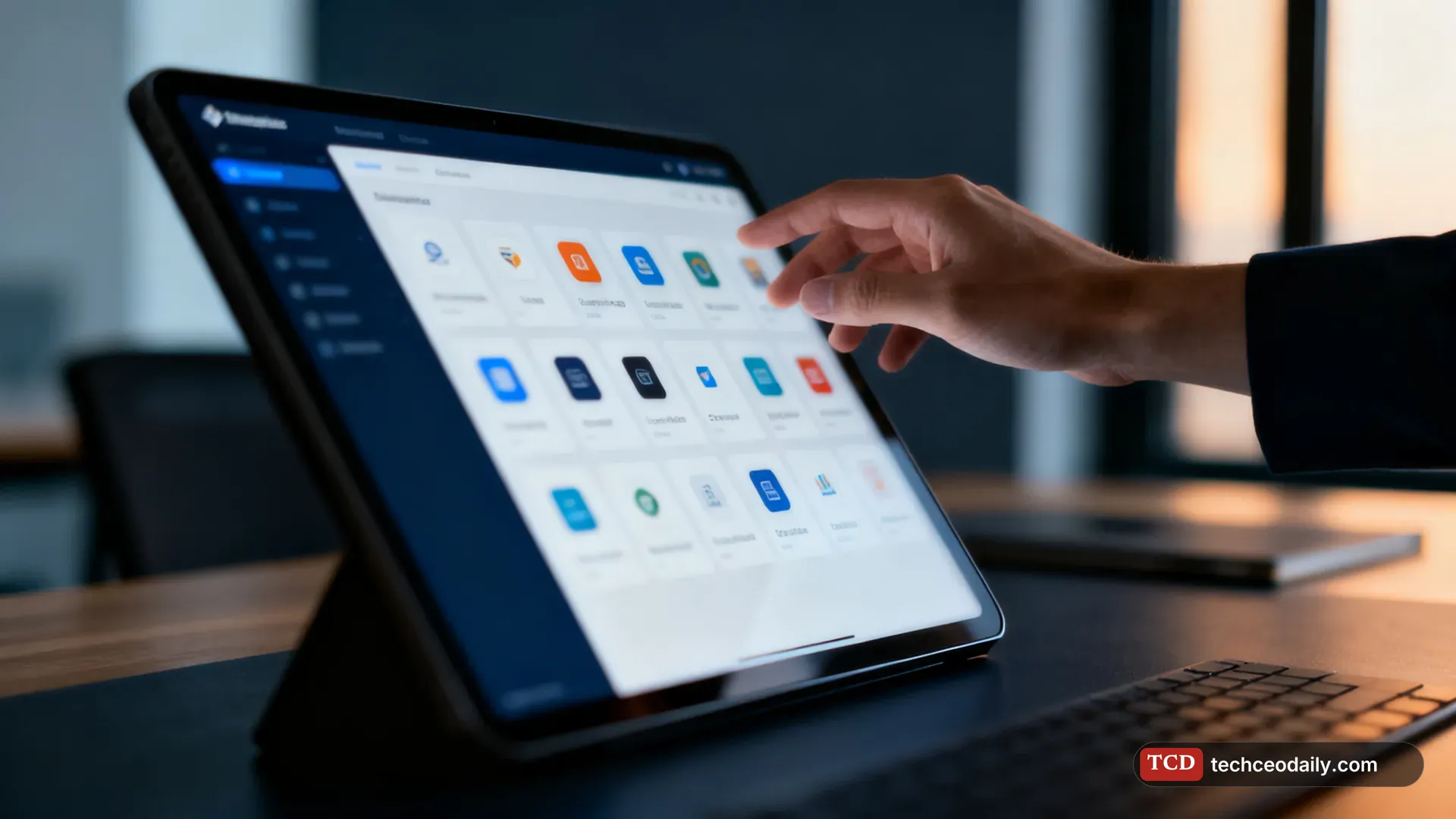
OpenAI on September 29 launched the OpenAI Marketplace, where eligible enterprise customers can apply part of their existing OpenAI commitment to approved partner software, TechCrunch reported. Anthropic offers a similar arrangement through Claude Marketplace, turning both AI labs into sales channels for other companies' software.
TechCrunch reported that more than 30 partners are offering apps through the OpenAI Marketplace at launch, including Adobe (ADBE), Figma (FIG), Sierra, Decagon, HubSpot (HUBS), Salesforce (CRM), ServiceNow (NOW), Harvey, Legora, Palo Alto Networks (PANW), CrowdStrike (CRWD) and Baseten. OpenAI did not announce a billing or revenue-sharing system comparable to those of traditional app stores, the outlet noted.
DevRev, which sells an AI platform for customer and employee self-service, said in its own release that it joined the launch. According to DevRev, OpenAI enterprise customers can direct some of their existing OpenAI commitment to qualifying partner products, including its own. DevRev said customers can find it through the Marketplace Directory and contract directly with DevRev.
OpenAI also introduced Sign in with ChatGPT, which TechCrunch said will let users bring their AI allowance to third-party apps, starting with 16 launch partners including Cognition's Devin, Notion and Vercel. OpenAI says ChatGPT has 1.2 billion weekly users, according to TechCrunch, which framed the moves as a direct challenge to the app store model.
Anthropic moved first. In a September 23 post, it said Claude Marketplace lists more than 2,000 connectors and plugins and lets customers use a portion of their committed Anthropic spend on Claude-powered software from companies such as CrowdStrike, Cursor, Harvey, Legora, Lovable and Snowflake. The marketplace also lists consulting partners including Accenture, Boston Consulting Group and Deloitte. InfoWorld reported in March that Anthropic had debuted an earlier version with a smaller group of partners, with purchases charged against existing committed spend. BleepingComputer likened the expanded catalog to a Google Play Store for AI features.
The numbers
- OpenAI Marketplace partners at launch (TechCrunch)
- 30-plus
- Sign in with ChatGPT launch partners
- 16
- ChatGPT weekly users (OpenAI figure, via TechCrunch)
- 1.2 billion
- Claude Marketplace connectors and plugins (Anthropic)
- More than 2,000
- Revenue-share terms disclosed by either lab
- None
Why CEOs should care
For CIOs and procurement leaders, the appeal is simpler buying. Analyst Pareekh Jain of Pareekh Consulting told InfoWorld the Anthropic model means "one contract, one invoice, one renewal conversation." Before routing spend this way, ask whether a partner's price through the marketplace matches what you would pay directly, whether discounts you already negotiated still apply, and whether marketplace purchases count toward your commitment at full value.
CFOs should see a planning shift. AI commitments and software budgets start to merge, which can help a company use up a commitment it might otherwise under-spend, but it also raises the stakes of each lab's contract. Ask what happens to a partner subscription bought with OpenAI or Anthropic credit if you later cut that commitment, and model whether a bigger single commitment is worth the flexibility.
For SaaS vendors' CEOs and sales chiefs, the labs are a new route to large buyers, and a new party between you and them. Neither lab has published a revenue share, so ask what fees apply, what customer and usage data the lab sees, and who handles renewals. DevRev's note that customers contract directly with it suggests some vendors will keep the paper, even when the money flows from an AI commitment.
The bigger picture
InfoWorld's coverage compared the approach to platform plays such as Salesforce's AppExchange. Control of discovery is the prize: TechCrunch reported that ChatGPT will suggest relevant apps within conversations. When an assistant recommends which software to use and the purchase draws on money already committed to the lab, the lab gains leverage over vendors that once sold directly.
There is also channel conflict. InfoWorld noted that Anthropic builds its own first-party tools, such as Claude Cowork, while inviting third-party vendors to sell alongside them. Vendors listing in these marketplaces are betting that the reach is worth competing on a platform whose owner can also enter their category.
What’s next
Watch for three things: published fee or revenue-share terms from either lab, how many vendors move from launch partner to full listing, and whether large buyers start negotiating AI commitments specifically to cover third-party software. Buyers with renewals coming up should ask both their AI lab and their key SaaS vendors how marketplace purchases would change their pricing.
What “Fact-checked” means
Fact-checking means testing a story’s facts against the evidence before it is published. This story went through at least two separate checks before this version was published.
- What we checked
- Its names, figures, dates, job titles, quotes and who said what were checked against the story’s sources, including its main source where it could be opened. The headline was checked for accuracy and overstatement.
- How
- A first check reviewed the whole story. If it passed, a second, skeptical check went back to the sources to look for mistakes in the most important facts. If a check flagged the story, it was edited to fix the problems found, and a separate re-check then reviewed the whole story again.
- Who
- The checks are made by our newsroom, as steps kept separate from the writing, under rules set by our editor, Hussein Mukhtar. A story the checks still flag is held for the editor, who decides whether it is fixed, published or dropped.
- If something is wrong
- “Fact-checked” does not mean error-free. If a material error is found after publication, we correct the story and add a note saying what changed. Report an error