The news
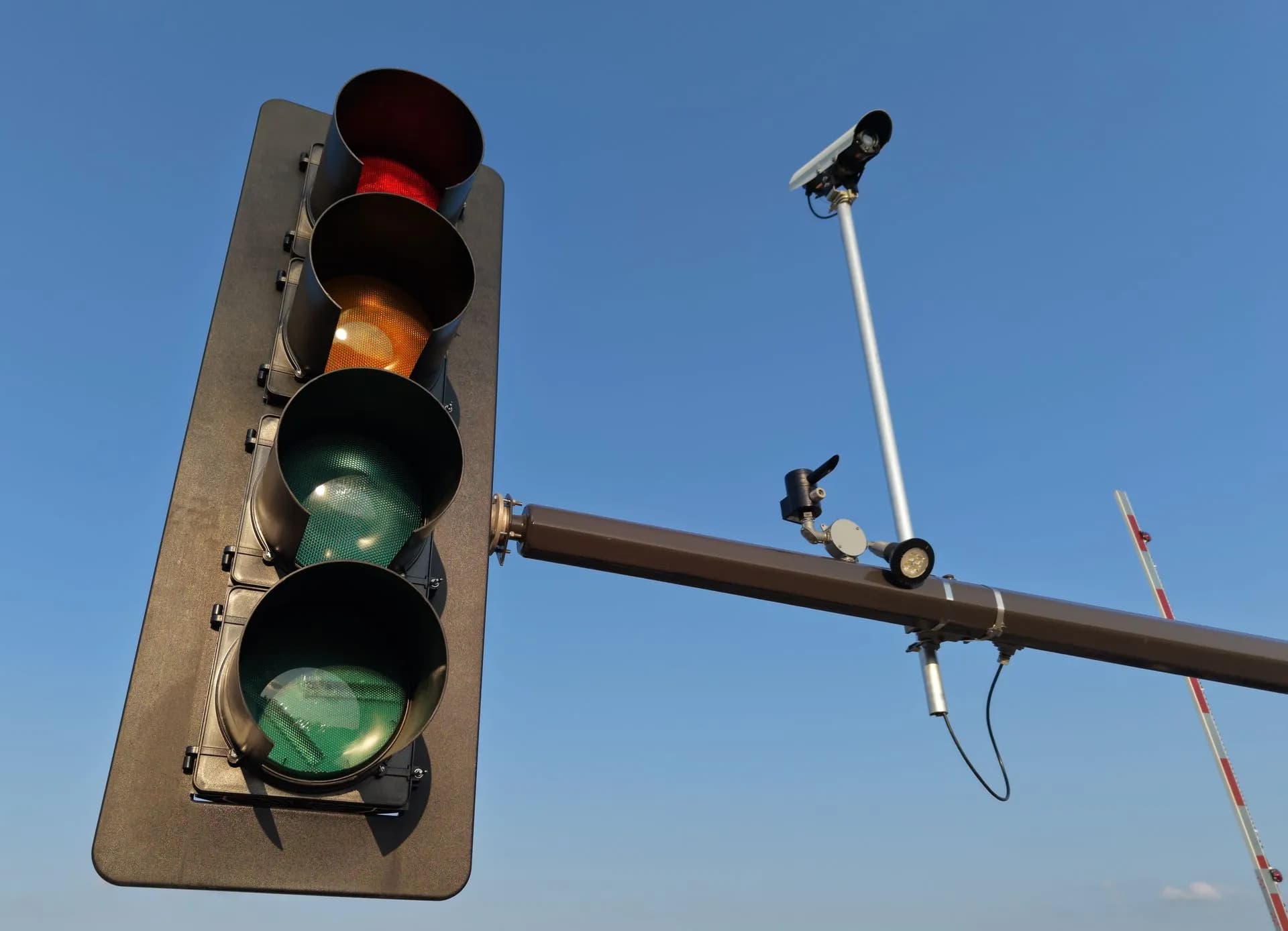
Flock Safety, the startup behind one of the largest networks of automatic license plate readers (ALPRs) in the United States, is facing pressure from a federal court and from lawmakers in both parties. ALPRs are cameras that photograph passing vehicles and log their plates, locations and times into a searchable database.
In a ruling reported by TechCrunch on October 3, 2026, Judge Sara Hill of the U.S. District Court for the Northern District of Oklahoma found that a sheriff's deputy violated the Fourth Amendment by searching Flock's database without a warrant. According to TechCrunch, the deputy had no apparent reason for the search other than the driver's California plate, then used her travel history to justify searching her car, where 91 pounds of methamphetamine was allegedly found. The judge ordered evidence obtained after the Flock search suppressed. Judge Hill wrote that the system is "a type of indiscriminate mass surveillance." TechCrunch described it as among the first federal rulings to find a Flock search unconstitutional.
In Congress, Sen. Josh Hawley (R-Mo.) introduced the Stop Flock Abuse Act on Wednesday, September 30, 2026, The Record reported. The bill would prohibit selling plate data to third parties, shield driver data from public records requests, require written approval before searches, mandate supervisor audits, cap retention at 10 days and block facial recognition on the cameras.
Two days later, on Friday, October 2, Sen. Bernie Sanders (I-Vt.) introduced the broader Ban Flock Act with Sen. Jeff Merkley (D-Ore.) and Rep. Alexandria Ocasio-Cortez (D-N.Y.). According to TechCrunch, it would bar federal agencies from using ALPRs or accessing plate data collected by local police and private companies, with narrow exceptions such as toll collection. States and cities that do not comply would lose grants from five federal departments, including Justice and Homeland Security. The Record reported the bill would also let Americans sue if their rights are violated. Despite its name, the bill covers all ALPR systems.
Flock said it "strongly supports legislation establishing guardrails," according to The Record. TechCrunch reported that Flock operates about 120,000 cameras and is valued by investors at more than $8 billion; The Record noted a security researcher, Joshua Michael, counted about 300,000 Flock devices, a figure that conflicts with the company's count. TechCrunch reported Flock has adopted a default seven-day retention period and audit tools that flag unusual searches.
The numbers
- Flock cameras (company figure, per TechCrunch)
- About 120,000
- Devices counted by researcher Joshua Michael
- About 300,000
- Investor valuation
- More than $8 billion
- Retention cap in Hawley bill
- 10 days
- Flock default retention
- 7 days
Why CEOs should care
For city managers, police chiefs and any organization feeding plate data into Flock, the Oklahoma ruling is a practical warning: searches without a warrant or clear cause may be challenged and the evidence thrown out. Customers should review who can search, what justification is logged, and whether their policies would survive a similar challenge in their own federal district.
For general counsels and CFOs, the bills change contract risk even before they pass. Neither bill is law. But the Ban Flock Act would put federal grants on the line for noncompliant local governments, and the Hawley bill would ban selling data to third parties. Contracts signed now should include exit terms if federal rules change, along with clear language on data ownership, retention and deletion.
For boards and investors in surveillance and public-safety tech, opposition now spans both parties. A business whose growth depends on public agencies is exposed to that kind of political shift, and buyers will ask vendors to prove oversight features work, not just promise them.
The bigger picture
TechCrunch reported that Flock has faced contract cancellations and a suspension by the Los Angeles Police Department, and that chief executive Garrett Langley has called for a compromise between privacy and safety. The disputed camera count matters too: if the network is larger than the company says, lawmakers' concerns about scale gain weight.
Plate readers sit in a gray zone of Fourth Amendment law, because each photo is taken in public but the combined record can map a person's movements over time. A single district ruling does not bind other courts, but it gives defense lawyers a template.
What’s next
Watch whether either bill gets a committee hearing or co-sponsors from the other party, whether prosecutors appeal the Oklahoma ruling, and whether more agencies pause or cancel Flock contracts. Flock's response to the conflicting device counts is also worth tracking.
What “Fact-checked” means
Fact-checking means testing a story’s facts against the evidence before it is published. This story went through at least two separate checks before this version was published.
- What we checked
- Its names, figures, dates, job titles, quotes and who said what were checked against the story’s sources, including its main source where it could be opened. The headline was checked for accuracy and overstatement.
- How
- A first check reviewed the whole story. If it passed, a second, skeptical check went back to the sources to look for mistakes in the most important facts. If a check flagged the story, it was edited to fix the problems found, and a separate re-check then reviewed the whole story again.
- Who
- The checks are made by our newsroom, as steps kept separate from the writing, under rules set by our editor, Hussein Mukhtar. A story the checks still flag is held for the editor, who decides whether it is fixed, published or dropped.
- If something is wrong
- “Fact-checked” does not mean error-free. If a material error is found after publication, we correct the story and add a note saying what changed. Report an error