The news
Protego Ventures, an Israeli venture firm dedicated to defense technology, has closed its debut fund at $125 million in capital commitments, TechCrunch reported exclusively on September 29, 2026. The fund backs startups addressing defense and security needs in Israel and abroad.
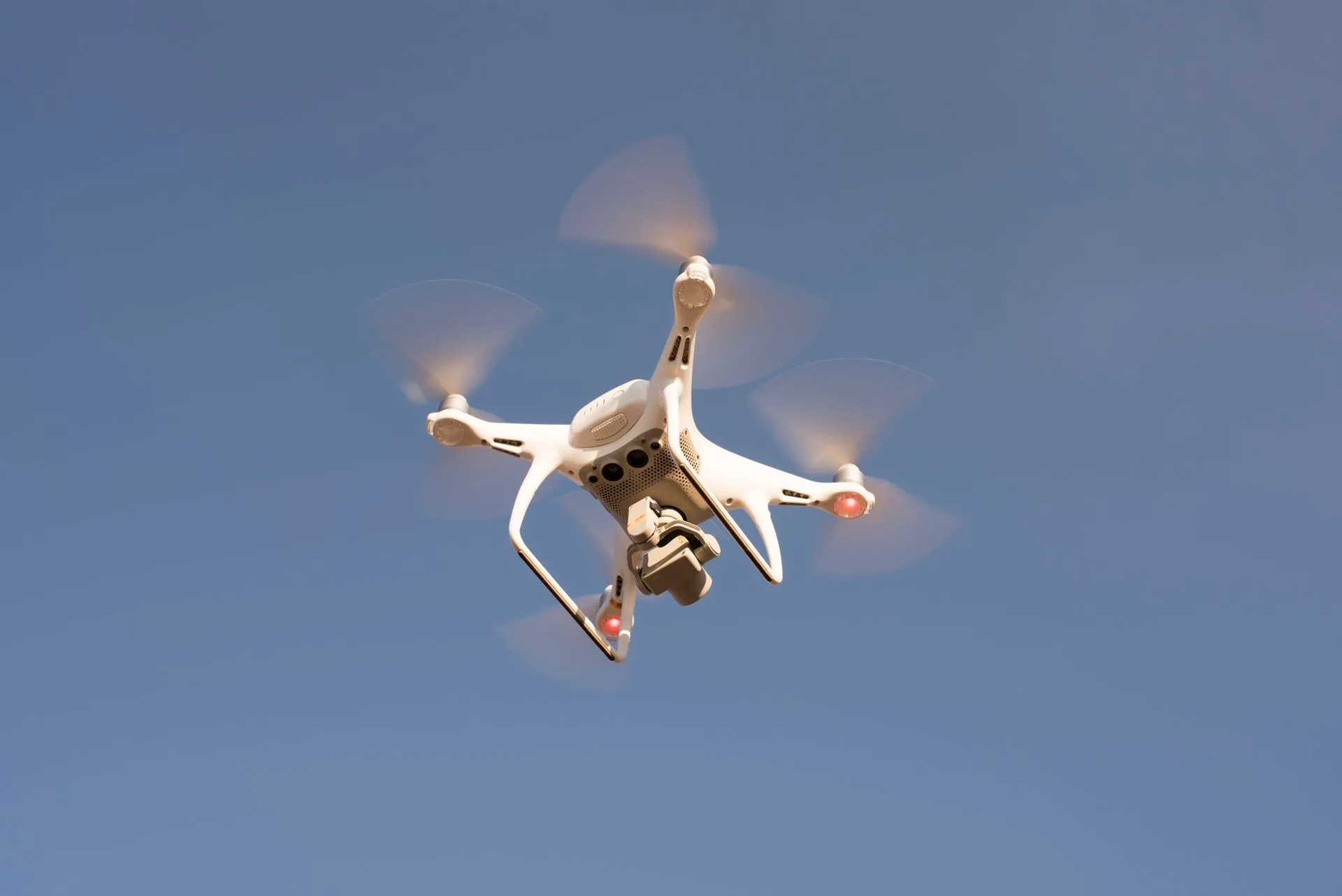
The total came in below the firm's $150 million target, and TechCrunch reported that this was a choice rather than a shortfall. According to the outlet, keeping the fund small means one standout investment moves overall returns more, and drone maker XTEND, Protego's first portfolio company, now looks like it could be a single investment big enough to pay back the whole fund. "Nobody wants to share the pie," co-founder Lital Leshem told TechCrunch.
Protego invests between $5 million and $15 million per company, according to TechCrunch, which noted that the firm describes itself as the first and largest dedicated defense tech venture firm in Israel. TechCrunch reported that XTEND went public on the New York Stock Exchange earlier in September 2026. The portfolio also includes ASIO, a developer of situational awareness systems that has partnered with Anduril, the outlet said. Protego's own website also highlights press coverage of its backing of defense startup Rilian in a $17.5 million seed round in April 2026.
Leshem co-founded the firm with Lee Moser, a venture capitalist who will remain a managing partner at the generalist firm AnD Ventures, according to TechCrunch. Leshem has 11 years of experience in the military and intelligence field, the outlet reported. She was a co-founder of Carbyne, an emergency-call software company that Axon (AXON) agreed in November 2025 to acquire for $625 million in cash, according to Calcalist's technology site Ctech, which reported that she had not been active at Carbyne since 2017.
Ares Management (ARES) is among Protego's largest backers, according to TechCrunch. The outlet reported that Ares committed $30 million as a limited partner, or outside investor in the fund, which let Protego begin investing right away. Ares suggested that Leshem and Moser start the firm together after the October 7, 2023, Hamas attack on Israel, according to the outlet.
The numbers
- Debut fund final close
- $125 million in commitments
- Original fund target
- $150 million
- Check size per company
- $5 million to $15 million
- Ares Management LP commitment
- $30 million
- Planned second fund
- First quarter of 2027
Why CEOs should care
For defense ministries, prime contractors and corporate security teams that buy from Israeli vendors, a specialist fund writing checks of $5 million to $15 million adds another source of capital for Israeli dual-use startups (companies whose products serve both military and civilian customers), though at that size, companies chasing large production contracts will still need bigger rounds, strategic partners or a buyer. Procurement leads should ask a startup vendor who its backers are, how much runway it has and whether its roadmap depends on future funding rounds. A vendor with specialist defense investors may be better placed to last through a contract, but it may also face pressure to expand quickly.
For corporate development teams and CFOs at defense and security companies, Protego's portfolio is a pipeline of potential partners and acquisition targets. The ASIO partnership with Anduril shows how Israeli startups are pairing with U.S. defense firms to reach buyers. Protego's plan to add early-growth American companies in its next fund also means more specialist capital competing for U.S. defense tech deals, which could push up prices for strategic investors and acquirers.
For boards and investment committees weighing commitments to defense tech funds, Protego's decision to stop short of its target is a lesson in concentration. As TechCrunch described it, XTEND now looks like it could be a fund maker, a single holding capable of returning the entire fund on its own. Limited partners should ask any manager how much of expected returns rests on one or two holdings, how and when those positions can be sold, and how exposed the portfolio is to a single government's spending.
The bigger picture
Protego's close lands during a busy stretch for defense investing. TechCrunch reported that defense tech venture dealmaking set a record in the first quarter of 2026, and that two venture firms, Adir Capital and Sling Capital, received about $33 million in Israeli state guarantees to back military and dual-use technologies. The outlet said several Israeli funds are now raising money for defense tech.
Protego's fundraising targets have shifted over time. In December 2024, Ctech reported that the firm had raised $70 million in two weeks and was aiming for $200 million, above an earlier $150 million goal. Ctech also reported at the time that Lux Capital, Sequoia, Andreessen Horowitz and 10D were active investors in Israeli defense tech, a sign of how crowded the segment has become.
What’s next
Protego plans to launch a second fund in the first quarter of 2027, backed by Israeli institutional investors and one large U.S. commitment that Leshem has already secured, according to TechCrunch. That fund will have a broader scope that includes early-growth American defense tech companies. In the meantime, XTEND's performance as a newly public company will be the clearest test of the thesis behind Protego's smaller first fund.
What “Fact-checked” means
Fact-checking means testing a story’s facts against the evidence before it is published. This story went through at least two separate checks before this version was published.
- What we checked
- Its names, figures, dates, job titles, quotes and who said what were checked against the story’s sources, including its main source where it could be opened. The headline was checked for accuracy and overstatement.
- How
- A first check reviewed the whole story. If it passed, a second, skeptical check went back to the sources to look for mistakes in the most important facts. If a check flagged the story, it was edited to fix the problems found, and a separate re-check then reviewed the whole story again.
- Who
- The checks are made by our newsroom, as steps kept separate from the writing, under rules set by our editor, Hussein Mukhtar. A story the checks still flag is held for the editor, who decides whether it is fixed, published or dropped.
- If something is wrong
- “Fact-checked” does not mean error-free. If a material error is found after publication, we correct the story and add a note saying what changed. Report an error