The news
Multiply Labs robotic manufacturing news: Multiply Labs Inc., which builds robots that automate drug production, announced a $75 million Series B on October 6, 2026, according to SiliconANGLE and Let's Data Science. The round was led by medical researcher and investor Patrick Soon-Shiong with his company NantWorks.
New investors include AstraZeneca (AZN), the industrial automation and test equipment maker Teradyne (TER), Lingotto and Strange Ventures, Let's Data Science reported. Returning backers include Casdin Capital, Lux Capital, Fifty Years, Ora Global and Founders Fund. The company has now raised more than $100 million in total. Its valuation was not disclosed.
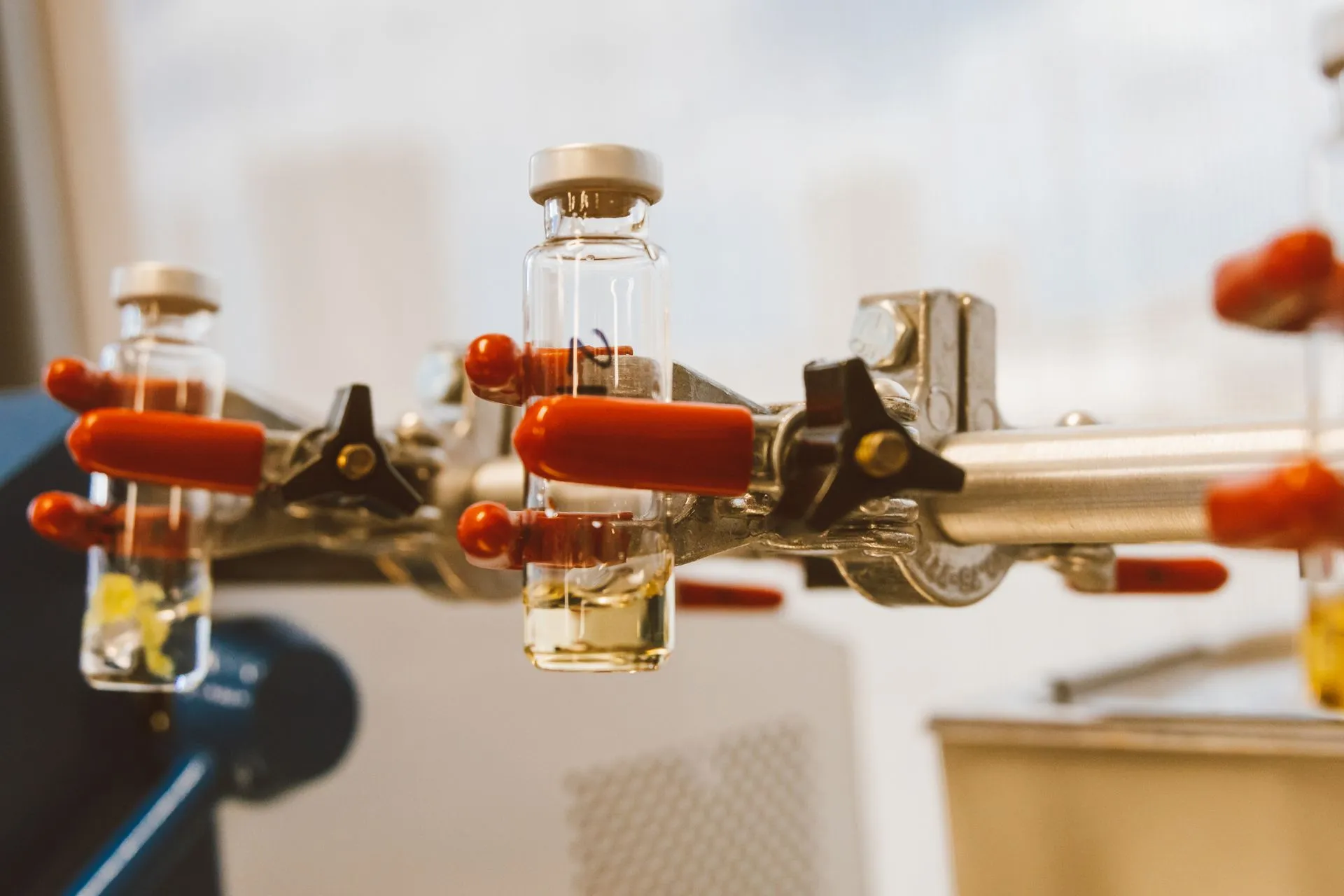
Multiply Labs, based in San Francisco, sells what it calls robotic clusters. According to SiliconANGLE, each cluster combines an enclosure holding manufacturing equipment with robotic arms, rails, elevators and AI software that manages the workflow. The robots move materials between stations and perform hands-on steps such as stirring vials and mixing containers, work that technicians usually do by hand.
The initial focus is cell and gene therapy, treatments made by modifying a patient's or donor's cells or genes. Production of these therapies is often manual and done in small batches under strict sterile conditions. Multiply Labs says its platform can raise manufacturing throughput by as much as 100 times and cut the cost per dose by 74% compared with manual methods. Those figures come from the company and have not been independently verified, Let's Data Science noted.
The company plans to use the funding to expand manufacturing capacity, add support for more therapy types and advanced biologics, and hire engineering, regulatory and commercial staff, according to the two reports.
The numbers
- Series B
- $75 million
- Total raised
- More than $100 million
- Claimed cost-per-dose reduction (company)
- 74%
- Claimed throughput gain (company)
- Up to 100 times
Why CEOs should care
Cell and gene therapies can be very expensive, and part of that cost comes from how they are made: skilled technicians performing manual steps in clean rooms, one batch at a time. That limits how many patients a manufacturer can serve and raises the cost of each dose. If automation lowers that cost, it affects pricing talks with payers, the economics of launching new therapies and how much clean-room space companies must build.
Biopharma operations and manufacturing leaders should ask how robotic systems are qualified with regulators, how a validated process transfers from manual to automated steps, and what happens to batch records and audit trails. CFOs weighing capital plans should compare the cost of automation clusters with the cost of building or leasing more clean-room capacity and hiring scarce technicians.
Boards at companies with cell or gene therapy pipelines should ask whether manufacturing, not science, is the real constraint on growth, and whether partnerships with automation vendors belong in the strategy. AstraZeneca investing directly signals that large drugmakers are watching this closely.
The bigger picture
Investment in robotics has picked up as AI improves how machines plan and adapt to tasks. Multiply Labs applies that trend to a regulated industry where errors are costly and processes are slow to change. Teradyne's participation ties the round to an established industrial automation player, while Soon-Shiong's lead brings an investor with deep roots in biotech.
What’s next
Watch for named manufacturing customers, regulatory filings that cite automated production, and evidence that the company's cost and throughput claims hold up in commercial settings.
What “Fact-checked” means
Fact-checking means testing a story’s facts against the evidence before it is published. This story went through at least two separate checks before this version was published.
- What we checked
- Its names, figures, dates, job titles, quotes and who said what were checked against the story’s sources, including its main source where it could be opened. The headline was checked for accuracy and overstatement.
- How
- A first check reviewed the whole story. If it passed, a second, skeptical check went back to the sources to look for mistakes in the most important facts. If a check flagged the story, it was edited to fix the problems found, and a separate re-check then reviewed the whole story again.
- Who
- The checks are made by our newsroom, as steps kept separate from the writing, under rules set by our editor, Hussein Mukhtar. A story the checks still flag is held for the editor, who decides whether it is fixed, published or dropped.
- If something is wrong
- “Fact-checked” does not mean error-free. If a material error is found after publication, we correct the story and add a note saying what changed. Report an error