The news
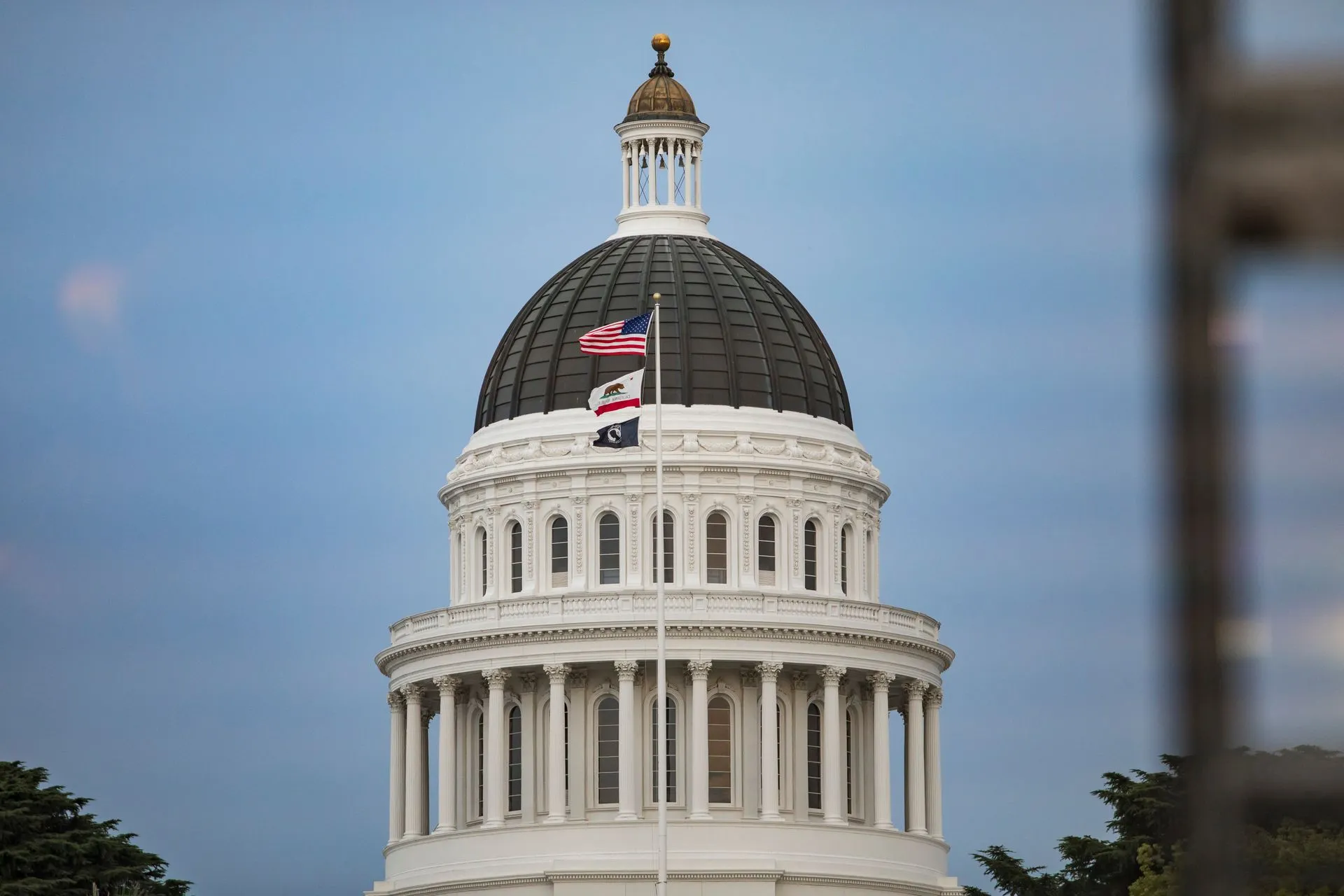
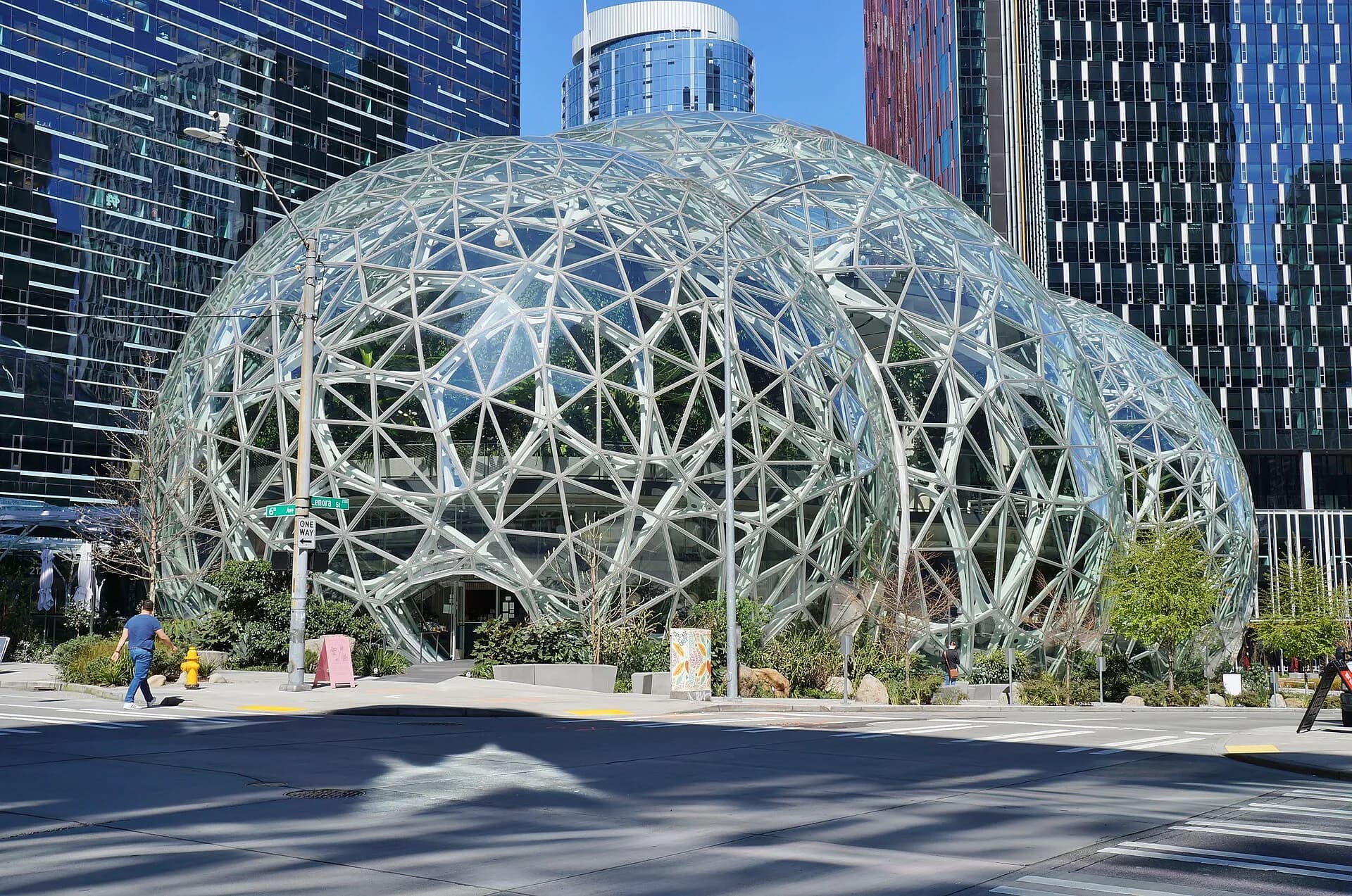
In Amazon v. Perplexity, the Ninth Circuit Court of Appeals on August 4, 2026, vacated an injunction that had barred Perplexity's Comet AI agent from shopping on Amazon.com, ruling that the user, not the agent's maker, is likely the one accessing the site.
The three-judge panel held that Amazon.com Services was unlikely to succeed on its claims under the Computer Fraud and Abuse Act (CFAA), the federal anti-hacking law, or California's Comprehensive Computer Data Access and Fraud Act (CDAFA). Circuit Judge Milan D. Smith Jr. wrote the opinion, joined by Circuit Judge Eric C. Tung and District Judge John Charles Hinderaker of Arizona. The court sent the case back to the U.S. District Court for the Northern District of California.
Amazon (AMZN) sued Perplexity AI in November 2025. District Judge Maxine M. Chesney granted a preliminary injunction in March 2026, which law firm Cooley dated to March 9, and a motions panel of the Ninth Circuit later stayed it pending appeal. According to the opinion, Amazon had told Perplexity's chief executive before Comet launched that its AI products were not permitted on the Amazon Store. The dispute centered on Perplexity's decision not to use a user-agent string, a label that would tell Amazon an AI agent was active and let it block the agent.
The ruling turned on how Comet works. When a user asks its Assistant to find an item, the agent takes screenshots of the browser on the user's own computer, sends them to Perplexity's servers and gets navigation instructions back. Perplexity's servers never talk directly to Amazon's. The court read the statute as targeting a person who accesses a computer and concluded the Assistant is a tool, not a person, so the access belongs to the user.
The panel also found Amazon's evidence of harm thin, including claims that the agent might not pick the best price or delivery option, and it called Amazon's cybersecurity evidence limited. It said blocking conduct that likely breaks neither law would hurt consumer choice and hold back an emerging technology. The judges stressed the limits: the opinion creates no new legal regime for agentic AI, does not decide whether Perplexity could be liable under other theories such as tort claims, and does not impair Amazon's ability to regulate access through its terms of service.
The numbers
- Opinion date
- August 4, 2026
- Case number
- No. 26-1444 (9th Cir.)
- Oral argument
- June 11, 2026, Seattle
- CFAA civil claim loss threshold
- $5,000 in a one-year period
Why CEOs should care
For retailers, marketplaces, travel sites and any business with logged-in customers, the CFAA is now a weaker gate against outside AI agents in the Ninth Circuit, at least on facts like these. General counsels should review terms of service now: the court noted that Amazon can still regulate access through its terms, and Cooley pointed to contract and tort theories as routes still open. Ask whether your terms explicitly address automated agents acting for logged-in users, and whether you can enforce them.
For companies building or buying agentic commerce tools, architecture matters. The court relied on Comet routing everything through the user's computer and left open whether, on a different record, a company could control its agent closely enough to be the one accessing a site. Cooley said agents that do not relay through the user's computer, such as those whose servers talk straight to a website, pose greater risk. Product and legal teams should document exactly how their agents connect to third-party sites. For CISOs on the platform side, agent traffic that does not identify itself will keep arriving, so invest in detection, step-up authentication for purchases and account changes, and clear customer guidance on handing credentials to agents.
For boards and CFOs at platform companies, the business risk is being bypassed. The Next Web argued that agents which skip sponsored placements threaten the advertising economics behind retail media. Amazon reported $19.8 billion in advertising services revenue for the second quarter of 2026. Boards should ask how much revenue depends on customers seeing the company's own pages, and how an agent-first shopping pattern would change that.
The bigger picture
The case is an early test of who controls agentic commerce. Amazon is building its own agent: on July 30, 2026, it said it had combined Rufus and Alexa+ into Alexa for Shopping, an agentic assistant with features such as Auto-Buy. The appeal drew friend-of-the-court briefs from groups including the American Civil Liberties Union, the Electronic Frontier Foundation and Mozilla, the Software and Information Industry Association, the National Retail Federation, Digital Content Next, the News/Media Alliance and Airlines for America, a sign of how many industries have a stake in the answer.
What happened next
The Next Web reported on August 5, 2026, that Amazon said it remained confident and was weighing its options, which the outlet said included seeking a rehearing or going to the Supreme Court. On September 10, 2026, Courthouse News reported that the Ninth Circuit had denied Amazon's request for rehearing en banc, with no judge asking for a vote, leaving the panel decision in place.
The underlying lawsuit continues in the district court. Watch for whether Amazon asks the Supreme Court to take the case, whether it shifts toward contract or terms-of-service claims, and whether other platforms change how they detect and label AI agents.
What “Fact-checked” means
Fact-checking means testing a story’s facts against the evidence before it is published. This story went through at least two separate checks before this version was published.
- What we checked
- Its names, figures, dates, job titles, quotes and who said what were checked against the story’s sources, including its main source where it could be opened. The headline was checked for accuracy and overstatement.
- How
- A first check reviewed the whole story. If it passed, a second, skeptical check went back to the sources to look for mistakes in the most important facts. If a check flagged the story, it was edited to fix the problems found, and a separate re-check then reviewed the whole story again.
- Who
- The checks are made with our newsroom’s technology tools, as steps kept separate from the writing, under rules set by our editor, Hussein Mukhtar. A story the checks still flag is not published automatically; it is held for the editor, who decides whether it is fixed, published or dropped.
- Archive story
- It was written after the event. Its dates were checked against the date of the event, including the dates of any later developments it reports.
- If something is wrong
- “Fact-checked” does not mean error-free. If a material error is found after publication, we correct the story and add a note saying what changed. Report an error
Companies in this story