The news
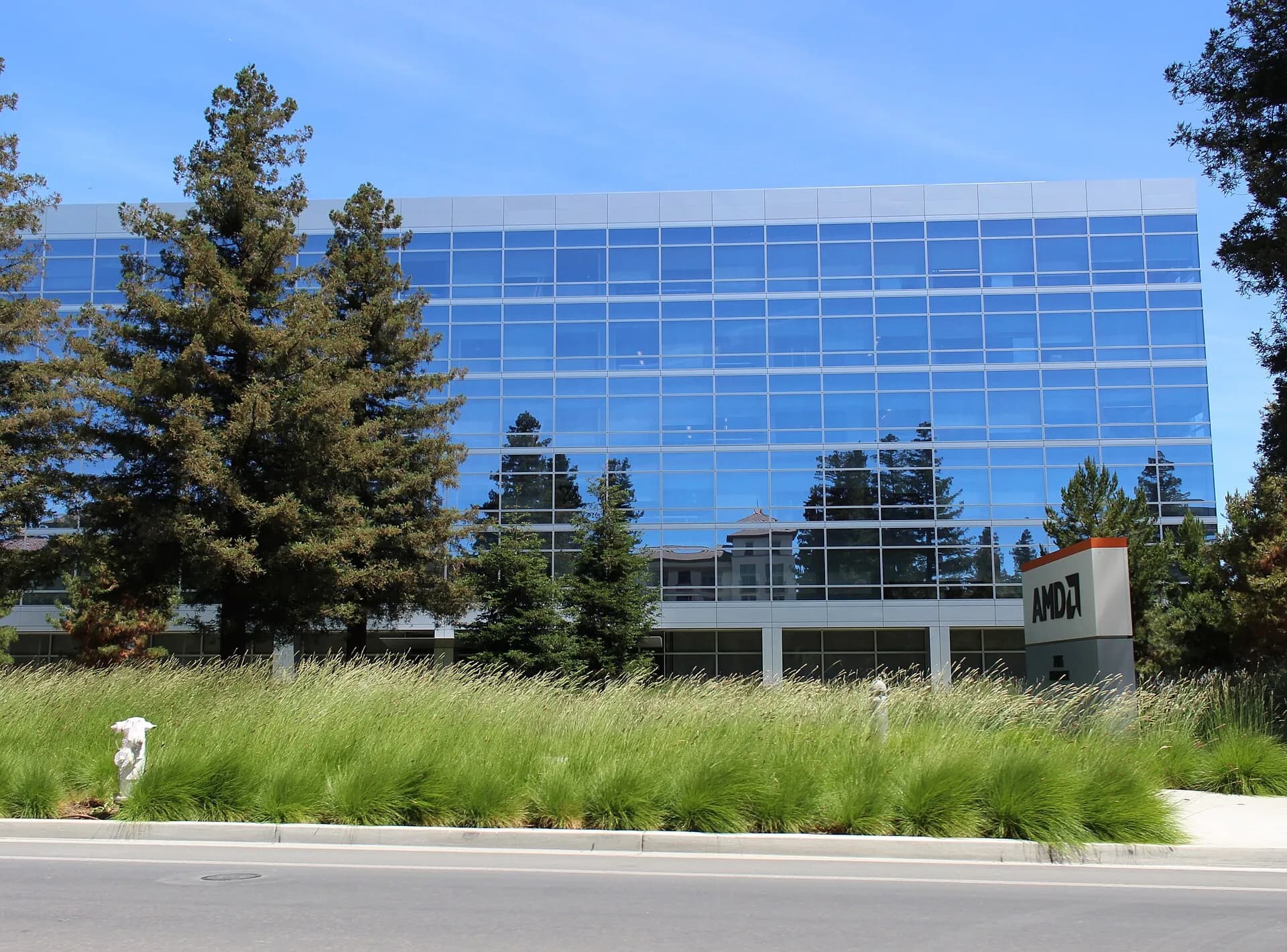
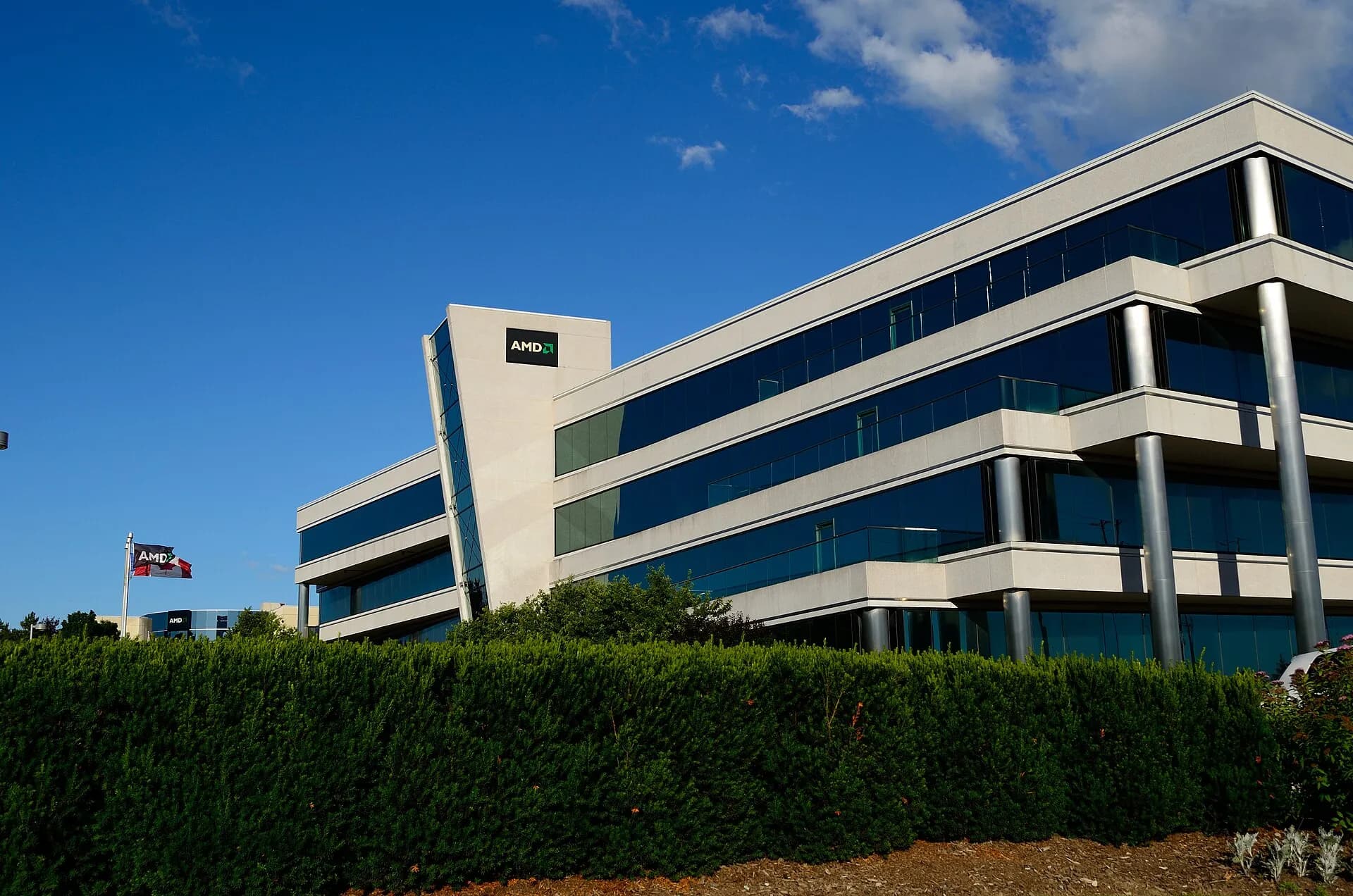
On August 6, 2026, Advanced Micro Devices (AMD) reached a definitive agreement to acquire Taalas, a Toronto startup that builds specialized AI inference chips. Terms of the AMD Taalas acquisition, which aims to strengthen AMD's hardware for running AI models in production, were not disclosed.
In its announcement, AMD said Taalas' technology streamlines how data flows through inference work and eases compute and memory bottlenecks that general-purpose chips face. Inference is the stage where a trained model answers requests, as opposed to training, when the model is built. AMD said the deal is subject to customary closing conditions and regulatory approvals.
Taalas was founded in 2023 and is headquartered in Toronto, according to AMD, which said the deal reflects a commitment to retaining and growing Canadian talent. Co-founder and CEO Ljubisa Bajic previously co-founded and led AI chip company Tenstorrent, BetaKit reported. SiliconANGLE reported that Taalas raised $169 million in February 2026 from investors including Quiet Capital, Fidelity and Pierre Lamond, bringing its total funding to about $219 million.
The startup's approach is unusual. Rather than loading a model's weights, the learned parameters that define it, from separate high-bandwidth memory, Taalas etches them into the chip itself, The Register reported. Its first test chip, HC1, ran Meta Platforms' (META) Llama 3.1 8B model at close to 17,000 tokens per second, according to SiliconANGLE. A token is a small chunk of text that a model reads or writes. The trade-off, The Register noted, is that a deployed chip is tied to one model, and changes larger than a small add-on adapter require a new version of the chip.
AMD said it plans to build system-level products that pair Taalas technology with its Instinct GPUs, adding to a platform that includes Helios rack-scale systems, EPYC processors and ROCm software. Vamsi Boppana, senior vice president of AMD's Artificial Intelligence Group, said the Taalas team adds "differentiated inference performance and efficiency." The Taalas team will join Boppana's organization, EE Times reported. Bajic said joining AMD would give Taalas the size and reach to speed up its work.
The numbers
- Deal value
- Not disclosed
- Taalas founded
- 2023, Toronto
- Taalas funding round, February 2026 (SiliconANGLE)
- $169 million
- Taalas total funding raised (SiliconANGLE)
- About $219 million
- HC1 test chip speed on Llama 3.1 8B (SiliconANGLE)
- Close to 17,000 tokens per second
Why CEOs should care
For technology buyers, the deal signals that AMD intends to sell more than general-purpose GPUs for inference. Model-specific chips can be very fast for the model they carry, but that model is effectively locked into the hardware. Anyone planning inference capacity should ask vendors of this kind of silicon which models will be offered, how quickly a new model version can be supported and what a re-spin costs. Taalas has claimed it can launch new chips in about two months, BetaKit reported, a claim worth testing against written delivery commitments.
For CFOs, the metric that matters is cost per token, the unit that drives inference bills. Taalas has pitched its design as faster and far more power-efficient than GPUs for the model it runs, according to SiliconANGLE, which could suit high-volume workloads that rarely change, while GPUs remain the flexible option for models that change often. With no price disclosed, there is no signal yet on how AMD will price the technology. CISOs and risk teams should note that when weights are fixed in silicon, only small adjustments can be made without new chips, per The Register, so they should ask how safety or behavior fixes would be delivered over the hardware's life.
Boards should read the deal as part of a wider supplier race. AMD is assembling a full stack of chips, systems and software to compete with Nvidia (NVDA), and each purchase changes what a long-term AMD commitment includes. Directors overseeing large AI infrastructure contracts should ask management whether those contracts allow mixing GPUs with specialized inference hardware as the options mature.
The bigger picture
The deal extends a run of AI purchases at AMD. SiliconANGLE counted Taalas as AMD's third AI acquisition in nine months, after MK1 in November 2025 and memory optimization startup Mext in June 2026, with the FastFlowLM team joining in July. In 2025, AMD also struck a deal to acquire the team behind another Toronto startup, Untether AI, BetaKit reported.
Rivals are chasing the same inference market. Nvidia agreed in December 2025 to license inference technology from startup Groq in a deal reported at $20 billion, according to SiliconANGLE. The Register suggested AMD could split work inside Helios racks, with GPUs processing prompts and Taalas-based accelerators generating the output tokens, separating the two phases of inference.
What happened next
As of September 29, 2026, neither AMD nor Taalas had announced that the acquisition had closed, based on the company pages reviewed for this story. The Register reported on August 6 that, subject to regulatory approval, the deal was expected to close in the fourth quarter of 2026.
Watch for a closing announcement, any disclosure of the purchase price in AMD's filings, and the first AMD product roadmap that names Taalas technology. Buyers should also track Taalas' second chip, HC2, which targets models of around 20 billion parameters, according to SiliconANGLE.
What “Fact-checked” means
Fact-checking means testing a story’s facts against the evidence before it is published. This story went through at least two separate checks before this version was published.
- What we checked
- Its names, figures, dates, job titles, quotes and who said what were checked against the story’s sources, including its main source where it could be opened. The headline was checked for accuracy and overstatement.
- How
- A first check reviewed the whole story. If it passed, a second, skeptical check went back to the sources to look for mistakes in the most important facts. If a check flagged the story, it was edited to fix the problems found, and a separate re-check then reviewed the whole story again.
- Who
- The checks are made with our newsroom’s technology tools, as steps kept separate from the writing, under rules set by our editor, Hussein Mukhtar. A story the checks still flag is not published automatically; it is held for the editor, who decides whether it is fixed, published or dropped.
- Archive story
- It was written after the event. Its dates were checked against the date of the event, including the dates of any later developments it reports.
- If something is wrong
- “Fact-checked” does not mean error-free. If a material error is found after publication, we correct the story and add a note saying what changed. Report an error