The news
President Donald Trump launched America.gov on Tuesday, September 29, a chatbot-led website meant to be a single front door to federal information and services. He also signed an executive order requiring agencies to connect their biggest online services to it.
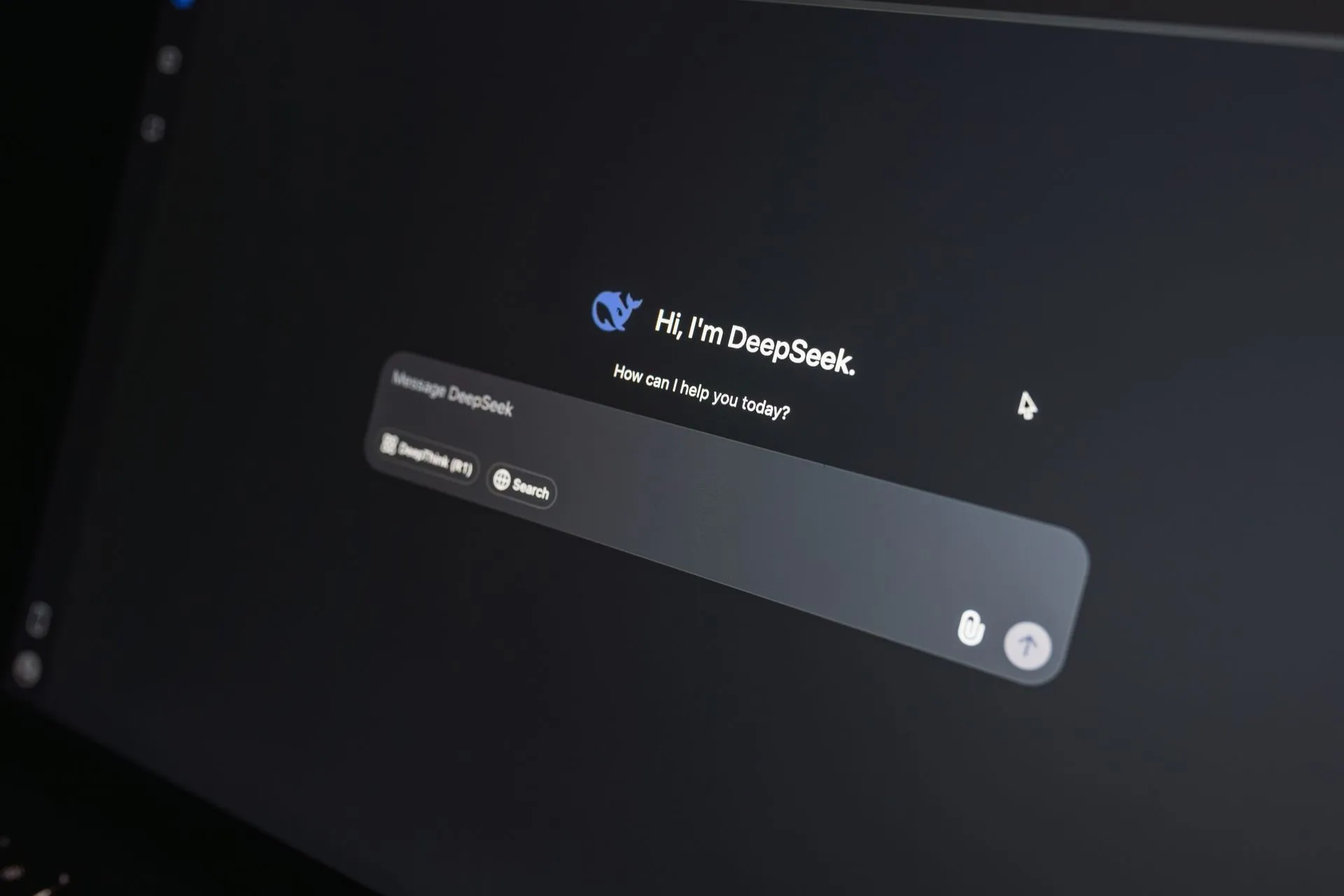
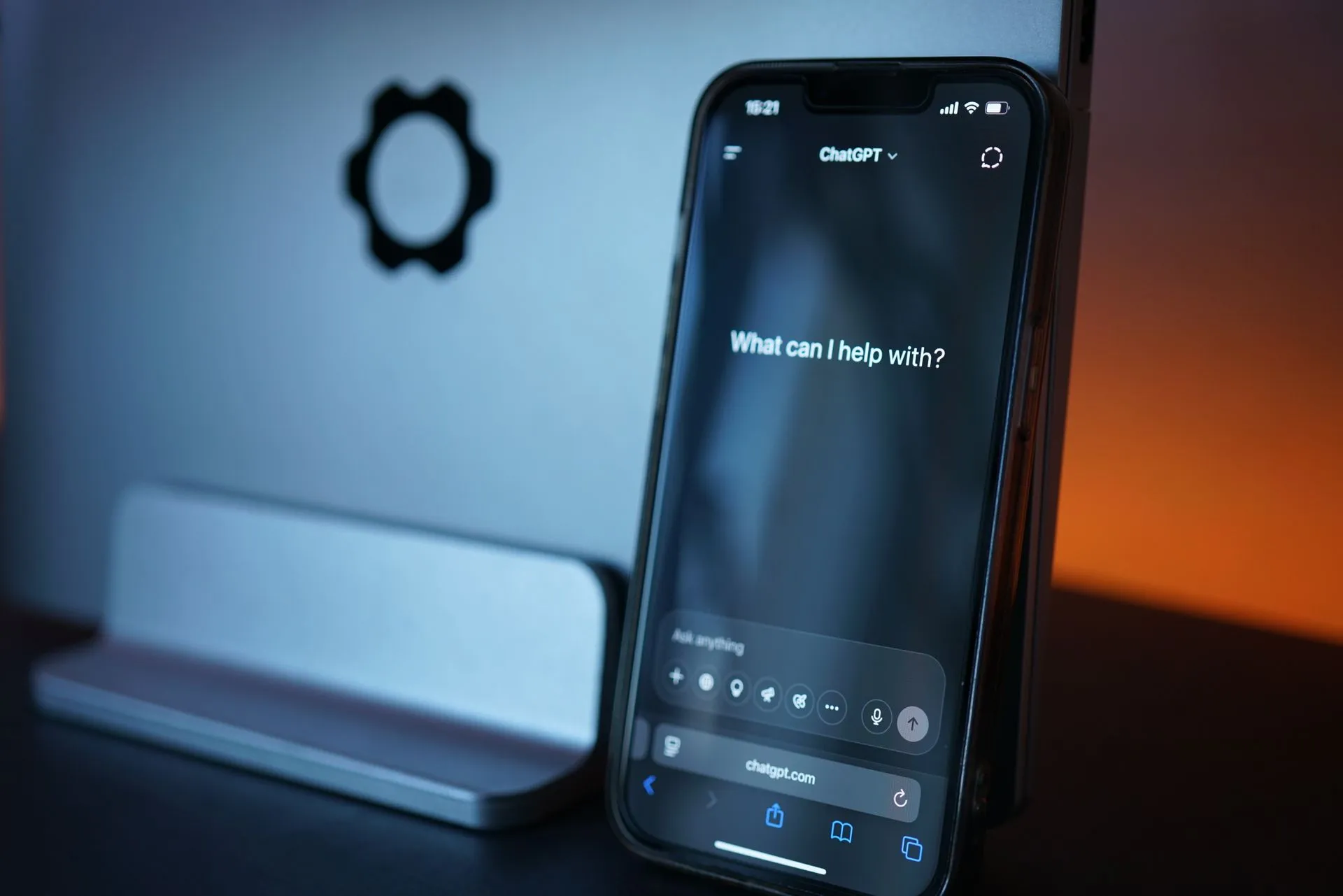
U.S. Chief Design Officer Joe Gebbia told CNBC that the chatbot runs on Google's Gemini and Grok. Alphabet's (GOOGL) Google confirmed in a blog post that it is a technology partner and said Gemini would help more than 100 million people reach public resources. Grok's developer, xAI, was acquired by SpaceX and renamed SpaceXAI, according to CNBC, which reported that the company did not respond to a request for comment. CNBC also noted that Gebbia sits on the board of Tesla (TSLA), which owns a stake in SpaceXAI.
Gebbia said the tool scans roughly 29,000 government websites and answers only from official sources, adding that there is “no chance of getting outdated or inaccurate information.” Washington Technology reported that people can ask about topics such as Medicare eligibility, jobs and passport renewal without creating an account.
Much of the promised functionality is not live yet. The Register reported that the chatbot refers users to other websites, and that advertised tasks, including comparing medication costs, updating a legal name and applying for a passport, were marked as coming in 2027. The White House fact sheet said passport renewal and Medicare enrollment would arrive later in 2026, and Washington Technology reported that Secretary of State Marco Rubio's presentation put passport applications in December 2026. A second phase planned for early 2027 is meant to let people apply for and track benefits such as Social Security, the outlet reported.
The executive order defines covered services as public-facing federal services with more than 100,000 users in a 12-month period that can be used online. It excludes Internal Revenue Service tax filing and services of the Department of War and intelligence agencies. The General Services Administration will run the site with the National Design Studio and the Office of Management and Budget (OMB), using Login.gov for sign-in. OMB must issue implementation guidance within 90 days. The order also says America.gov must not become the only way to reach services and must not create a central federal file on Americans.
Privacy statements did not fully align. The Register reported that the site's privacy policy says its AI partners operate under zero data retention agreements, but that approximate area information may be sent to AI providers, while a White House spokesperson told the outlet no user messages are transmitted to Gemini or Grok. Washington Technology reported that the privacy page says the site does not save conversations or use specific locations. The sources do not explain how these statements fit together.
The numbers
- Government websites the chatbot draws on, per Gebbia
- About 29,000
- User threshold for covered services
- More than 100,000 in 12 months
- Deadline for OMB implementation guidance
- Within 90 days of September 29
- Daily visitors to government websites, per Gebbia
- About 40 million
- People Google says Gemini will help
- More than 100 million
Why CEOs should care
For companies that build or run federal digital services, the order starts a clock. Agencies must identify covered services, expose the application programming interfaces (APIs), dashboards and forms behind them to America.gov, and finish Login.gov integration. Contractors should ask their agency customers now which systems qualify, who funds the integration work (the order is subject to available appropriations) and what standards OMB's memo will impose.
For executives deploying customer-facing chatbots, this is the largest public test yet of the pattern many companies are copying: answers drawn only from approved sources, no account required, and no-retention contracts with model providers. It also shows the risk of mixed messages. When the privacy policy, a spokesperson and the design chief describe data flows differently, trust suffers. Before launch, publish one plain description of what reaches the model vendor, what is stored and for how long.
CISOs and privacy officers should note the concentration risk. A single sign-in and a single conversational entry point for Medicare, passports and other benefits would make an attractive target. Ask how prompts are routed, where the models run, and how the system would contain a bad answer about a deadline or eligibility before it causes harm.
The bigger picture
The launch will shape how agencies buy AI and how much error they tolerate. TechCrunch warned that large language models remain prone to hallucinations, and that a wrong answer about food stamps, visas or taxes could mean missed deadlines or denied benefits. Washington Technology noted that Grok faced backlash in 2025 over sexualized deepfakes, and quoted former U.S. Digital Service administrator Mikey Dickerson saying the site is not a big leap over earlier one-stop portals. Early public probing has found surprises: TechCrunch reported that asking about Minecraft triggers a roughly 1,800-word rewrite of the game's End Poem, an easter egg rather than a glitch, the outlet said.
What’s next
Watch for OMB's implementation memo, due within 90 days of the September 29 order, and for the list of services agencies designate as covered. The passport application launch planned for December 2026 and the benefits phase planned for early 2027 will be the first real tests of whether America.gov can complete transactions, not just answer questions.
What “Fact-checked” means
Fact-checking means testing a story’s facts against the evidence before it is published. This story went through at least two separate checks before this version was published.
- What we checked
- Its names, figures, dates, job titles, quotes and who said what were checked against the story’s sources, including its main source where it could be opened. The headline was checked for accuracy and overstatement.
- How
- A first check reviewed the whole story. If it passed, a second, skeptical check went back to the sources to look for mistakes in the most important facts. If a check flagged the story, it was edited to fix the problems found, and a separate re-check then reviewed the whole story again.
- Who
- The checks are made by our newsroom, as steps kept separate from the writing, under rules set by our editor, Hussein Mukhtar. A story the checks still flag is held for the editor, who decides whether it is fixed, published or dropped.
- If something is wrong
- “Fact-checked” does not mean error-free. If a material error is found after publication, we correct the story and add a note saying what changed. Report an error
Companies in this story