The news
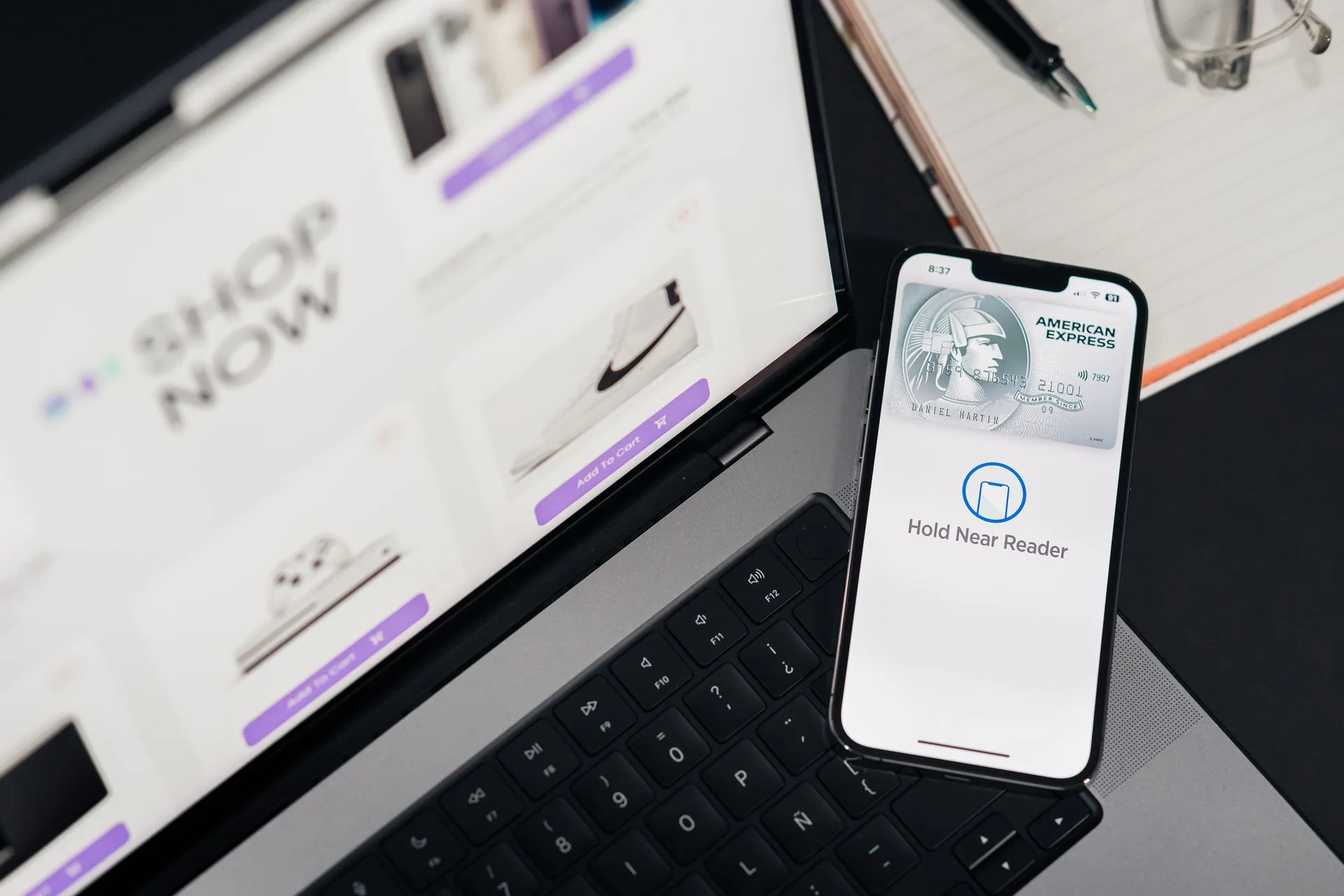
TikTok announced Buy Direct, a one-click checkout that lets users buy from a brand without leaving the app, and a conversational AI Shopping Assistant on October 5, 2026, at Advertising Week New York. The company grouped both under what it called agentic commerce tools for advertisers.
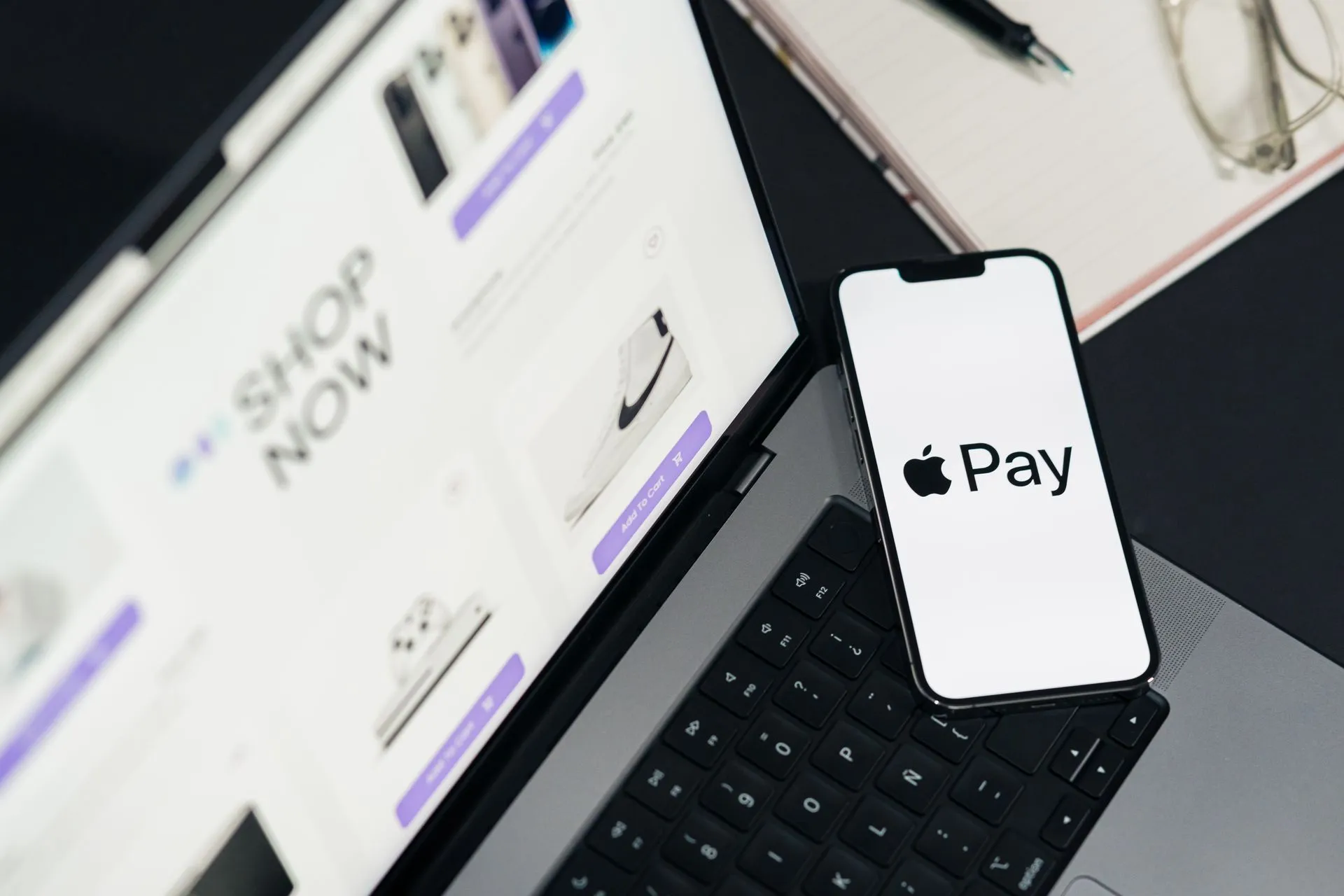
TikTok described Buy Direct as an in-app checkout that lets people purchase directly from a brand, and TechCrunch reported that shoppers can buy from their For You feed, the app's main recommendation stream. TikTok said it is building with commerce platforms and payment providers including Salesforce (CRM), Shopify (SHOP), Shoplazza and Stripe.
The Shopping Assistant is a conversational AI agent that guides users through a purchase, according to TikTok, which said it understands context, remembers user needs and finds products. TechCrunch reported that it gives real-time answers on product details, shipping, sizing and availability.
The shopping features came alongside a wider set of advertiser tools. TikTok also announced a Lead Agent for capturing and qualifying sales leads in direct messages and on advertiser websites, an expansion of the TikTok Ad Network to about 400,000 apps worldwide, automated search ad campaigns under its Smart+ brand and a TikTok for Business connector that works with AI assistants including Claude and Perplexity.
TikTok's announcement did not say when Buy Direct or the Shopping Assistant will be broadly available or in which markets. TikTok cited a PF Global economic impact report saying activity on TikTok helped generate $81 billion in GDP for US businesses, with 54 million Americans buying a product after watching a TikTok video.
TechCrunch reported that TikTok Shop generated about $15.8 billion in US sales in 2025, roughly 18% of US social commerce, and that putting checkout in the main feed lets TikTok keep shopping journeys inside its app rather than losing them to outside AI tools such as ChatGPT.
The numbers
- US GDP TikTok activity helped generate (PF Global report, cited by TikTok)
- $81 billion
- Americans who bought after a TikTok video (same report)
- 54 million
- TikTok Shop US sales in 2025 (TechCrunch)
- about $15.8 billion
- Share of US social commerce (TechCrunch)
- about 18%
- Apps in TikTok Ad Network expansion
- about 400,000
Why CEOs should care
For retail and e-commerce chiefs, Buy Direct moves the checkout, and the customer relationship that comes with it, closer to TikTok. Before turning it on, ask what customer data your brand receives after a Buy Direct purchase, who handles returns and service, and how attribution will compare with sales on your own site. Because TikTok is building on Shopify, Salesforce and Stripe, much of the integration may run through systems many brands already use.
For CMOs and CFOs, the timing matters heading into the holiday quarter. If shoppers can ask an AI assistant about sizing and shipping and pay in one tap, fewer of them may click through to retailer sites. Compare the margin on a Buy Direct sale, including any platform fees, with the cost of driving that same buyer to your own store, and set clear tests rather than shifting budget on promise alone.
For legal and risk teams, an AI agent that answers questions about products, shipping and availability speaks for the brand in practice. Ask TikTok which product data the Shopping Assistant draws on, how errors are corrected and who is liable if it gives a customer wrong information.
The bigger picture
Big platforms are racing to make AI agents the place where shopping starts and ends. TechCrunch framed TikTok's move partly as a defense against outside AI tools such as ChatGPT capturing product discovery. For brands, that means more checkout options inside apps they do not control.
TikTok's pitch to advertisers at Advertising Week leaned heavily on automation, from AI-generated ad creative to lead-qualifying agents and a connector for AI assistants. The shopping tools extend that same approach to the point of sale.
What’s next
TikTok has not published availability dates or markets for Buy Direct and the Shopping Assistant. Brands should watch for rollout details, fee terms and data-sharing policies from TikTok and its commerce partners before the holiday shopping season.
What “Fact-checked” means
Fact-checking means testing a story’s facts against the evidence before it is published. This story went through at least two separate checks before this version was published.
- What we checked
- Its names, figures, dates, job titles, quotes and who said what were checked against the story’s sources, including its main source where it could be opened. The headline was checked for accuracy and overstatement.
- How
- A first check reviewed the whole story. If it passed, a second, skeptical check went back to the sources to look for mistakes in the most important facts. If a check flagged the story, it was edited to fix the problems found, and a separate re-check then reviewed the whole story again.
- Who
- The checks are made by our newsroom, as steps kept separate from the writing, under rules set by our editor, Hussein Mukhtar. A story the checks still flag is held for the editor, who decides whether it is fixed, published or dropped.
- If something is wrong
- “Fact-checked” does not mean error-free. If a material error is found after publication, we correct the story and add a note saying what changed. Report an error
Companies in this story