
The news
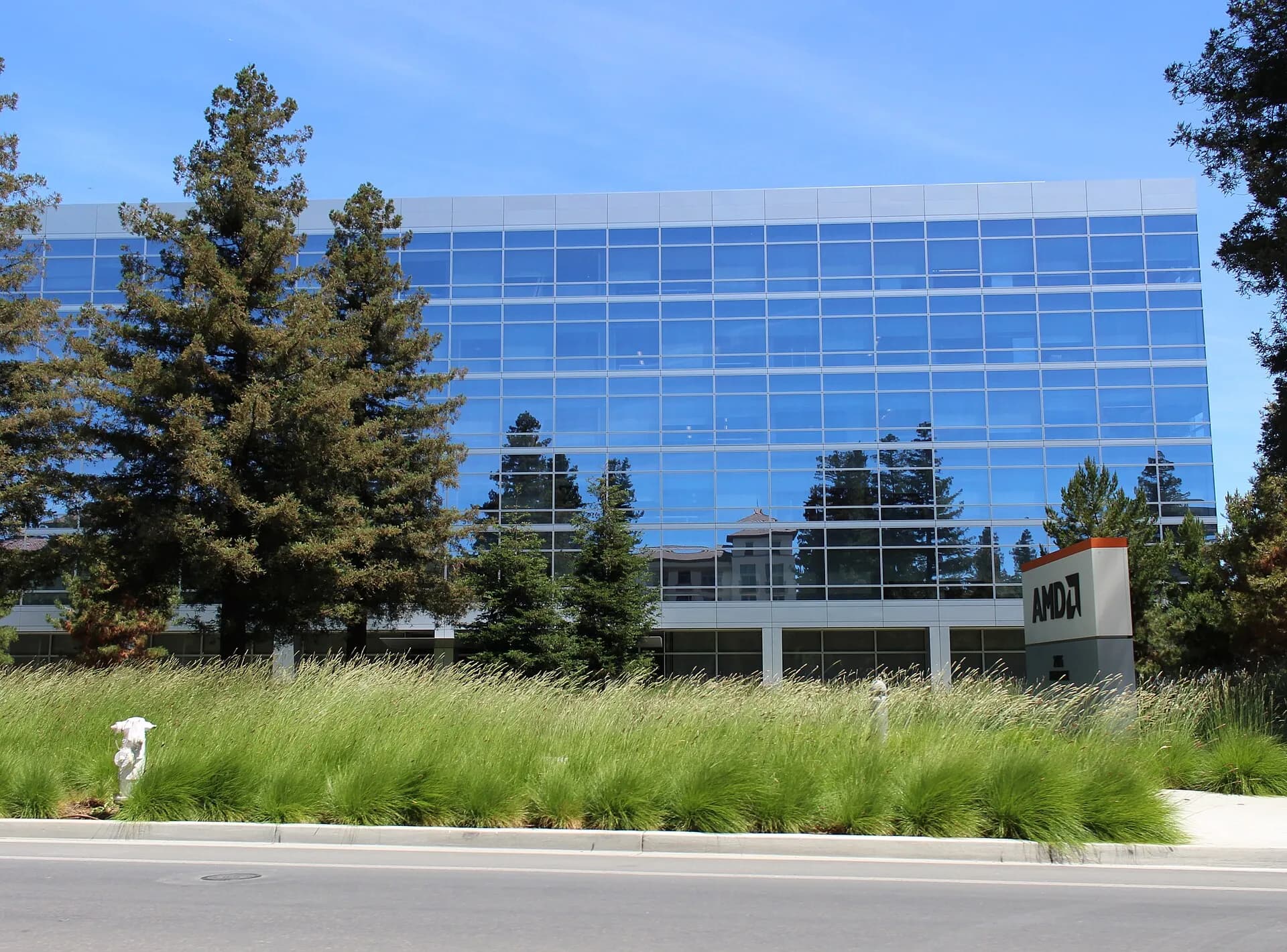
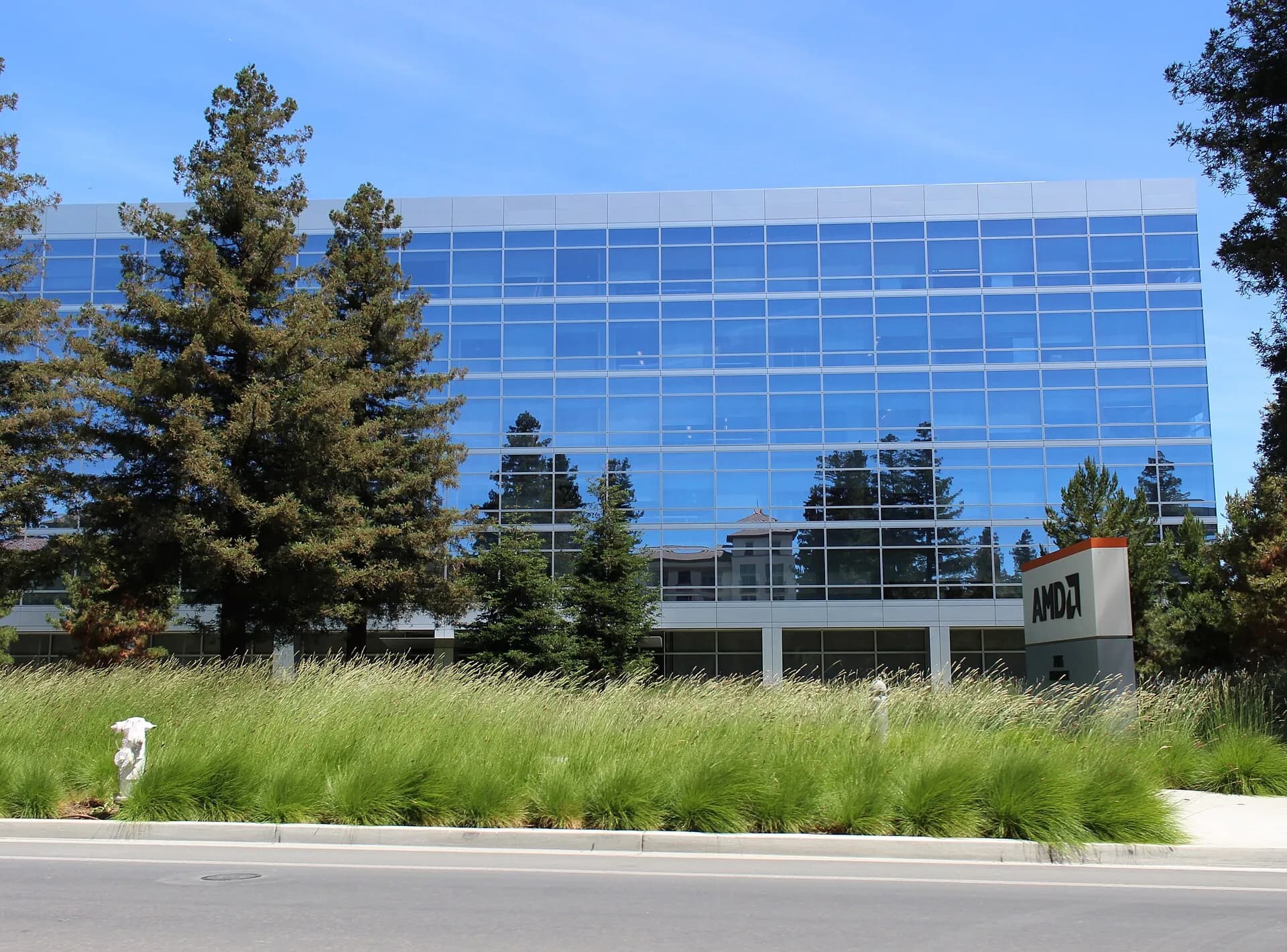
Google Cloud on September 28, 2026 made its Z4D VMs generally available, a storage-heavy family of virtual machines built on AMD processors for databases, search and vector workloads. Google says Z4D improves performance on such workloads by up to 40% over its previous Z3 generation.
Z4D VMs are available in select regions worldwide, Google said, while Z4D bare-metal instances, which give a customer a whole physical server, remain in preview and require contacting an account team. The announcement's headline describes the Z4D family as generally available, but the same post says only the VMs are available now. Google Cloud is part of Alphabet (GOOGL).
The machines run on 5th Gen EPYC processors, code-named Turin, from Advanced Micro Devices (AMD), paired with Google's Titanium hardware, which offloads storage processing from the main CPUs. Google said Z4D offers up to 84,000 GiB of local SSD storage attached directly to the machine, up to 384 virtual CPUs (vCPUs), up to 3,072 GiB of memory and up to 400 Gbps of standard networking bandwidth, double the networking throughput of Z3.
On storage, Google said Z4D reaches up to 15,600K random read IOPS (input/output operations per second) and up to 75,600 MiB/s of sequential read throughput, improving local SSD performance by up to 70% compared with Z3. It also cited up to 25% lower write latency and up to 30% more mixed read-write IOPS than Z3. The announcement did not include prices.
Google's post carried results reported by early customers. Shopify (SHOP) said it saw roughly 20% better throughput on Z4D than on Z3, Elastic (ESTC) cited up to 50% better indexing throughput than Z3, and database company TurboPuffer reported a 40% throughput improvement on real query and indexing workloads compared with Z3. Immunai said migrating to Z4D cut its processing runtime by about 70% while reducing overall costs.
Google also said Z4D bare metal will be the first AMD-based instance to support Nutanix Cloud Clusters (NC2), the hybrid multicloud platform from Nutanix (NTNX). Z4D was first announced in preview at Google Cloud Next '26, according to an April 27, 2026 analysis by NAND Research.
The numbers
- Maximum local SSD per instance
- 84,000 GiB
- Maximum vCPUs / memory
- 384 vCPUs / 3,072 GiB
- Standard networking bandwidth
- Up to 400 Gbps
- Workload performance vs Z3 (Google claim)
- Up to 40% better
- Local SSD performance vs Z3 (Google claim)
- Up to 70% better
- Write latency vs Z3 (Google claim)
- Up to 25% lower
Why CEOs should care
For infrastructure and database leaders, Z4D is another option for workloads that depend heavily on disk speed: self-managed SQL and NoSQL databases, search clusters, and vector databases, which store numerical representations of text or images for AI search. Ask your team whether current deployments are limited by storage performance, and benchmark on your own data before migrating. The gains Google and its customers cite are best-case figures from their own tests.
For CFOs, the pitch is better performance for the money, but Google has not published Z4D pricing in the announcement. Its documentation points to the general VM pricing page and notes that disk and network usage are charged separately. Immunai's claim of lower costs alongside faster runtimes is one customer's experience. Finance teams should ask for costs per unit of work, such as per million queries or per indexed document, rather than per hour, and check which discounts apply.
For companies that run Nutanix software in their own data centers, the planned support for Nutanix Cloud Clusters on Z4D bare metal adds another place to run those environments in Google Cloud. Because the bare-metal version is still in preview, ask for a general availability date and support commitments before building plans around it.
The bigger picture
Cloud providers keep adding specialized machine families tuned for storage, memory or networking as database and AI workloads grow, and each new generation resets the price-performance comparison buyers make across vendors. Z4D brings AMD's Turin processors to Google's storage-optimized line.
Not every launch moves the business. Newsquawk, a financial news service, described the announcement as routine product news, saying market impact usually shows up in quarterly cloud revenue and enterprise commitments rather than in single instance launches.
What’s next
Watch for Google to name the regions offering Z4D VMs, publish pricing, and set a general availability date for the bare-metal version and its Nutanix support. Independent benchmarks against Z3 and against rival clouds' storage-optimized instances will show whether the claimed gains hold outside vendor and customer tests.
What “Fact-checked” means
Fact-checking means testing a story’s facts against the evidence before it is published. This story went through at least two separate checks before this version was published.
- What we checked
- Its names, figures, dates, job titles, quotes and who said what were checked against the story’s sources, including its main source where it could be opened. The headline was checked for accuracy and overstatement.
- How
- A first check reviewed the whole story. If it passed, a second, skeptical check went back to the sources to look for mistakes in the most important facts. If a check flagged the story, it was edited to fix the problems found, and a separate re-check then reviewed the whole story again.
- Who
- The checks are made by our newsroom, as steps kept separate from the writing, under rules set by our editor, Hussein Mukhtar. A story the checks still flag is held for the editor, who decides whether it is fixed, published or dropped.
- If something is wrong
- “Fact-checked” does not mean error-free. If a material error is found after publication, we correct the story and add a note saying what changed. Report an error