The news
The Google Finland investment announced September 9, 2026 commits Alphabet's (GOOGL) Google to at least €13 billion of data center and supporting infrastructure spending in 2027 and 2028, backed by a 22-year agreement to buy nuclear power from Finnish utility Fortum.
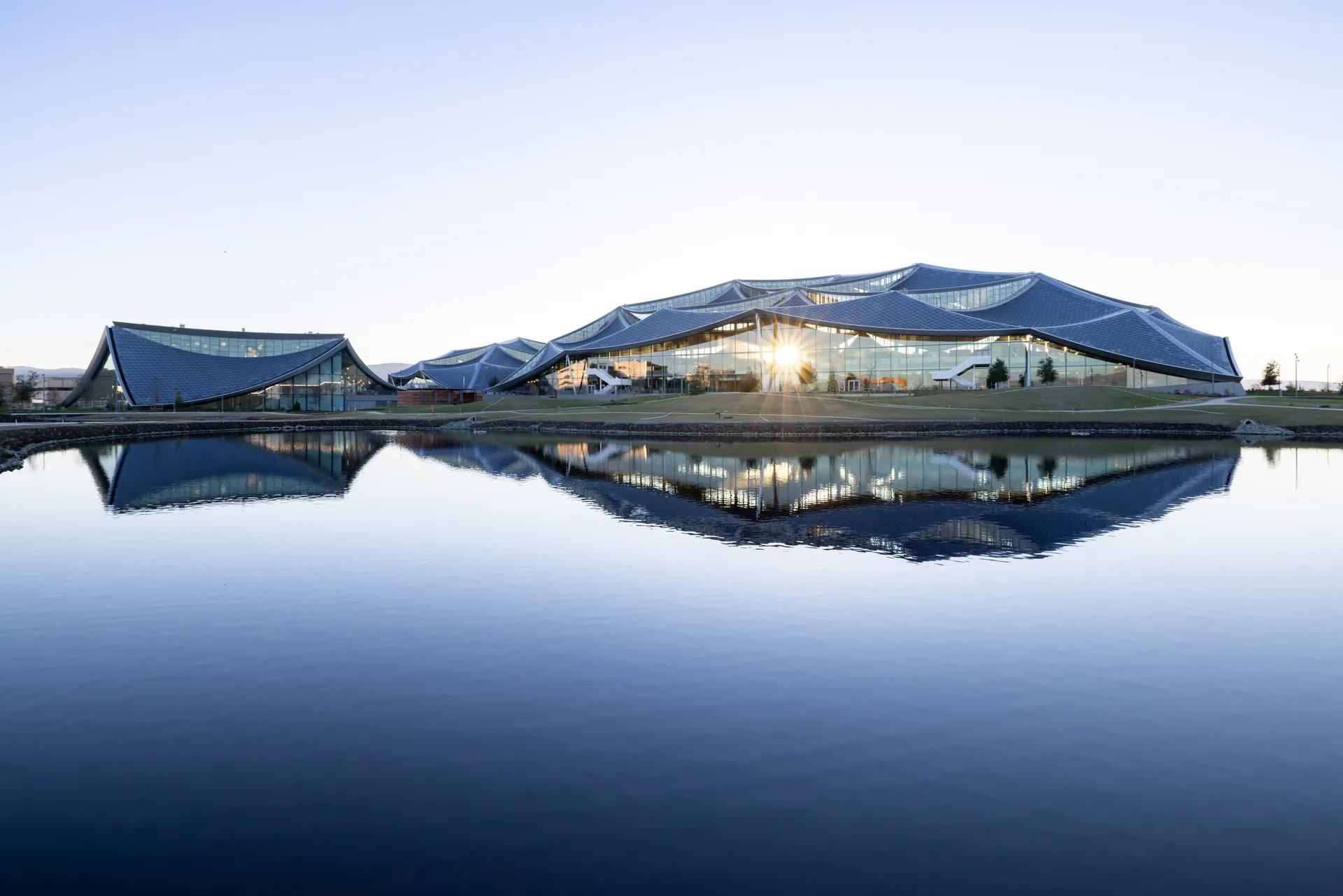
The spending covers four sites: Hamina, where Google bought a former paper mill in 2009 and converted it into a data center, plus Kajaani, Muhos and Vaala. Ruth Porat, Alphabet's president and chief investment officer, described it as Google's largest single investment in Europe, according to Google's announcement.
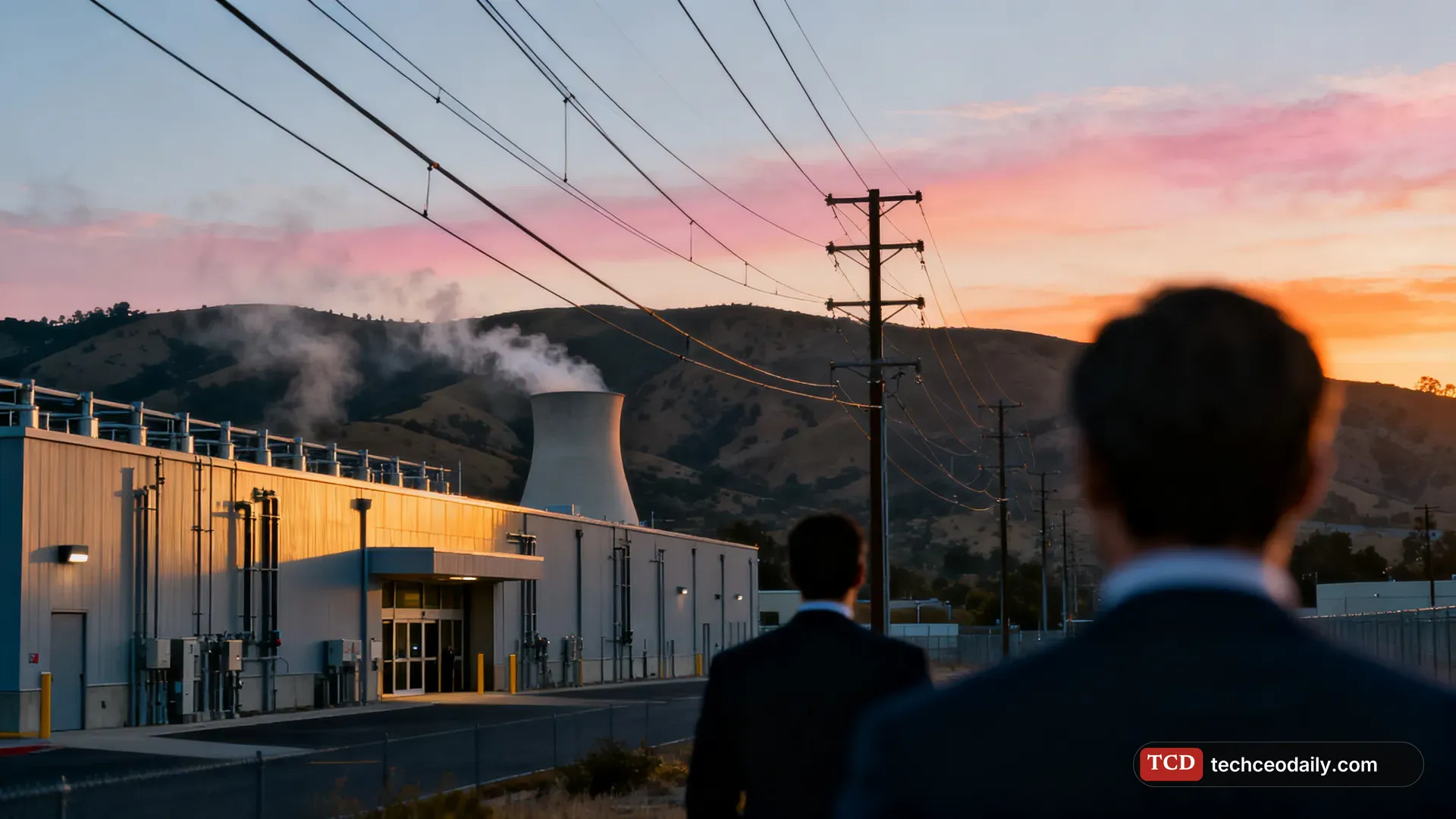
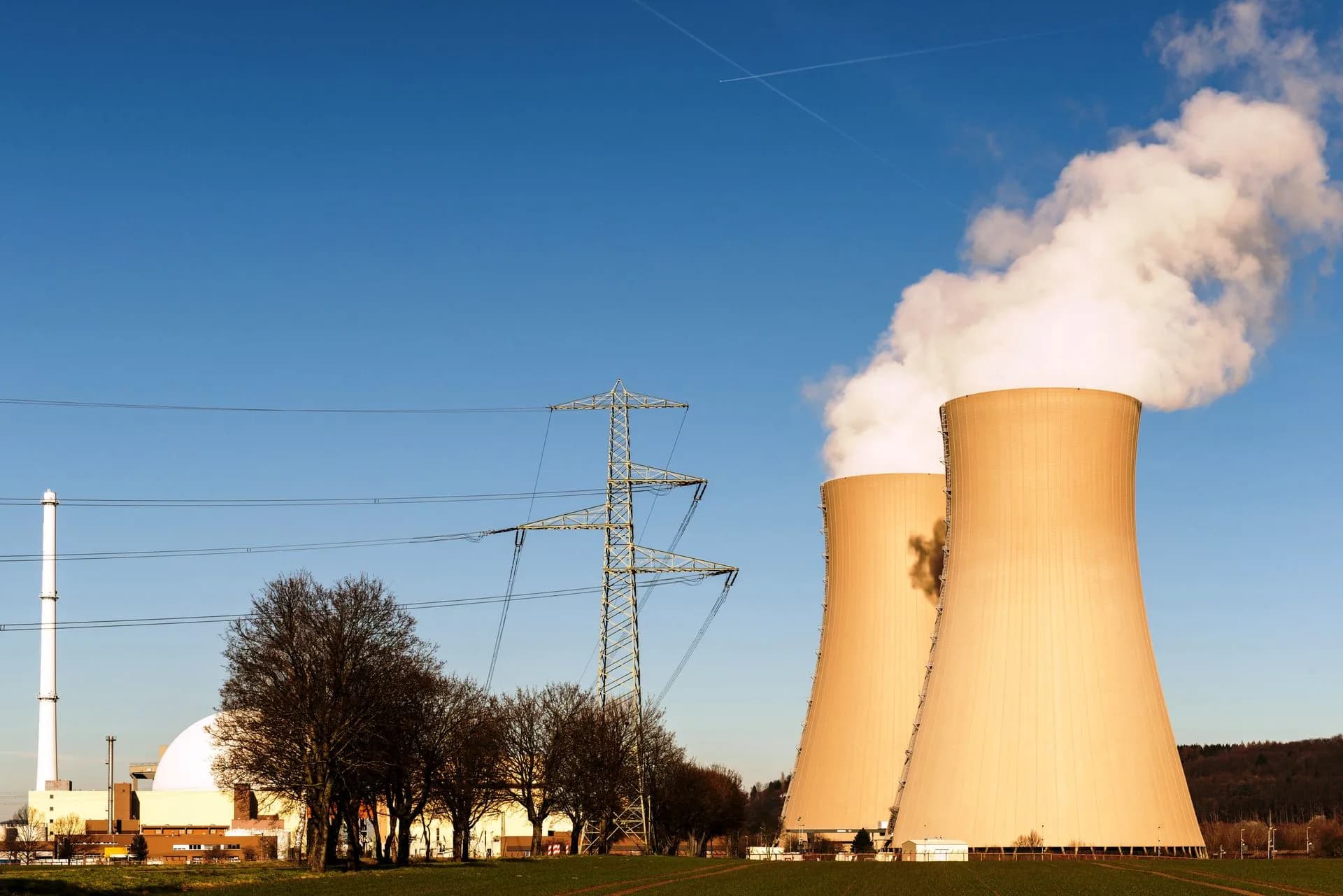
Fortum disclosed the power deal as inside information on September 9. The agreement starts in 2028 at reduced capacity and reaches 50% of the Loviisa nuclear plant's capacity from 2030 through 2049. Fortum said the contract supports its program of about €1 billion to extend the plant's life to 2050; about 80% of the projects and roughly €700 million of the required capital spending still await investment decisions. Loviisa's two 507-megawatt reactors generate about 8 terawatt-hours a year, and World Nuclear News reported that the plant supplies more than 10% of Finland's electricity.
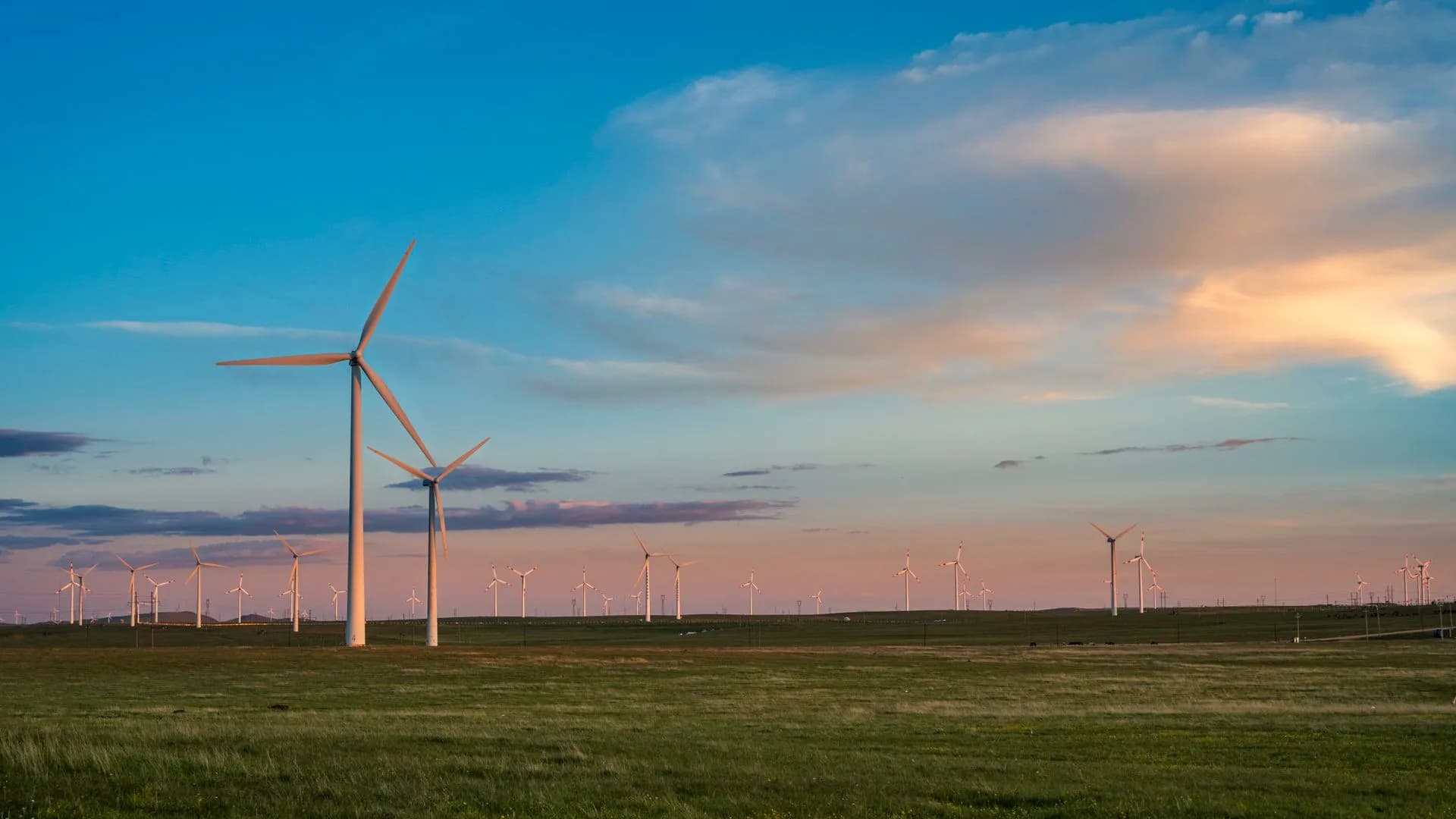
Nuclear is only part of the energy package. Google said it signed wind power purchase agreements with Valorem and Suomen Hyötytuuli that support 629 megawatts of new capacity, and contracted a 94-megawatt battery system near its Kajaani site that is due to operate in late 2027. It also pledged €31 million over four years to the four host municipalities, with €10 million set aside for research and innovation.
Google said the construction phase would add an average of €3.6 billion a year to Finland's GDP and support more than 37,000 jobs, including about 16,000 in construction. Finnish Prime Minister Petteri Orpo called the decision “a clear testament to our strengths.” Fortum said it expects the deal to lift its comparable return on net assets by approximately 1.4 percentage points over time once 50% of the plant's generation capacity is contracted.
The numbers
- Google investment in Finland (2027-2028)
- At least €13 billion
- Share of Loviisa capacity under contract
- 50%, 2030-2049
- Loviisa annual generation
- About 8 TWh
- New wind capacity supported
- 629 MW
- Battery storage near Kajaani
- 94 MW, late 2027
- Jobs supported during construction (Google estimate)
- More than 37,000
Why CEOs should care
For European cloud buyers, this is a signal about where new Google capacity will sit. If your organization needs EU data residency or wants lower-carbon compute for AI workloads, ask your Google Cloud team which services and AI accelerators will be offered from the Finnish sites, and on what timeline, since construction runs through 2027 and 2028. Latency-sensitive workloads serving Southern Europe may still be better placed elsewhere, so test before you commit.
Sustainability and finance leaders should note how the energy is being secured: a long-term nuclear contract, new wind and a battery, rather than spot-market power. Fortum's chief executive, Markus Rauramo, framed long-term deals as a response to volatile electricity prices. Enterprises that report cloud-related emissions should ask providers for region-level energy data, because contracts like this change the carbon profile of specific regions, not the whole cloud.
Boards should also see the competitive effect. When a hyperscaler contracts half of a large plant's capacity for two decades, that power is not available to other industrial buyers. Energy-intensive companies planning expansions in the Nordics should factor in rising competition for firm, clean electricity and start supply conversations earlier.
The bigger picture
The deal fits a broader shift in which cloud providers underwrite generation directly rather than simply buying power. Google has struck similar arrangements in the United States, including a 25-year agreement announced in October 2025 to buy power from NextEra's Duane Arnold nuclear plant in Iowa, which shut down in 2020 and is expected to return to service by early 2029. TechCrunch reported on September 8 that NextEra has received a $1.9 billion loan from the U.S. Department of Energy to refurbish the plant. World Nuclear News reported that Google and Fortum also signed memoranda of understanding to explore new nuclear capacity at Loviisa and renewable energy cooperation. The pattern matters for customers because the cost and availability of firm power now shape where hyperscalers add capacity. In our analysis, long-term clean power contracts are a useful early signal of where new AI capacity may be built.
What’s next
Key milestones are the start of data center construction in 2027, the Kajaani battery's grid connection in late 2027, first nuclear deliveries in 2028 and full contracted volumes in 2030. Fortum still has to take investment decisions on about €700 million of Loviisa life-extension work, and those decisions will show how firmly the plant's future now rests on Google's contract.
What “Fact-checked” means
Fact-checking means testing a story’s facts against the evidence before it is published. This story went through at least two separate checks before this version was published.
- What we checked
- Its names, figures, dates, job titles, quotes and who said what were checked against the story’s sources, including its main source where it could be opened. The headline was checked for accuracy and overstatement.
- How
- A first check reviewed the whole story. If it passed, a second, skeptical check went back to the sources to look for mistakes in the most important facts. If a check flagged the story, it was edited to fix the problems found, and a separate re-check then reviewed the whole story again.
- Who
- The checks are made with our newsroom’s technology tools, as steps kept separate from the writing, under rules set by our editor, Hussein Mukhtar. A story the checks still flag is not published automatically; it is held for the editor, who decides whether it is fixed, published or dropped.
- If something is wrong
- “Fact-checked” does not mean error-free. If a material error is found after publication, we correct the story and add a note saying what changed. Report an error
Companies in this story