The news
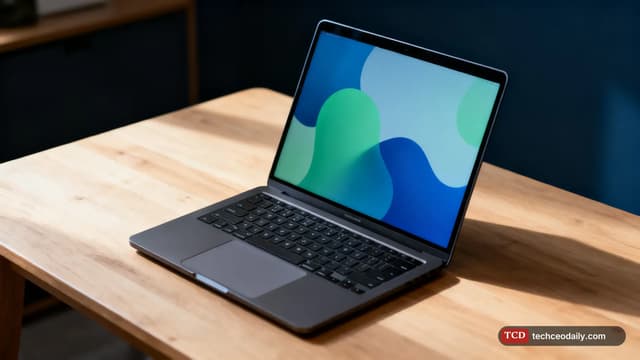
Google opened preorders on September 21 for Googlebook laptops, a new line running what it calls Googlebook OS. The software combines ChromeOS’s desktop and browser foundations with a native Android stack. Devices go on sale October 4 in the U.S. and October 5 in Canada, the U.K., Ireland, France, Germany and Australia.
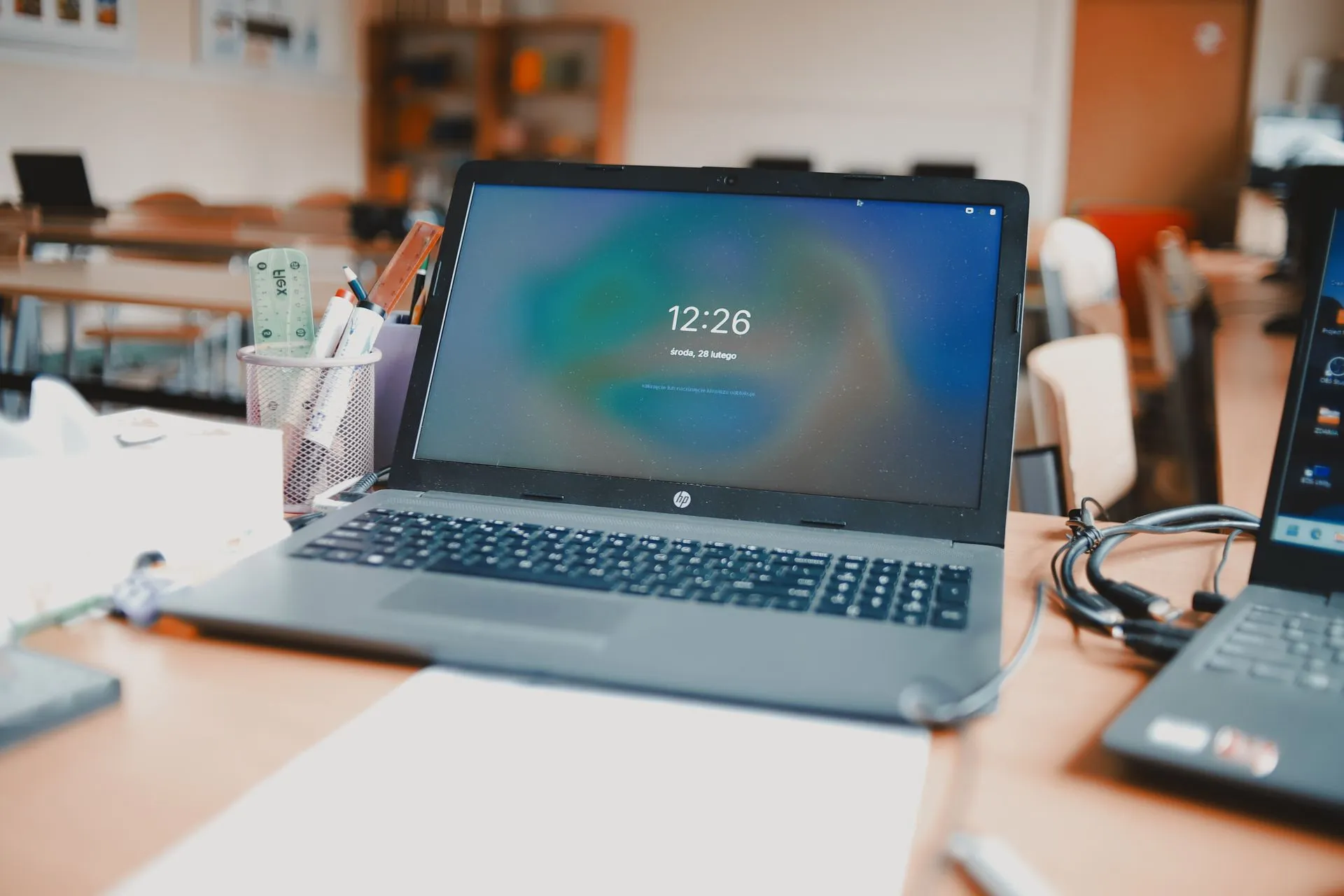
Five manufacturers are launching models: Acer, ASUS, Dell, HP and Lenovo. Prices start at $899 for Acer’s Googlebook 14, with ASUS, HP and Lenovo models starting at $1,299, according to Android Authority. Google says the machines use Intel and Qualcomm processors with neural processing units rated above 45 TOPS; Android Authority and 9to5Google list Intel Core Ultra and Qualcomm Snapdragon X Elite chips across the models.
Google says Googlebooks will receive up to 10 years of updates. Each includes a year of Google AI Pro with 5TB of cloud storage, plus trial offers for YouTube Premium and Adobe Photoshop. Features emphasize continuity with Android phones and built-in Gemini tools, and 9to5Google reports the platform supports a full desktop Chrome browser with extensions, Android apps, and an isolated Linux environment for developers.
Google’s launch posts focus on consumers. They do not address business device management, pricing for volume buyers or plans for existing Chromebook fleets.
The numbers
- Starting price
- $899
- Launch OEM partners
- 5
- U.S. availability
- Oct. 4, 2026
- Update support
- Up to 10 years
Why CEOs should care
For IT leaders, this is a new option in PC procurement — but not yet an enterprise one. At $899 to $1,299, Googlebooks are priced against mainstream Windows laptops and MacBooks rather than budget Chromebooks, and they come from the same OEMs many companies already buy from. The promise of up to 10 years of updates is longer than typical PC refresh cycles, which could appeal for total cost of ownership. Until Google publishes management, security and licensing details for business fleets, treat this as a pilot, not a platform decision.
Strategically, Google is bundling a year of its AI subscription into the hardware. Our analysis: the contest for the desktop is increasingly about which AI assistant ships by default.
What’s next
Watch for Googlebook enterprise management details, and for how Google positions Googlebook against its existing Chromebook business in schools and companies.
What “Fact-checked” means
Fact-checking means testing a story’s facts against the evidence before it is published. This story went through at least two separate checks before this version was published.
- What we checked
- Its names, figures, dates, job titles, quotes and who said what were checked against the story’s sources, including its main source where it could be opened. The headline was checked for accuracy and overstatement.
- How
- A first check reviewed the whole story. If it passed, a second, skeptical check went back to the sources to look for mistakes in the most important facts. If a check flagged the story, it was edited to fix the problems found, and a separate re-check then reviewed the whole story again.
- Who
- The checks are made by our newsroom, as steps kept separate from the writing, under rules set by our editor, Hussein Mukhtar. A story the checks still flag is held for the editor, who decides whether it is fixed, published or dropped.
- If something is wrong
- “Fact-checked” does not mean error-free. If a material error is found after publication, we correct the story and add a note saying what changed. Report an error
Companies in this story