The news
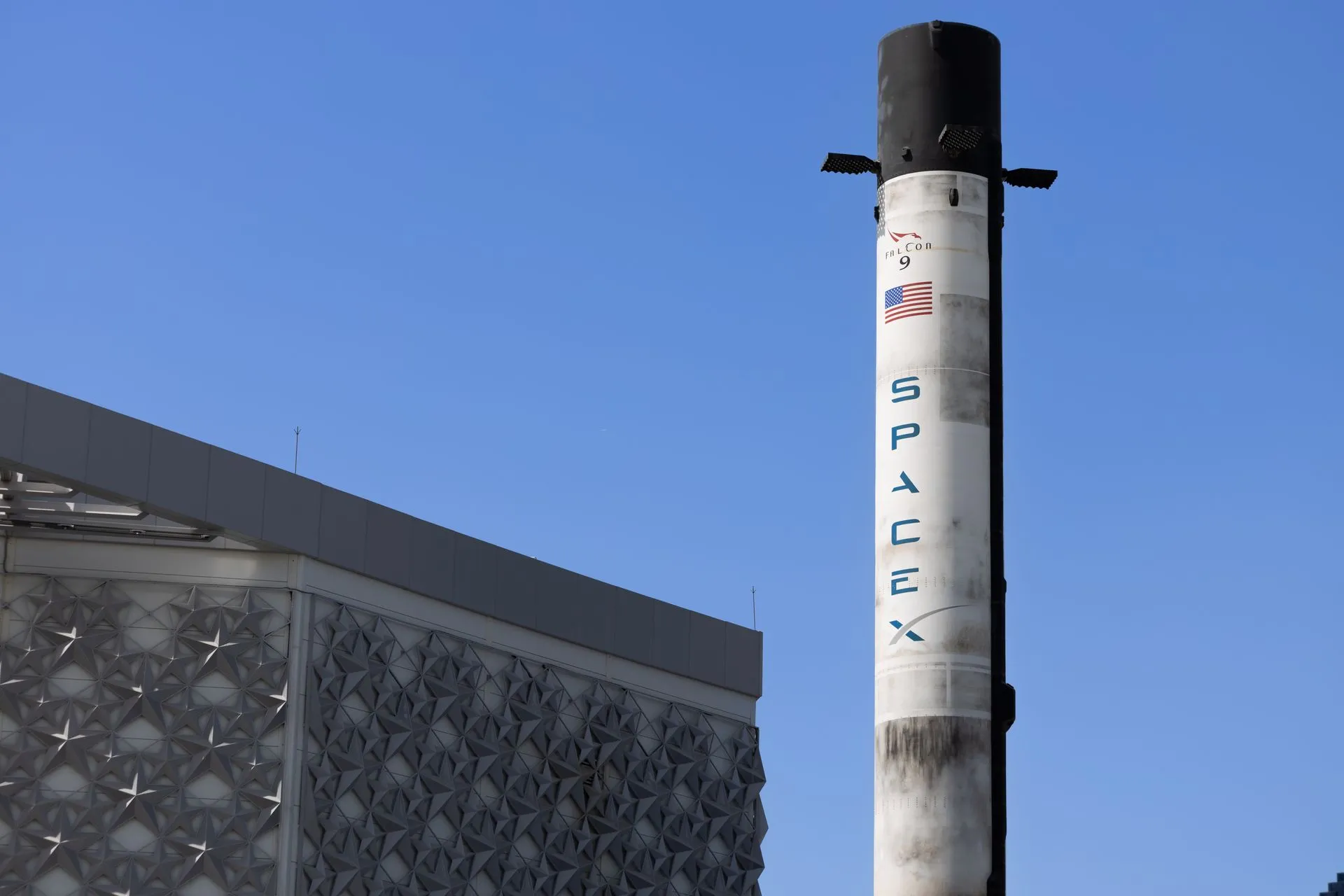
SpaceX's Starship reached orbit for the first time on September 28, 2026, and released 26 third-generation Starlink satellites, giving the SpaceX Starship program its first orbital flight after 13 suborbital tests and a first chance to add capacity to the Starlink broadband network.
The 14th test flight lifted off at 8:49 a.m. EDT from Starbase in South Texas, pairing a Starship V3 upper stage with a Super Heavy booster, SiliconANGLE reported. The ship settled into a circular orbit about 170 miles above Earth after a single Raptor engine burn roughly 25 minutes after liftoff, the outlet said. The previous 13 flights, starting in April 2023, all stayed suborbital.
Starship released the 26 satellites over about half an hour, and three of them carried cameras to photograph the ship's heat shield tiles, SiliconANGLE reported. SpaceX puts the capacity each new satellite adds to the network at roughly 1 terabit per second, according to the outlet. Via Satellite reported that SpaceX wants to launch 100,000 of the upgraded V3 satellites for Starlink's worldwide internet service.
The flight did not go entirely to plan. SiliconANGLE reported that one of the six Raptor engines on the upper stage shut down early during ascent and that the Super Heavy booster lost at least one engine before a controlled splashdown in the Gulf of Mexico. Via Satellite reported that the mission lasted 3 hours and 9 minutes, about 6 hours and 50 minutes shorter than the planned 10-hour, six-orbit profile.
After a deorbit burn at about 11 a.m. EDT, the ship splashed down north of Hawaii shortly before noon, then toppled and blew up when propellant left in its tanks ignited, SiliconANGLE reported. SpaceX CEO Elon Musk wrote on X, "First orbital flight of Starship successful!" according to the outlet, and NASA Administrator Jared Isaacman praised the launch.
The numbers
- Starlink satellites released
- 26 (third generation)
- Orbit altitude
- Roughly 170 miles
- Flight duration, actual (planned)
- 3 hours 9 minutes (10 hours)
- Earlier Starship test flights, all suborbital
- 13
- SpaceX-rated capacity per new Starlink satellite
- About 1 terabit per second
- SpaceX's Starlink V3 satellite goal
- 100,000
- Space segment operating loss, Q2 2026 (SEC filing)
- $542 million
- Space segment R&D spending, Q2 2026 (SEC filing)
- $1.076 billion
Why CEOs should care
For chief information officers and network buyers who use or are weighing Starlink for remote sites, ships or backup links, the practical point is that the satellites SpaceX rates at about 1 terabit per second each can now reach orbit on Starship. That is a first flight, not a delivery schedule. Ask your Starlink account team or reseller which capacity, coverage and service-level promises depend on V3 satellites, in which regions, and what happens to those commitments if Starship flights slip.
For CFOs, boards and investors, SpaceX now reports as a public company, which gives outsiders a view of what the program costs. SpaceX's second-quarter 2026 earnings release, filed with the SEC on August 4, 2026, shows that in the three months to June 30 its Space segment, which SiliconANGLE says includes Starship, posted an operating loss of $542 million and spent $1.076 billion on research and development. SiliconANGLE described these as SpaceX's first quarterly results as a public company. Track whether future filings tie Starlink revenue growth to Starship flight rates.
For corporate strategy teams and suppliers eyeing the space market, treat Flight 14 as progress on a test program. An upper-stage engine shut down, the mission ended hours early and the ship was lost after splashdown. Any plan that depends on Starship, from satellite capacity to lunar logistics, should carry schedule buffers and a second-source option, since SpaceX both builds the rocket and runs the network it launched.
The bigger picture
Reaching orbit is a prerequisite for the jobs NASA and SpaceX have planned for Starship. NASA plans to use Starship variants in its Artemis moon program. According to SiliconANGLE, the Artemis III mission in 2027 is meant to have an Orion crew link up in Earth orbit with prototypes from SpaceX and Blue Origin, while the lunar landing is scheduled for Artemis IV in 2028. SpaceX's goal of 100,000 V3 Starlink satellites, as reported by Via Satellite, compares with the 26 released on Flight 14.
The numbers also show the pace involved. Starship flew 13 suborbital tests from April 2023 before reaching orbit on its 14th flight. At SpaceX's rating of about 1 terabit per second per satellite, the 26 satellites released on Flight 14 would add roughly 26 terabits per second of capacity, by our calculation, though the reports did not say when that capacity will enter service.
What’s next
The next flights will show whether SpaceX can complete the full multi-orbit profile that Flight 14 cut short and keep releasing Starlink satellites on each mission. Executives should watch for a second orbital flight without an engine shutdown, for any change to Starlink capacity plans in SpaceX's quarterly filings, and for NASA's Artemis III schedule in 2027.
What “Fact-checked” means
Fact-checking means testing a story’s facts against the evidence before it is published. This story went through at least two separate checks before this version was published.
- What we checked
- Its names, figures, dates, job titles, quotes and who said what were checked against the story’s sources, including its main source where it could be opened. The headline was checked for accuracy and overstatement.
- How
- A first check reviewed the whole story. If it passed, a second, skeptical check went back to the sources to look for mistakes in the most important facts. If a check flagged the story, it was edited to fix the problems found, and a separate re-check then reviewed the whole story again.
- Who
- The checks are made by our newsroom, as steps kept separate from the writing, under rules set by our editor, Hussein Mukhtar. A story the checks still flag is held for the editor, who decides whether it is fixed, published or dropped.
- If something is wrong
- “Fact-checked” does not mean error-free. If a material error is found after publication, we correct the story and add a note saying what changed. Report an error