
The news
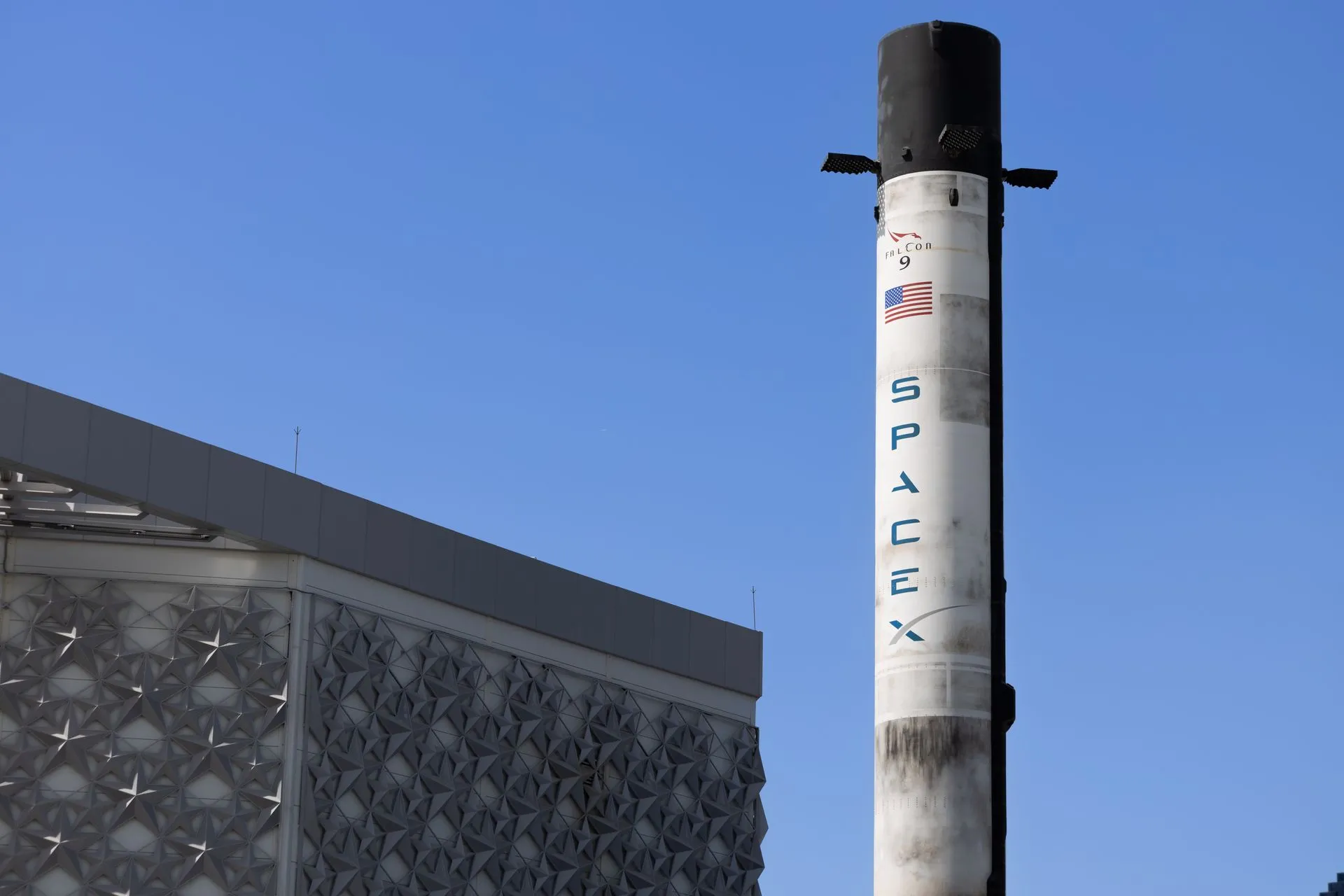
The SpaceX Starship rocket reached orbit for the first time on September 28, 2026, on its 14th test flight, and released 26 Starlink internet satellites. The result moves SpaceX (SPCX) closer to using its giant reusable rocket for routine work, including expanding its Starlink network.
Starship lifted off from Starbase in South Texas on the morning of September 28. About 25 minutes into the flight, a single Raptor engine firing put the upper stage into a circular orbit roughly 170 miles up, SiliconANGLE reported. None of Starship's 13 previous flights since April 2023 had reached orbit.
Once in orbit, the ship released 26 third-generation Starlink satellites over about half an hour. SpaceX rates each new satellite at about 1 terabit per second of added network capacity, according to SiliconANGLE, and three of them carried cameras to photograph the ship's heat shield tiles. After the deployment, SpaceX chose to end the mission early at its first scheduled checkpoint, ABC News reported, so the flight lasted about three hours rather than the just under 10 hours and roughly six orbits originally planned.
The flight had problems. One of the upper stage's six Raptor engines shut down early during ascent, and the Super Heavy booster lost at least one engine before a controlled splashdown in the Gulf of Mexico, SiliconANGLE reported; ABC News described issues with two booster engines and one ship engine. SpaceX did not try to catch the booster. The ship splashed down north of Hawaii, then rolled onto its side and blew up when unburned propellant caught fire, according to SiliconANGLE.
Elon Musk, SpaceX's chief executive, declared the first orbital flight a success in a post on X, and NASA Administrator Jared Isaacman called it a "gorgeous launch," SiliconANGLE reported.
The program is expensive. In its second-quarter results, its first as a public company, SpaceX said its Space segment, which houses Starship, had a $542 million operating loss on $962 million of revenue and spent $1.076 billion on research and development. Its Connectivity segment, which is Starlink, reported $1.656 billion of operating income on $4.291 billion of revenue and 12.0 million subscribers.
The numbers
- Starlink satellites deployed on Flight 14
- 26
- Orbit altitude (SiliconANGLE)
- About 170 miles
- Earlier Starship flights that did not reach orbit
- 13
- Mission length vs plan (ABC News)
- About 3 hours vs just under 10 hours
- Space segment Q2 2026 operating loss (SpaceX)
- $542 million
- Space segment Q2 2026 R&D spending (SpaceX)
- $1.076 billion
- Starlink subscribers, Q2 2026 (SpaceX)
- 12.0 million
Why CEOs should care
For buyers of satellite connectivity, such as airlines, shipping lines, energy firms and companies with remote sites, Starship matters because SpaceX is using it to launch third-generation Starlink satellites, each of which it rates at about 1 terabit per second of added capacity. If Flight 14's results can be repeated, Starlink capacity could grow faster than it has so far. Ask providers for capacity and coverage roadmaps in writing, and avoid long contract terms that lock in today's pricing while supply may be rising.
For CFOs and investors weighing SpaceX exposure, Flight 14 proves Starship can reach orbit, not that it is cheap. Neither the booster nor the ship was recovered for reuse, and the Space segment is still losing money. The numbers that will test the cost case are booster catches, ship recoveries and how quickly the same hardware flies again. SpaceX reported $28.476 billion of company-wide capital spending in the first half of 2026, across Starlink, Space and AI, so look for segment detail on how much of it goes to Starship.
For the wider space supply chain, including satellite makers, ground-station operators and government programs, a working heavy-lift vehicle raises the question of how much cargo moves to Starship. NASA's Artemis lunar plans require Starship to refuel in orbit, something SpaceX has not yet demonstrated, SiliconANGLE noted.
The bigger picture
SpaceX's financials show why Starship matters to the whole company. In the second quarter, Starlink's profit covered most of the losses in the Space and AI segments, leaving a consolidated operating loss of $143 million. Starship is the rocket SpaceX is using to launch its third-generation Starlink satellites. In July, Flight 13 deployed 20 production V3 satellites, according to SpaceX's earnings release, though SiliconANGLE reported that none of Starship's flights before Flight 14 reached orbit. Flight 14 is the first Starship flight to place them in orbit.
What’s next
SiliconANGLE reported that SpaceX expects a Starship launch from Florida in late 2026 or early 2027. The next milestones to watch are a booster catch on an orbital flight, recovery of the ship, and a demonstration of refueling in orbit, which NASA needs for its lunar missions. SpaceX's next quarterly report should show whether Space segment losses are narrowing as flights become more frequent.
What “Fact-checked” means
Fact-checking means testing a story’s facts against the evidence before it is published. This story went through at least two separate checks before this version was published.
- What we checked
- Its names, figures, dates, job titles, quotes and who said what were checked against the story’s sources, including its main source where it could be opened. The headline was checked for accuracy and overstatement.
- How
- A first check reviewed the whole story. If it passed, a second, skeptical check went back to the sources to look for mistakes in the most important facts. If a check flagged the story, it was edited to fix the problems found, and a separate re-check then reviewed the whole story again.
- Who
- The checks are made by our newsroom, as steps kept separate from the writing, under rules set by our editor, Hussein Mukhtar. A story the checks still flag is held for the editor, who decides whether it is fixed, published or dropped.
- If something is wrong
- “Fact-checked” does not mean error-free. If a material error is found after publication, we correct the story and add a note saying what changed. Report an error