The news
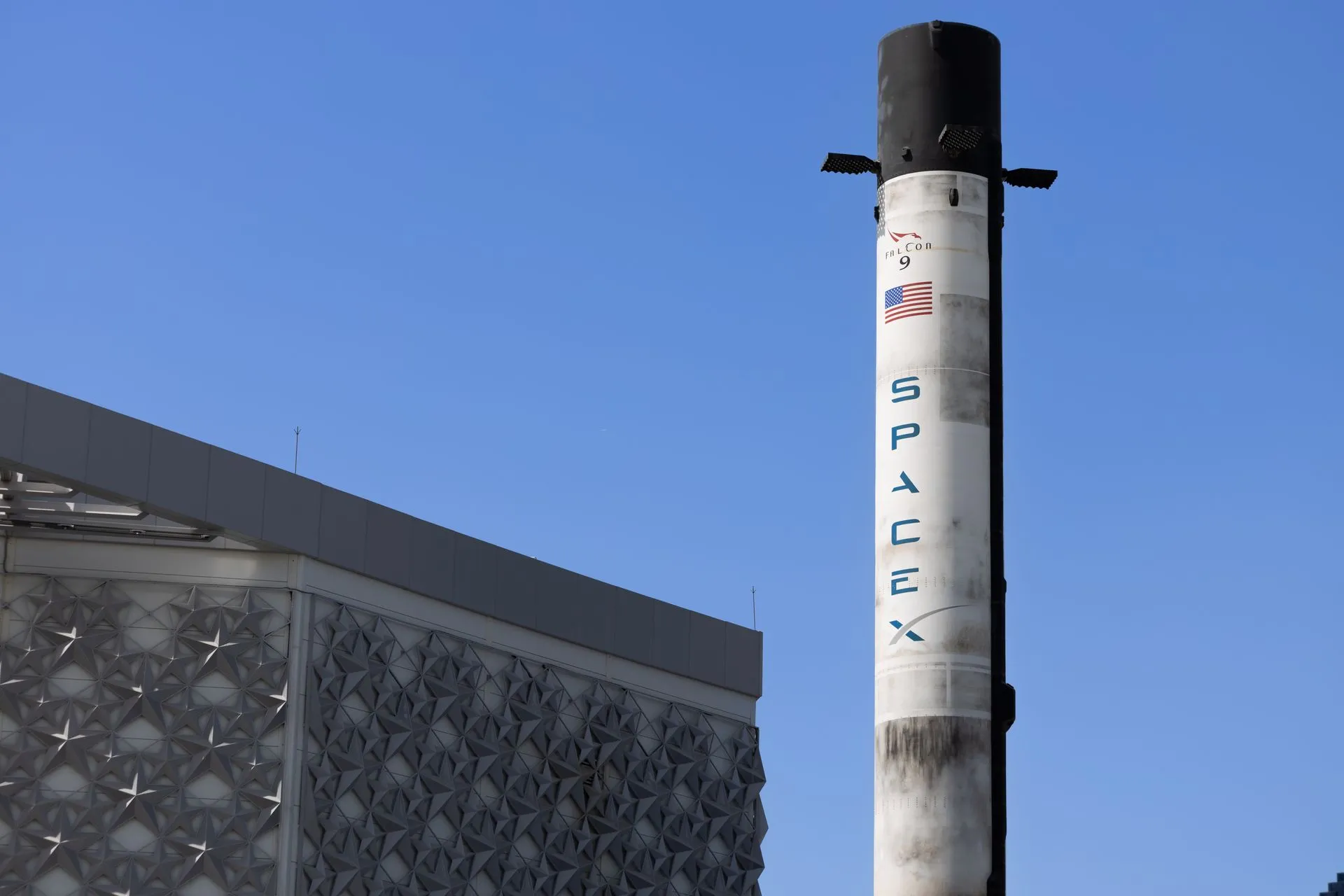
SpaceX Crew-13, the company's latest astronaut flight for NASA, docked with the International Space Station at 7:05 p.m. EDT on October 1, 2026, just 7 hours and 55 minutes after lifting off from Florida. NASA said it was the fastest launch-to-docking of a US spacecraft in the station's history.
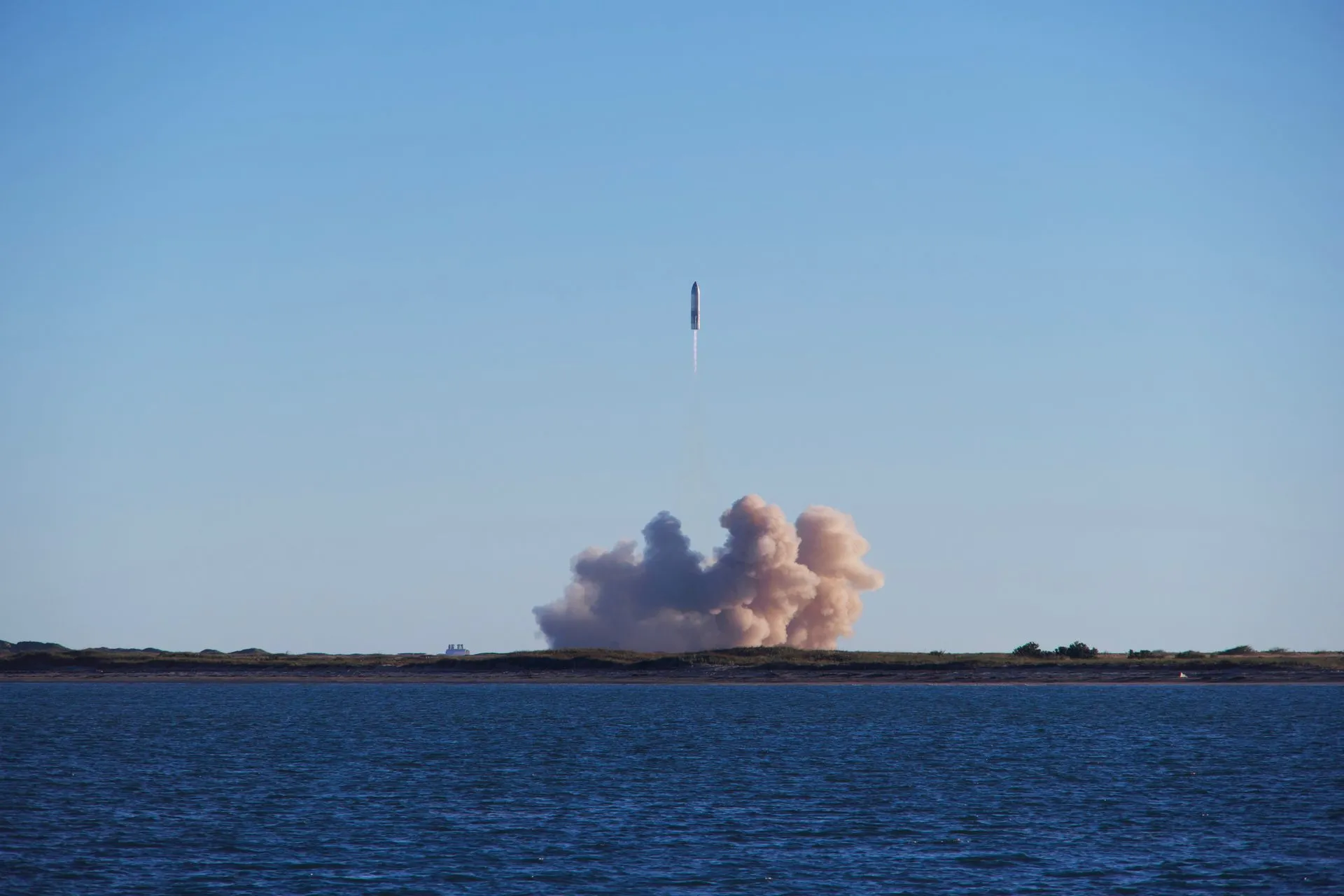
A SpaceX Falcon 9 rocket carried the Dragon spacecraft off the pad at Space Launch Complex 40 at Cape Canaveral Space Force Station at 11:10 a.m. EDT, UPI reported. The capsule docked to the forward port of the station's Harmony module that evening, according to NASA.
Four people were on board. NASA astronaut Jessica Watkins commands the mission and NASA astronaut Luke Delaney is the pilot. Canadian Space Agency astronaut Joshua Kutryk and Roscosmos cosmonaut Sergey Teteryatnikov are mission specialists.
The speed came down to timing and geometry. Bill Gerstenmaier of SpaceX said the station and Dragon were unusually close in their orbital positions at launch, helped by a recent adjustment to the station's orbit, UPI reported. The Associated Press likewise attributed the quick trip to the station's favorable position at liftoff. NASA had planned for the short flight in advance, telling viewers after launch to expect docking at about 7 p.m. EDT.
Why it's trending: the launch was followed that evening by the record arrival, which gave the story a second wave. Searches for the Crew-13 launch were still among Google's trending queries in the United States in the early hours of October 2.
The crew will spend about six months on the station. They relieve the four Crew-12 astronauts, NASA's Jessica Meir and Jack Hathaway, the European Space Agency's Sophie Adenot and Roscosmos cosmonaut Andrey Fedyaev, according to UPI. The Associated Press reported that the outgoing crew has been on the station since February.
The numbers
- Launch to docking
- 7 hours 55 minutes (NASA)
- Launch
- 11:10 a.m. EDT, October 1, 2026
- Docking
- 7:05 p.m. EDT, October 1, 2026
- Crew
- 4
- Planned stay
- About six months
Why CEOs should care
For executives, the record matters less than what sits behind it: routine. Crew-13 is the 13th crew that SpaceX has flown to the station for NASA under the agency's rotation program, according to the Associated Press. A government agency is buying a safety-critical service from a private supplier on a repeating schedule, and the supplier is still finding ways to do it faster. Leaders who buy critical services from a single vendor will recognize both the benefit and the dependence.
Boards and procurement chiefs can take a practical question from that. When one supplier becomes the dependable option for something the organization cannot do without, what is the fallback, and how long would a switch take? NASA's crew rotations depend on a spacecraft being ready when the previous crew's stay ends. The same logic applies to any business that relies on one cloud region, one chip supplier or one logistics partner.
There is also a signal for companies that plan to work in orbit. A shorter trip means less time for a crew inside a small capsule, and it shows how precisely launches can now be timed to the station's position. Research teams that send experiments up with these flights, including the health, crop growth and medical technology work that Orlando station WKMG reported is planned for this mission, benefit from a transport system that runs to schedule.
The bigger picture
SpaceX is far better known for its rockets and satellites than for carrying people, yet the astronaut flights are where its reliability is tested most publicly. Each rotation carries crew members from partner agencies. This one includes a Canadian astronaut and a Russian cosmonaut alongside two Americans, a reminder that the station remains a shared international project.
The record itself applies to US spacecraft, as NASA's wording makes clear. It reflects a favorable alignment on the day as much as hardware, so not every future flight will match it.
What’s next
Crew-13 now begins a handover with the outgoing Crew-12 astronauts, who are due to return to Earth after a stay UPI put at about seven months. The new crew is scheduled to remain on the station for about six months, carrying out research and maintenance before the next rotation arrives.
What “Fact-checked” means
Fact-checking means testing a story’s facts against the evidence before it is published. This story went through at least two separate checks before this version was published.
- What we checked
- Its names, figures, dates, job titles, quotes and who said what were checked against the story’s sources, including its main source where it could be opened. The headline was checked for accuracy and overstatement.
- How
- A first check reviewed the whole story. If it passed, a second, skeptical check went back to the sources to look for mistakes in the most important facts. If a check flagged the story, it was edited to fix the problems found, and a separate re-check then reviewed the whole story again.
- Who
- The checks are made by our newsroom, as steps kept separate from the writing, under rules set by our editor, Hussein Mukhtar. A story the checks still flag is held for the editor, who decides whether it is fixed, published or dropped.
- If something is wrong
- “Fact-checked” does not mean error-free. If a material error is found after publication, we correct the story and add a note saying what changed. Report an error