The news
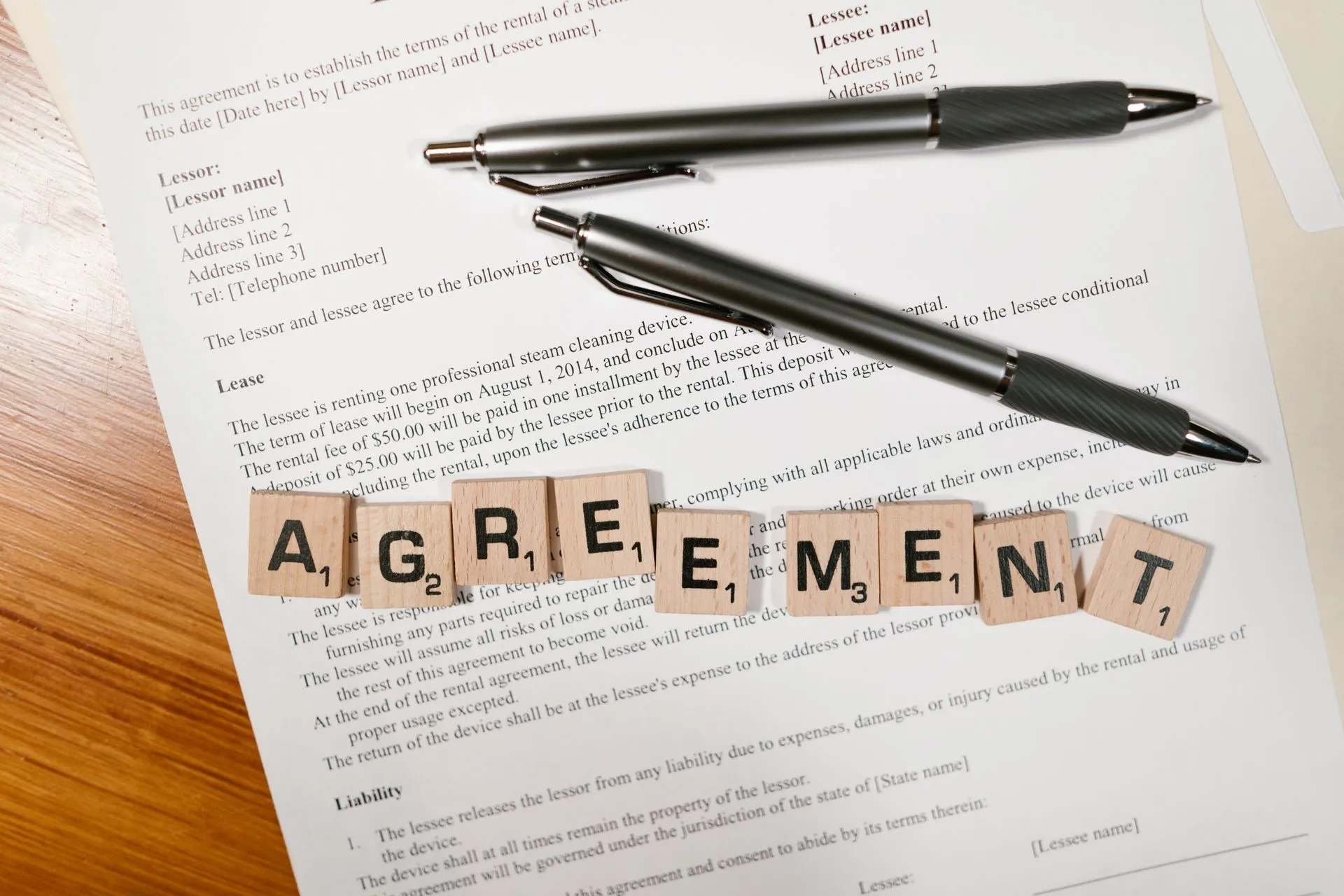
On October 8, 2026, the US Department of Labor suspended Microsoft (MSFT), Adobe (ADBE) and several of the world's largest IT outsourcing firms from the Permanent Labor Certification Program, known as PERM, according to CIO Dive. PERM is the Labor Department process employers use to certify that hiring a foreign worker permanently will not harm US workers.
Labor Secretary Keith Sonderling announced the move at a department press briefing, saying he was suspending "some of the largest IT outsourcing firms in the world" from the program, CIO Dive reported. Both CIO Dive and The Register list Microsoft, Adobe, Infosys (INFY), Tata Consultancy Services, HCL Technologies and Capgemini among the companies affected. CIO Dive also names Cognizant (CTSH), while The Register names Wipro (WIT).
CIO Dive reported that Microsoft and Adobe were suspended from both PERM and the H-1B temporary work visa program because of active federal investigations. The Register, which credited Vice President J.D. Vance and Secretary Sonderling with the action, said it followed alleged fraud and abuse and criminal investigations. Neither outlet said how long the suspensions will last.
Vance was blunt about Microsoft. "There has been no company in the United States, unfortunately, that has abused this system more than Microsoft," he said, as quoted by CIO Dive. Vance said the company laid off 6,000 workers last year while gaining approval for 6,000 H-1B visas and filing 3,682 PERM applications, according to CIO Dive.
Microsoft rejected the allegations. The company told The Register that it "only files H-1B petitions for those who meet the rigorous standards" of the visa category and that it pays H-1B employees the same as other employees doing comparable work. In its response, Microsoft said 80% of the roughly 6,000 H-1B applications it submitted in its last fiscal year were to extend or change the status of existing employees, CIO Dive reported. CIO Dive noted that on the same day, President Donald Trump presented Microsoft CEO Satya Nadella with the National Medal of Technology and Innovation.
The numbers
- Microsoft H-1B approvals (per Vance)
- 6,000
- Microsoft PERM applications filed (per Vance)
- 3,682
- Microsoft H-1B filings for existing staff (per Microsoft)
- 80%
- H-1B approvals for the named firms since 2009 (per Sonderling)
- 230,000+
Why CEOs should care
For CIOs who buy services from Infosys, TCS, HCL, Capgemini, Wipro or Cognizant, the immediate question is staffing continuity. Ask each vendor, in writing, how many people on your account depend on pending or future PERM or H-1B filings, and what their backfill plan is if those workers cannot stay. Check whether your contracts let the vendor pass through higher costs or substitute staff without your approval.
CFOs should model a scenario in which offshore and onshore labor rates rise because the largest suppliers can no longer sponsor the same talent. That may favor nearshore centers, US-based hiring or automation projects that were marginal at today's prices. Boards should ask management for a short list of business-critical systems run mainly by visa-dependent vendor staff.
HR leaders at companies that sponsor their own employees should not assume they are out of scope. The Labor Department has now acted against a US software maker as well as outsourcers, and the reported focus on investigations means compliance records for past filings matter. A quick internal audit of wage and recruitment documentation is a cheap precaution.
The bigger picture
The action reaches far beyond one company. According to Secretary Sonderling, as reported by The Register, the affected firms have requested nearly 3 million foreign workers since 2009 and received more than 230,000 H-1B approvals and more than 100,000 permanent labor certifications. India's IT trade body NASSCOM responded that immigration and skilled talent mobility are distinct issues, and said Indian tech companies have significantly reduced their dependence on H-1B visas while expanding hiring in the US, The Register reported.
What’s next
Watch for the Labor Department to publish the formal terms and duration of the suspensions, for any legal challenge from the companies, and for statements from the investigations cited by The Register. Buyers should also watch vendor earnings calls for changes to onshore staffing and pricing guidance.
What “Fact-checked” means
Fact-checking means testing a story’s facts against the evidence before it is published. This story went through at least two separate checks before this version was published.
- What we checked
- Its names, figures, dates, job titles, quotes and who said what were checked against the story’s sources, including its main source where it could be opened. The headline was checked for accuracy and overstatement.
- How
- A first check reviewed the whole story. If it passed, a second, skeptical check went back to the sources to look for mistakes in the most important facts. If a check flagged the story, it was edited to fix the problems found, and a separate re-check then reviewed the whole story again.
- Who
- The checks are made by our newsroom, as steps kept separate from the writing, under rules set by our editor, Hussein Mukhtar. A story the checks still flag is held for the editor, who decides whether it is fixed, published or dropped.
- If something is wrong
- “Fact-checked” does not mean error-free. If a material error is found after publication, we correct the story and add a note saying what changed. Report an error