
The news
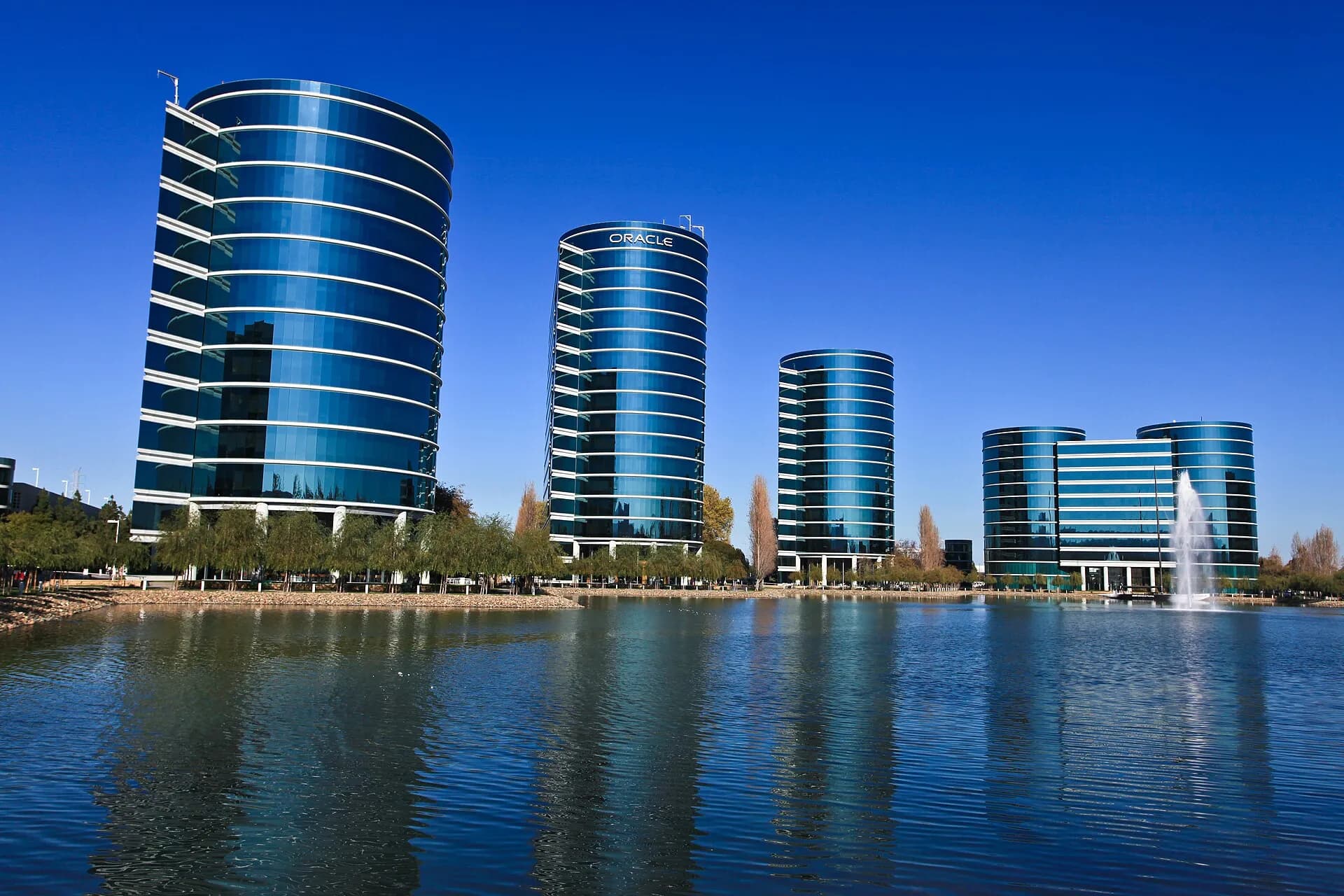
Oracle (ORCL) reported $664 billion in contracted future revenue on September 10, 2026, but expects to recognize only about 13% of it within a year, so most of that backlog will take years to turn into revenue. For buyers of AI cloud capacity, a filing from data center operator Nscale gives more direct evidence of how much contracted capacity is still under development.
Oracle's first-quarter results for fiscal 2027, covering the three months to August 31, showed total revenue of $19.3 billion, up 30%, and cloud infrastructure revenue of $7.4 billion, up 121%. Remaining performance obligations, or RPO, the value of signed contracts not yet delivered, rose $209 billion from a year earlier. The company said it “booked more than $30 billion of additional AI cloud contracts” in the quarter and expects fiscal 2027 revenue of at least $90 billion.
The spending side is just as large. Capital expenditures reached $28.5 billion in the quarter, against $8.5 billion a year earlier, leaving free cash flow at negative $5.4 billion; for fiscal 2026, free cash flow was negative $23.7 billion on $55.7 billion of capital spending. Oracle's quarterly filing shows $125.3 billion in notes payable and borrowings and $36.4 billion in cash and equivalents at August 31. It projects that 37% of RPO will be recognized in months 13 to 36 and 34% in months 37 to 60, with the remainder after that.
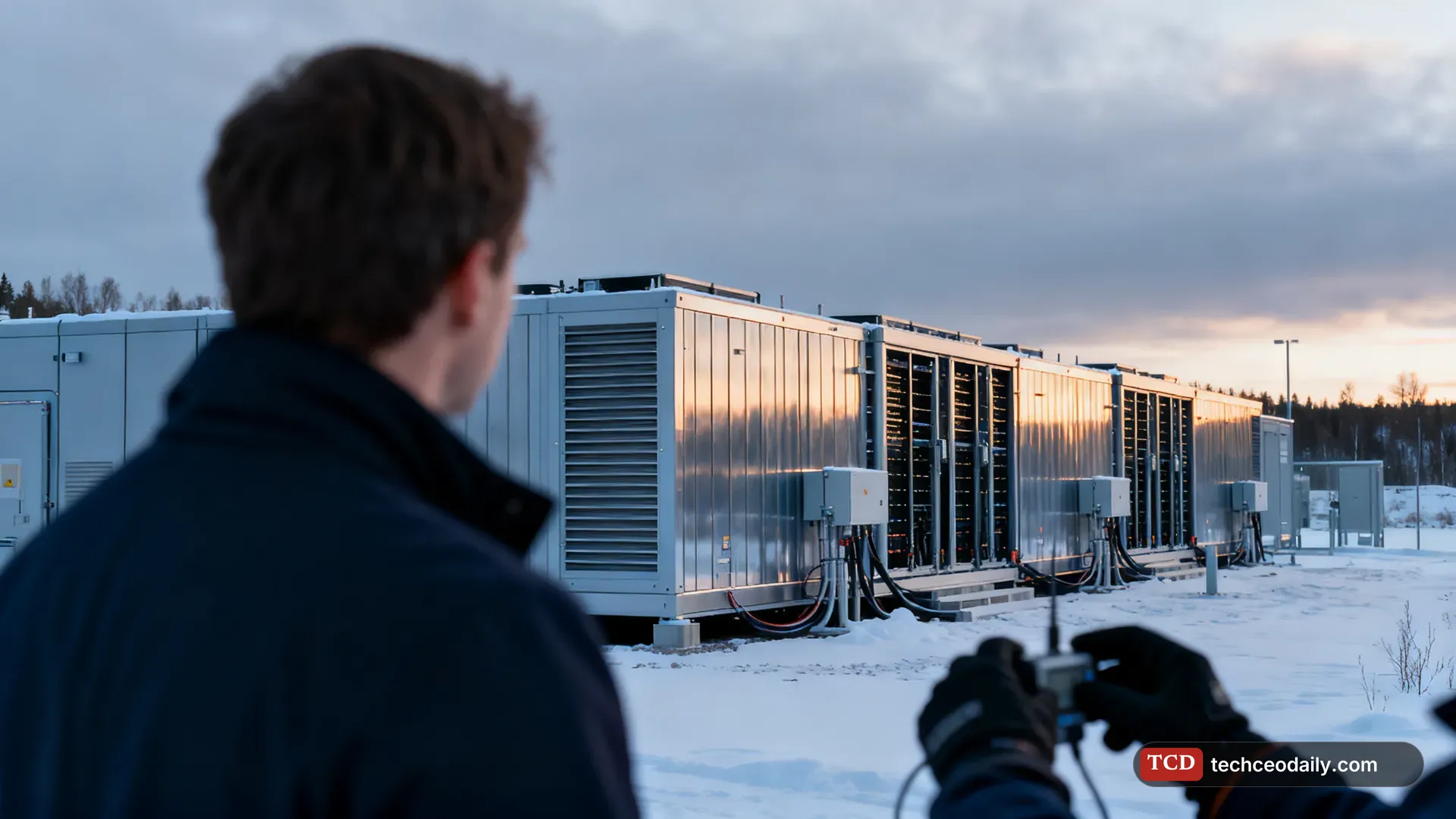
Nscale, a UK-based company that builds and runs AI data centers, showed a similar pattern in its registration statement filed September 18. It reported $103.4 billion in contract value as of August 31, of which only $2.6 billion was active; the filing defines active capacity as online and generating revenue, and contracted capacity as still under development. Revenue for the first half of 2026 was $140.6 million, while the net loss widened to $1.02 billion. The filing lists agreements with Anthropic worth up to about $44.6 billion, and TechCrunch reported that Anthropic and Microsoft, whose deal is worth $43.8 billion through 2033, together account for about 85% of the backlog.
Capital keeps flowing. Crusoe raised $3.9 billion at a $30.9 billion valuation on September 17, with customers including OpenAI, Meta, Microsoft and Oracle, TechCrunch reported. On September 10, Nvidia (NVDA) chief executive Jensen Huang said he expects roughly 70% revenue growth next year.
The numbers
- Oracle remaining performance obligations
- $664 billion
- Share of RPO expected within 12 months
- About 13%
- Oracle Q1 FY27 capital expenditures
- $28.5 billion
- Oracle Q1 FY27 free cash flow
- -$5.4 billion
- Nscale contracted value / active value
- $103.4 billion / $2.6 billion
- Crusoe valuation after $3.9 billion raise
- $30.9 billion
Why CEOs should care
For enterprises buying AI capacity from Oracle or from neoclouds such as Nscale and Crusoe, the key risk is timing. Most contracted capacity does not exist yet, and Nscale's own filing warns that difficulty securing sites and reliable power could limit its growth. Negotiate delivery milestones with financial remedies for delays, avoid large prepayments, and keep a second source that can take priority workloads if a build slips.
CFOs should treat AI infrastructure suppliers as credit counterparties, not just vendors. Read their filings the way a lender would: free cash flow, debt, and customer concentration. When about 85% of a supplier's backlog depends on two customers, a change in those customers' plans can ripple into pricing and capacity for everyone else. Contract terms that let you move models and data without penalty are cheap insurance.
Boards should ask management a simple question: how much of the company's AI roadmap depends on capacity that has been promised but not built? Backlog figures in the hundreds of billions describe demand, not delivery, and the delivery depends on power, construction crews and financing all arriving on schedule.
The bigger picture
The AI capital spending race is increasingly funded by debt and private capital rather than operating cash alone. Oracle's borrowings, Crusoe's raise and Nscale's planned listing all point the same way, and Nvidia appears on both sides of the market: it is an investor in Crusoe and is putting $1 billion into a financing of at least $3.1 billion for Nscale, which deploys Nvidia systems for customers, according to Nscale's filing. How fast backlog turns into revenue will decide whether this financing looks prudent or stretched.
What’s next
Watch Nscale's IPO pricing and the Nvidia investment, which the filing says should close around November 16. Oracle guided to 30% to 34% revenue growth for its fiscal second quarter; its next report will show whether capital spending keeps outrunning operating cash flow and how quickly RPO converts into revenue.
What “Fact-checked” means
Fact-checking means testing a story’s facts against the evidence before it is published. This story went through at least two separate checks before this version was published.
- What we checked
- Its names, figures, dates, job titles, quotes and who said what were checked against the story’s sources, including its main source where it could be opened. The headline was checked for accuracy and overstatement.
- How
- A first check reviewed the whole story. If it passed, a second, skeptical check went back to the sources to look for mistakes in the most important facts. If a check flagged the story, it was edited to fix the problems found, and a separate re-check then reviewed the whole story again.
- Who
- The checks are made by our newsroom, as steps kept separate from the writing, under rules set by our editor, Hussein Mukhtar. A story the checks still flag is held for the editor, who decides whether it is fixed, published or dropped.
- If something is wrong
- “Fact-checked” does not mean error-free. If a material error is found after publication, we correct the story and add a note saying what changed. Report an error