The 60-second brief
- 1Samsung Electro-Mechanics will invest 4.27 trillion won in Sejong, with mass production set for September 2028.
- 2Unnamed big tech customers will fund part of the build and guarantee medium- to long-term volumes, Korean media reported.
- 3A 2.51 trillion won Vietnam expansion lifts total substrate spending to 6.78 trillion won, per Seoul Economic Daily.
- Sejong investment
- 4.27 trillion won (about $3.14 billion)
- Vietnam investment (per Seoul Economic Daily)
- 2.51 trillion won
- Total substrate spending (Sejong plus Vietnam)
- 6.78 trillion won (about $5 billion)
- Sejong spend as share of end-2025 equity
- 43.6%
- Mass production start
- September 2028
Why CEOs should care
For buyers of AI servers and accelerators, the timeline is the headline. New Sejong capacity does not reach mass production until September 2028, so if high-end substrate supply gets tight in 2026 or 2027, this investment will not ease it. Procurement teams should ask server makers and cloud providers how much of their delivery risk sits in packaging and substrates, not only in GPUs and memory, and whether committed ship dates hold if substrate supply slips.
For CFOs, the customer-funded structure is a warning sign and a template. When the largest buyers pre-pay for a supplier's factory and lock in volumes, they secure priority for years, and smaller buyers compete for what is left. Companies with large, predictable AI hardware needs should ask whether capacity reservations or prepayments with key suppliers make sense, and model the balance-sheet and contract-risk trade-offs before a shortage forces the decision.
For boards and investors, an investment equal to more than 40% of the company's equity is a large bet on sustained AI demand. Customer funding and volume guarantees reduce the risk of idle lines, but the terms, customers and exit clauses were not disclosed. Those details will determine how much of the downside the supplier actually carries. Investors should watch whether customer money shows up as prepayments or advances in future financial statements, which would signal how much capital the buyers themselves have put at risk.
Key takeaways
- Samsung Electro-Mechanics will invest 4.27 trillion won in Sejong, with mass production set for September 2028.
- Unnamed big tech customers will fund part of the build and guarantee medium- to long-term volumes, Korean media reported.
- A 2.51 trillion won Vietnam expansion lifts total substrate spending to 6.78 trillion won, per Seoul Economic Daily.
The news
Samsung Electro-Mechanics (009150.KS) disclosed in a regulatory filing on September 28, 2026 that it will invest 4.27 trillion won, about $3.14 billion, to expand AI server chip-substrate production at its plant in Sejong, South Korea, citing surging demand for high-end packaging parts.
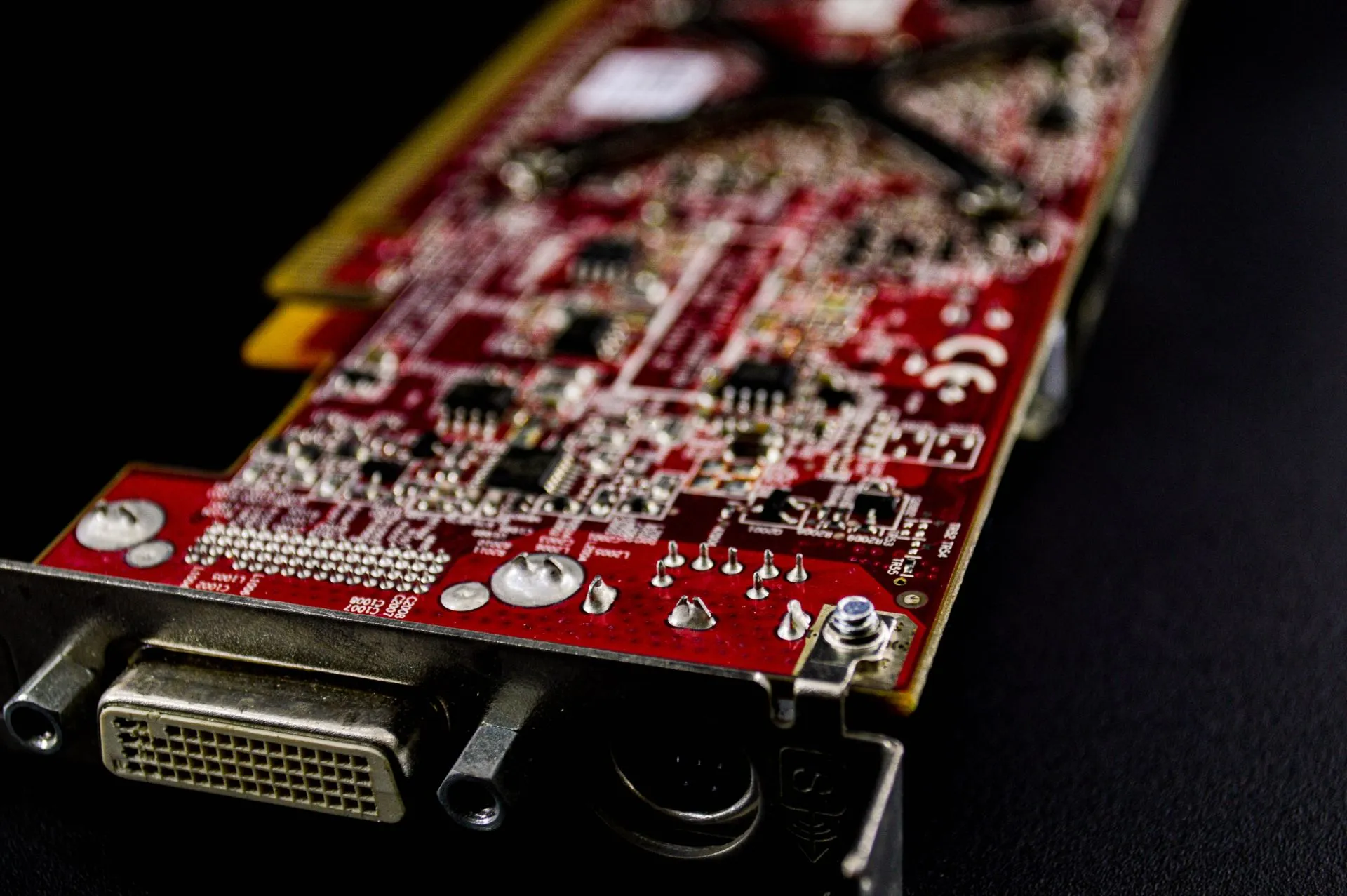
The money goes to flip chip ball grid array (FC-BGA) substrates, the multilayer boards that connect powerful processors such as AI accelerators, GPUs and CPUs to a system's main board and carry their signals and power. The Korea Times reported that the outlay is the largest the company has ever made on a single product, aimed at AI servers, high-performance computing and automotive uses.
According to the filing, the board approved the plan on September 28 and the spending window closes on May 31, 2028. Volume production on the new lines is slated to start in September 2028, The Korea Times and Digital Today reported. The filing puts the Sejong outlay at 43.6% of the company's consolidated shareholders' equity of 9.7973 trillion won at the end of 2025, and notes that the amount and schedule could change as the project proceeds.
The funding model is the notable part. According to The Korea Times and Digital Today, the company is basing the expansion on long-term partnerships with global big tech buyers, who are putting up investment money and committing to purchase set volumes for years. The Elec reported that those customers will cover part of the cost of the new facilities. None of them was named. Digital Today reported that the company expects AI infrastructure investment to continue for another two to three years.
Seoul Economic Daily also reported a separate 2.51 trillion won investment in Vietnam, due for completion by April 30, 2028, bringing total substrate spending to 6.78 trillion won, or about $5 billion. Chief Executive Chang Duck-hyun said high-value substrates are becoming key components that determine chip performance and supply chain stability, The Korea Times reported.
The numbers
- Sejong investment
- 4.27 trillion won (about $3.14 billion)
- Vietnam investment (per Seoul Economic Daily)
- 2.51 trillion won
- Total substrate spending (Sejong plus Vietnam)
- 6.78 trillion won (about $5 billion)
- Sejong spend as share of end-2025 equity
- 43.6%
- Mass production start
- September 2028
Why CEOs should care
For buyers of AI servers and accelerators, the timeline is the headline. New Sejong capacity does not reach mass production until September 2028, so if high-end substrate supply gets tight in 2026 or 2027, this investment will not ease it. Procurement teams should ask server makers and cloud providers how much of their delivery risk sits in packaging and substrates, not only in GPUs and memory, and whether committed ship dates hold if substrate supply slips.
For CFOs, the customer-funded structure is a warning sign and a template. When the largest buyers pre-pay for a supplier's factory and lock in volumes, they secure priority for years, and smaller buyers compete for what is left. Companies with large, predictable AI hardware needs should ask whether capacity reservations or prepayments with key suppliers make sense, and model the balance-sheet and contract-risk trade-offs before a shortage forces the decision.
For boards and investors, an investment equal to more than 40% of the company's equity is a large bet on sustained AI demand. Customer funding and volume guarantees reduce the risk of idle lines, but the terms, customers and exit clauses were not disclosed. Those details will determine how much of the downside the supplier actually carries. Investors should watch whether customer money shows up as prepayments or advances in future financial statements, which would signal how much capital the buyers themselves have put at risk.
The bigger picture
AI spending is moving down the supply chain, from chips and memory to the packaging that holds them together. Samsung's wider group is making similar bets: on September 29, six Samsung affiliates said they would invest a combined $1 billion in Helix Digital Infrastructure, a KKR-founded company building data centers and power for hyperscalers. The Korea Times noted that Samsung Electro-Mechanics also pledged in July to invest 8 trillion won in the Chungcheong region, which includes Sejong, and 15 trillion won in the Busan area by 2040.
What's next
Watch for whether Samsung Electro-Mechanics or its customers name the anchor buyers, how the Vietnam build progresses toward its April 2028 deadline, and whether rival substrate makers answer with their own customer-funded expansions. The company's next quarterly results should also show how the plan changes its capital spending outlook. Mass production in Sejong is scheduled for September 2028.
Sources
- PrimarySamsung Electro-Mechanics new facility investment filing (Sept. 28, 2026)— DART (Financial Supervisory Service)
- ReportSamsung Electro-Mechanics to invest $3.14 bil. for substrate plant in Sejong— The Korea Times
- ReportSamsung Electro-Mechanics to Invest 6.8 Trillion Won in AI Substrate Plants— Seoul Economic Daily
- ReportSamsung Electro-Mechanics to expand Sejong FCBGA plant with 4.27 trillion won investment— Digital Today
- ReportSamsung Electro-Mechanics to Invest 6.78 Trillion Won in AI Chip Package Substrates— The Elec
- ReportSamsung Electro-Mechanics Commits $5 Billion to AI Chip Substrates; Record Bet Hits Upstream Wall— Tech Times
- PrimarySamsung To Invest USD 1 Billion in AI Infrastructure Company Helix— Samsung Newsroom
- ReportTop Tech News Today, September 28, 2026— TechStartups
Spotted an error? Request a correction. Read our editorial standards and how we use technology.
Free newsletters
The technology briefing for people running businesses.
Daily, weekly, bi-weekly or monthly. You choose.