The news
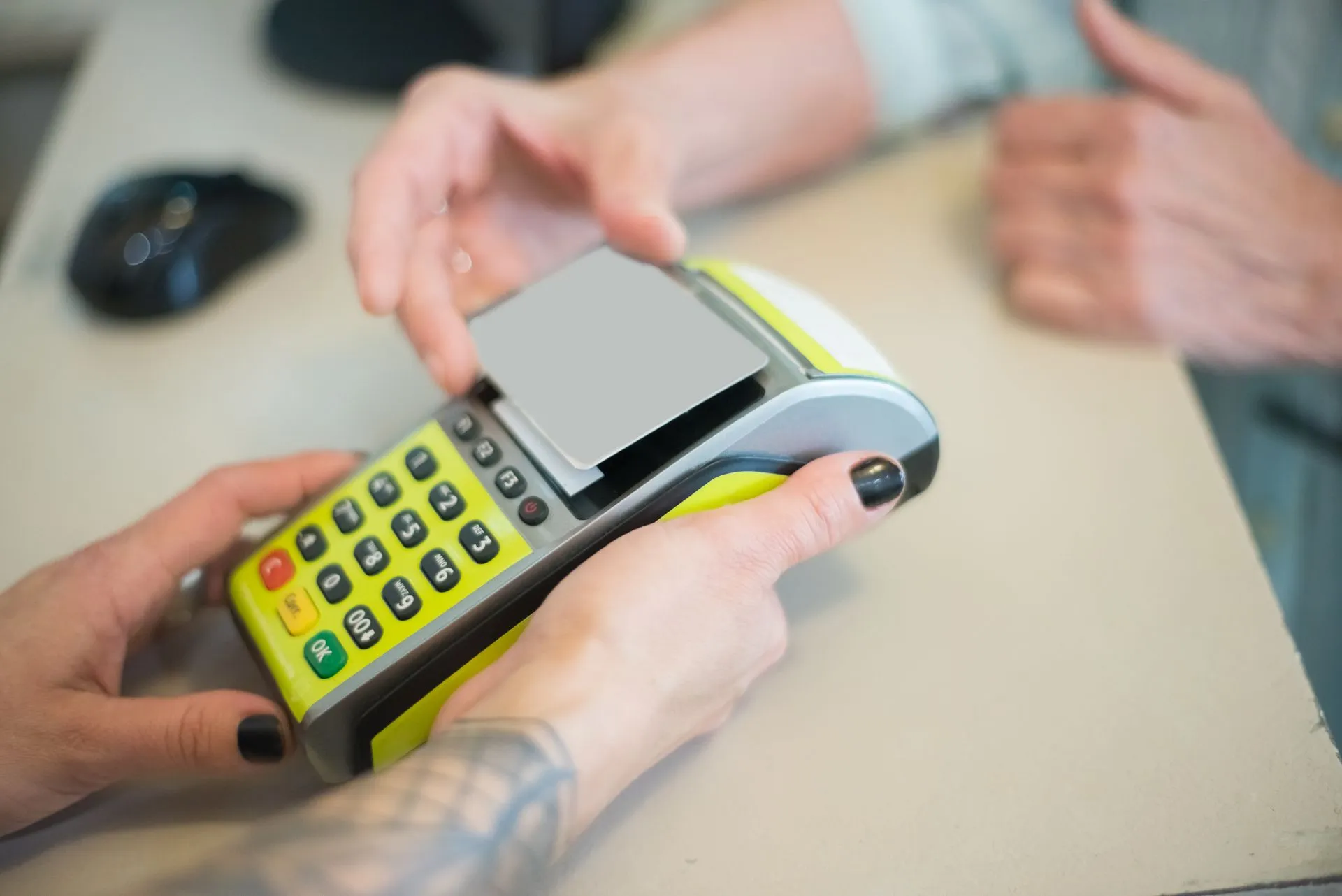
POS hardware discounts are spreading as point-of-sale (POS) providers compete for merchants' payments volume, while vendors push into new types of businesses. Between September 29 and October 1, 2026, Toast (TOST) moved into fuel and Nayax (NYAX) closed a deal for a smart parking company.
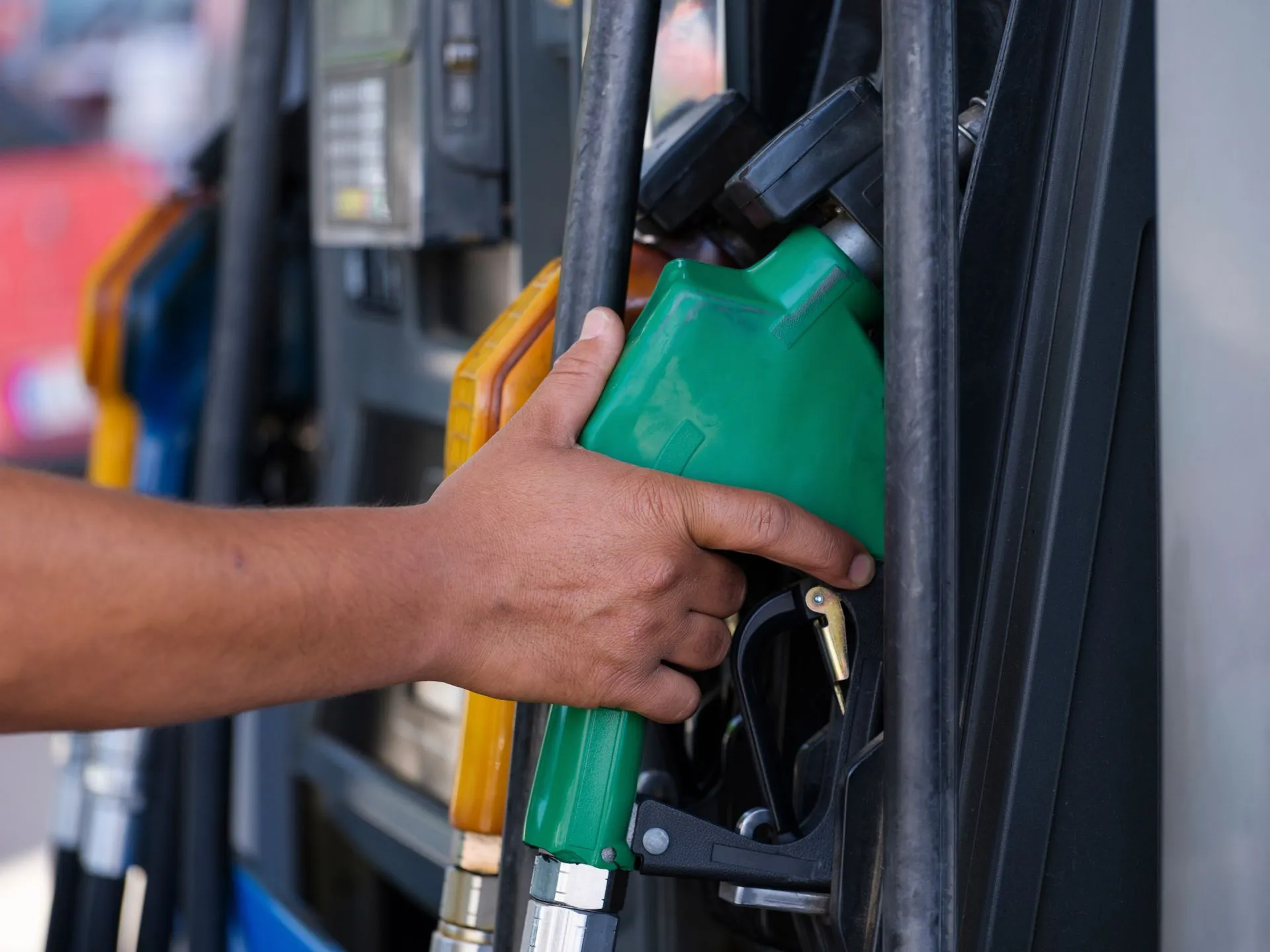
On September 29, Toast announced Toast Fuel, which lets convenience store operators process fuel payments, including fleet cards at the pump, alongside food service and general retail sales on one cloud platform, Payments Dive reported. The product includes a dedicated forecourt interface for paying for gas in the store and an offline mode for taking payments during internet outages. OWL Services, a distributor of petroleum products and electric vehicle charging, handles installation logistics.
Payments Dive cited data from NACS, the convenience store trade group, showing that convenience retailers sell about 80% of the fuel bought in the U.S. Omri Traub, Toast's chief operating officer of retail, said the company wants to give c-store operators modern tools so they can focus on customers rather than on managing technology.
Pricing is also in play. Analysts at Robert W. Baird found a price-cutting trend after conversations at the Western States Acquirers Association conference in September 2026, Payments Dive reported. Toast has used free hardware coupled with software discounts to add locations, according to the report, a model in which vendors subsidize devices and earn the money back on software and processing. Payments Dive put Toast at about 180,000 merchant locations and Square's seller network at about 4.5 million merchants.
"If you get someone on the platform through a discounted hardware, now you've got them ingrained in your software," Baird's Jacob Haggarty told Payments Dive. Payments consultant Cliff Gray called pricing in the industry chaotic. The outlet noted that hardware is getting more expensive because of memory chip and processor costs, and that restaurants are adding stations, kitchen printers, handhelds and pay-at-table devices.
On October 1, Nayax completed its acquisition of IPS Group, a San Diego-based smart parking payments company, from Windjammer Capital Investors for $350 million in cash on a cash-free, debt-free basis, according to Nayax's filing with the SEC. IPS serves more than 250,000 parking spaces in the U.S., Canada, the U.K. and Ireland and expects fiscal 2026 revenue of more than $90 million, over 60% recurring, with adjusted EBITDA of about $21 million, Nayax said.
The numbers
- Toast merchant locations
- About 180,000
- Square seller network
- About 4.5 million merchants
- Share of U.S. fuel sold by c-stores (NACS)
- About 80%
- Nayax price for IPS Group
- $350 million, all cash
- IPS parking spaces served
- 250,000+
- IPS expected FY2026 revenue
- $90 million+ (60%+ recurring)
Why CEOs should care
For restaurant, retail and convenience store owners, the discounting gives buyers room to negotiate. If vendors are willing to give away hardware to win locations, merchants comparing systems should ask for free or reduced-price terminals, lower software fees or a better processing rate, and get any concession in writing. The trade-off is lock-in: the cheaper the hardware, the more the vendor expects to earn on processing over the life of the contract.
CFOs should look at total cost rather than the device price. Ask how long the contract runs, what early termination costs, whether you can use another processor, and how rates change after an introductory period. Baird's comment that discounted hardware gets merchants ingrained in a vendor's software is a reminder that switching later will be harder.
Convenience store operators now have a new option for fuel, a category with its own requirements like fleet cards. Operators should ask about forecourt equipment compatibility, offline performance and who supports pump hardware. City and university parking managers, meanwhile, should expect Nayax to pitch combined parking, payments and EV charging at the curb.
The bigger picture
The common thread is that POS and payments companies are reaching into new industries and subsidizing entry costs to capture recurring payments revenue. Nayax said the IPS deal expands its addressable cashless market by about $85 billion, to about $342 billion by 2029, a company estimate. Competitors named by Payments Dive include Global Payments' Genius, Fiserv's Clover, Shift4 Payments, NCR Voyix and Lightspeed Commerce.
What’s next
Watch whether discounting shows up in Toast's and Block's next earnings as pressure on hardware margins, how quickly Toast Fuel signs convenience chains, and how Nayax integrates IPS under Chief Executive Chad Randall, who continues to lead IPS from San Diego.
What “Fact-checked” means
Fact-checking means testing a story’s facts against the evidence before it is published. This story went through at least two separate checks before this version was published.
- What we checked
- Its names, figures, dates, job titles, quotes and who said what were checked against the story’s sources, including its main source where it could be opened. The headline was checked for accuracy and overstatement.
- How
- A first check reviewed the whole story. If it passed, a second, skeptical check went back to the sources to look for mistakes in the most important facts. If a check flagged the story, it was edited to fix the problems found, and a separate re-check then reviewed the whole story again.
- Who
- The checks are made by our newsroom, as steps kept separate from the writing, under rules set by our editor, Hussein Mukhtar. A story the checks still flag is held for the editor, who decides whether it is fixed, published or dropped.
- If something is wrong
- “Fact-checked” does not mean error-free. If a material error is found after publication, we correct the story and add a note saying what changed. Report an error
Companies in this story