The news
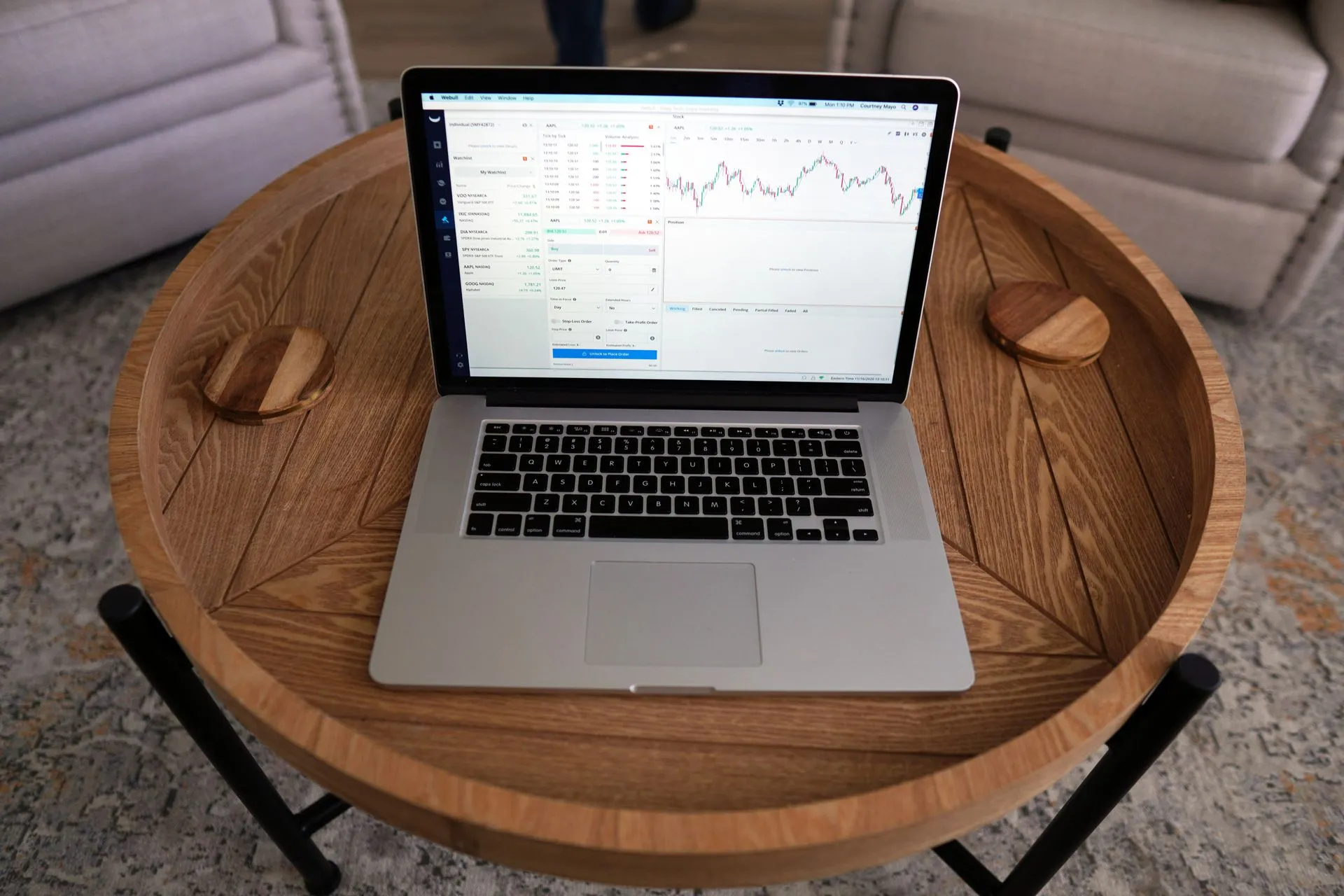
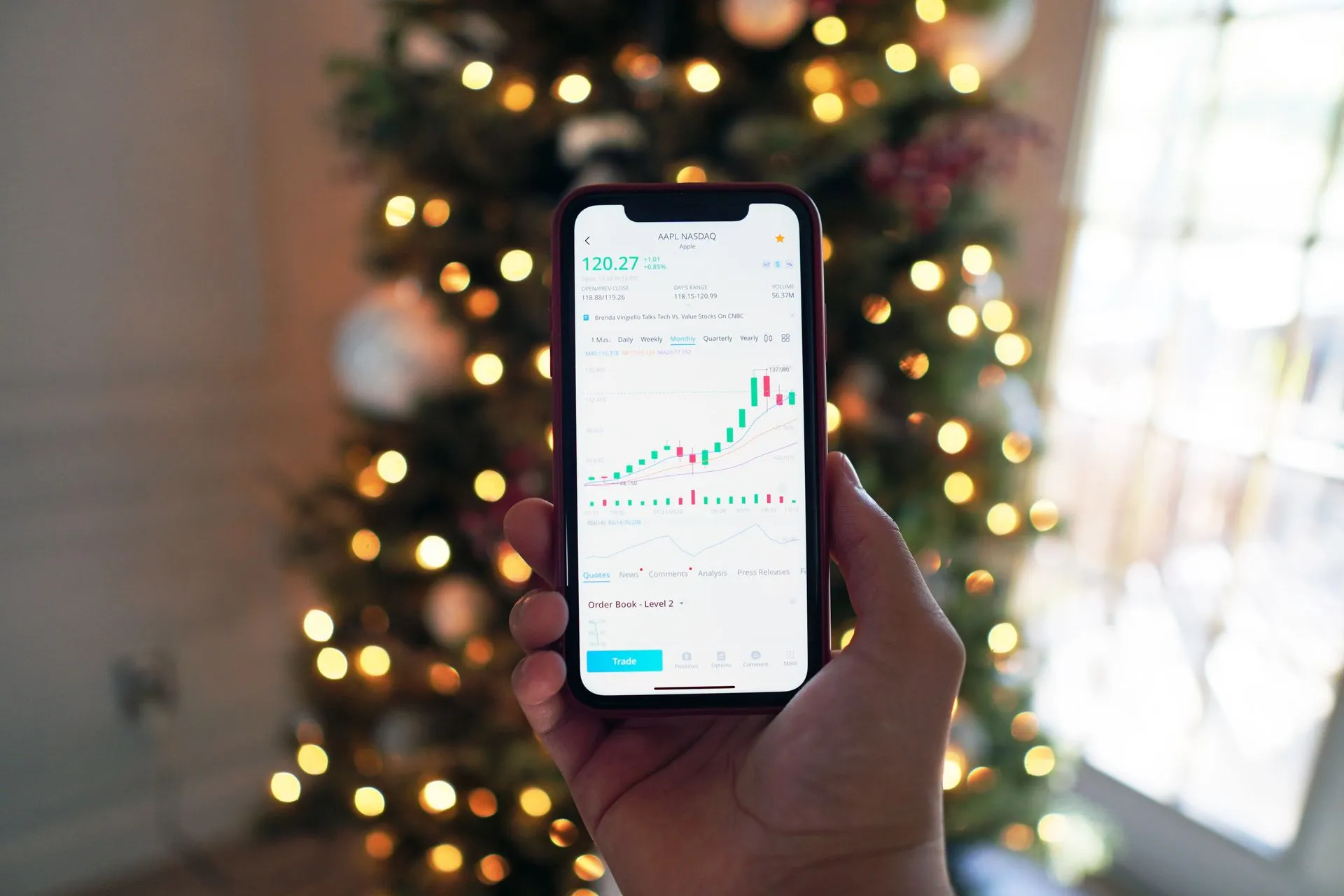
Robinhood Markets (HOOD) unveiled Robinhood Agents, AI agents built into its app that can analyze markets and place trades for customers, at its HOOD Summit in Houston on September 29, 2026, PYMNTS reported. The feature is coming soon to eligible U.S. customers, according to the report.
The agents trade only in a dedicated Agentic account, separate from a customer's other Robinhood accounts, according to Robinhood's support documentation. Customers need an open individual investing account first, and the Agentic account can be a cash account or a limited margin account, which Robinhood says offers no borrowing power or leverage. Each Robinhood account gets one built-in agent.
By default, trade approvals are switched on: the agent proposes trades and the customer must review and place them. Robinhood's documentation says customers can turn approvals off, letting the agent execute eligible trades without confirmation, though some trades may still need approval. PYMNTS reported that crypto trades in California, Connecticut and New York must keep approval. A feature called Loops lets agents run standing instructions automatically.
Customers choose from third-party AI models, PYMNTS reported, including an OpenAI model offered free through the end of the year, with others billed at standard token rates. Paid market data from 11 providers, including Nasdaq, is available through Agent Apps for $5 to $30 a month after a one-month trial. Robinhood's documentation says it does not build, train or own the underlying AI.
On responsibility, Robinhood's support page tells customers they are responsible for their agent's actions, including the trades it places. PYMNTS reported that all risk for agent trades falls on the customer and that Robinhood does not supervise, monitor or audit the agents. Robinhood said it had 28.6 million funded customers as of August 2026, according to PYMNTS.
The numbers
- Funded Robinhood customers (Aug. 2026)
- 28.6 million
- Paid data providers available
- 11
- Agent Apps data pricing
- $5 to $30 a month
- Agents per Robinhood account
- 1
Why CEOs should care
For compliance leaders at brokerages and wealth firms, Robinhood's design puts the question of responsibility in plain view. If a customer turns off approvals and an agent trades badly, Robinhood's terms say the customer bears the result. Firms considering similar features should ask counsel how suitability, best-interest and supervision obligations apply when software, not a person, places the order, and document the answer before regulators ask.
For competing brokers, this sets a new product bar for active traders. Product teams should decide whether to offer agent trading, and if so, which guardrails to keep: separate accounts, no leverage, default approvals and state-by-state limits like the crypto exceptions Robinhood applies. Those choices will shape both customer trust and regulatory exposure.
For CISOs and risk officers, any account that executes trades on instructions from a third-party model raises questions about prompt manipulation, model errors and account takeover. Ask how agent actions are logged, how quickly a customer or the firm can pause an agent, and how fraud monitoring treats rapid automated orders.
The bigger picture
Agentic AI is spreading across financial services, from Ant International, Visa and Mastercard working on Know Your Agent rules for AI payments to banks letting agents read but not move money, which Tech CEO Daily covered earlier. Robinhood goes further than most by letting retail customers allow agents to trade without per-order consent.
What’s next
Watch the U.S. rollout timing, whether the SEC or FINRA comment on supervision of retail trading agents, and whether rival brokers announce similar agent features or stricter guardrails in response.
What “Fact-checked” means
Fact-checking means testing a story’s facts against the evidence before it is published. This story went through at least two separate checks before this version was published.
- What we checked
- Its names, figures, dates, job titles, quotes and who said what were checked against the story’s sources, including its main source where it could be opened. The headline was checked for accuracy and overstatement.
- How
- A first check reviewed the whole story. If it passed, a second, skeptical check went back to the sources to look for mistakes in the most important facts. If a check flagged the story, it was edited to fix the problems found, and a separate re-check then reviewed the whole story again.
- Who
- The checks are made by our newsroom, as steps kept separate from the writing, under rules set by our editor, Hussein Mukhtar. A story the checks still flag is held for the editor, who decides whether it is fixed, published or dropped.
- If something is wrong
- “Fact-checked” does not mean error-free. If a material error is found after publication, we correct the story and add a note saying what changed. Report an error