
The news
Flow Engineering funding has reached a new level: the San Francisco startup raised $50 million in a Series B round at a $750 million valuation, TechCrunch reported on September 30, 2026. The company builds AI agents for hardware engineering teams.
The round was led by Antonio Gracias of Valor Equity Partners and Gavin Baker of Atreides Management, according to TechCrunch and SiliconANGLE. Sequoia Capital, which led Flow's Series A in October 2025, also took part. TechCrunch reported that former Sequoia partner Roelof Botha invested as an individual and joined the company's board. SiliconANGLE listed further participants including Human Capital, Evantic, SV Angel, Odyssey and EQT.
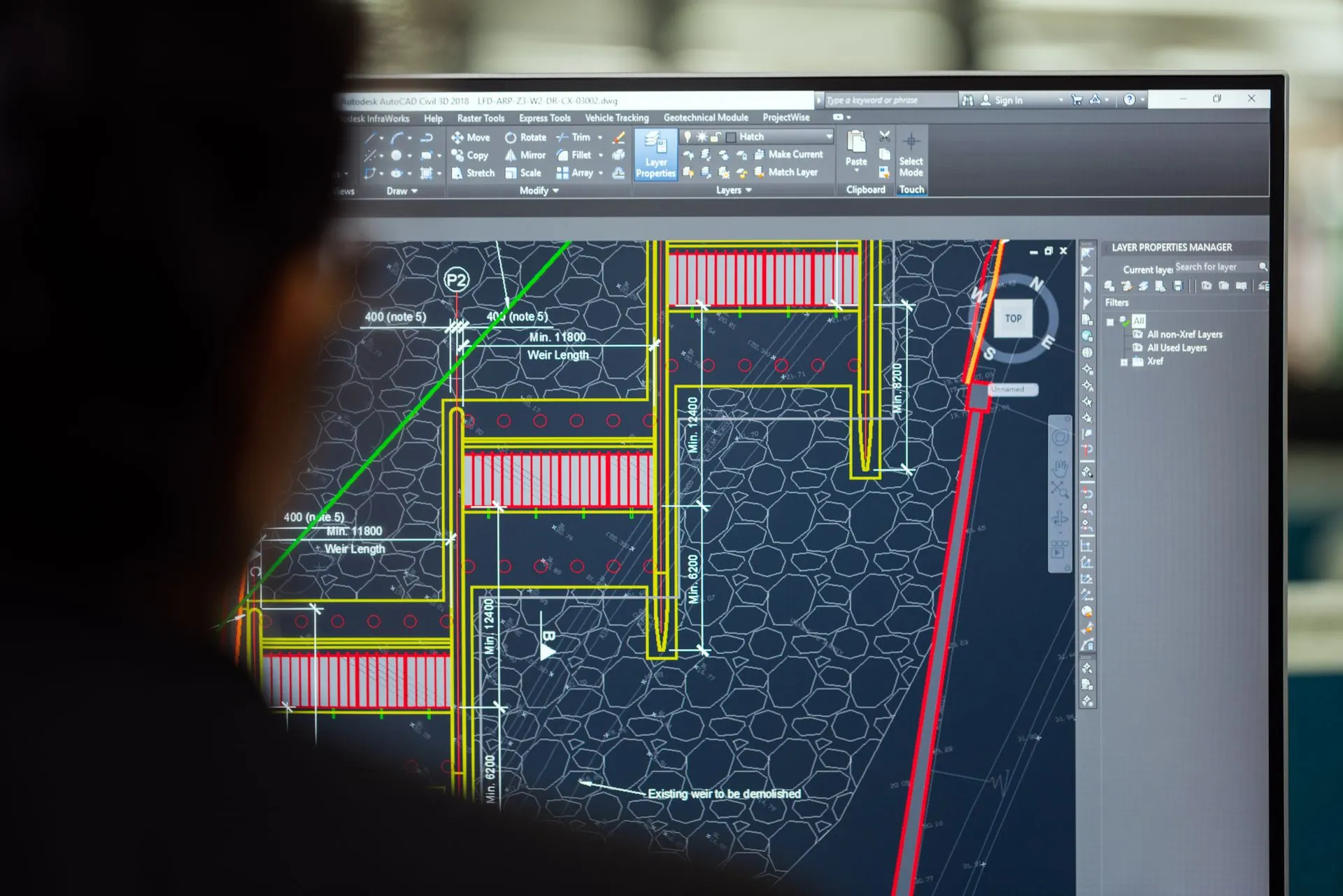
Flow, founded in 2023 according to TechCrunch, sells software that connects the many artifacts of a physical product's development. TechCrunch described its agents as aligning CAD drawings (computer-aided design files) with product requirements, simulation results and test data. SiliconANGLE said the platform covers mechanical, electrical and software integration, and that the company says its agents can shrink validation and verification work from months to days.
The customer list leans heavily toward aerospace, defense and vehicles. TechCrunch named Anduril, Rivian, Joby Aviation, General Motors' Performance Power Units business, RV Tech (the Rivian and Volkswagen joint venture) and Stoke Space. SiliconANGLE added Intuitive Machines, Pacific Fusion, Astranis and Radiant Industries.
Chief executive Pari Singh framed the pitch as a race. Every hardware company must decide how fast it will adopt AI, he said, according to SiliconANGLE, adding that early movers will win their markets. SiliconANGLE reported the company plans to use the money to build secure data-handling capabilities, grow its engineering team and pursue FedRAMP authorization, the federal security approval required to sell cloud software to many US government agencies.
The numbers
- Series B raised
- $50 million
- Valuation
- $750 million
- Founded
- 2023
- Series A
- October 2025, led by Sequoia
Why CEOs should care
For engineering and operations leaders at hardware companies, the question is no longer whether AI touches the design process but where. Verification, the slow work of proving a design meets every requirement, is a natural first target because it is document-heavy and repetitive. Ask your teams how many weeks each design change spends in review, and whether requirements, CAD and test results live in systems that can talk to each other at all.
CFOs should treat claims of months-to-days savings as vendor claims until a pilot proves them on your own programs. A sensible test is a single subsystem with clear requirements and an existing test record, measured against the last comparable cycle. If the gain holds, the payoff is not just labor: shorter verification loops can pull forward launch dates and reduce late-stage rework, which is usually the most expensive kind.
CISOs and general counsel have a sharper concern. These agents need access to a company's most sensitive intellectual property, and in defense work, to controlled technical data. Flow's stated plan to pursue FedRAMP and build secure data handling signals that buyers are asking. Before any rollout, confirm where models run, whether your data trains anything shared, and how export-control obligations are met.
The bigger picture
Most of the money in agentic AI has gone to software: coding agents, customer-service agents and back-office automation. Flow's round is a bet that the same approach can work on physical products, where errors surface late and cost far more to fix. The backers matter here. Two outside firms led the round, and Sequoia doubled down within a year of leading the Series A.
The customer mix also says something about where the demand sits. Defense contractors, launch companies and electric-vehicle makers run fast, small engineering teams under pressure to iterate quickly, which makes them early adopters of tools that compress design cycles.
What’s next
Watch whether Flow wins FedRAMP authorization, which would open direct sales to federal agencies, and whether large traditional aerospace and automotive suppliers, not only venture-backed newcomers, appear on its customer list. Incumbent engineering-software vendors are likely to respond with agent features of their own.
What “Fact-checked” means
Fact-checking means testing a story’s facts against the evidence before it is published. This story went through at least two separate checks before this version was published.
- What we checked
- Its names, figures, dates, job titles, quotes and who said what were checked against the story’s sources, including its main source where it could be opened. The headline was checked for accuracy and overstatement.
- How
- A first check reviewed the whole story. If it passed, a second, skeptical check went back to the sources to look for mistakes in the most important facts. If a check flagged the story, it was edited to fix the problems found, and a separate re-check then reviewed the whole story again.
- Who
- The checks are made by our newsroom, as steps kept separate from the writing, under rules set by our editor, Hussein Mukhtar. A story the checks still flag is held for the editor, who decides whether it is fixed, published or dropped.
- If something is wrong
- “Fact-checked” does not mean error-free. If a material error is found after publication, we correct the story and add a note saying what changed. Report an error
Companies in this story