The news
RobCo, a Munich-based maker of industrial robots, has reached a valuation of more than $1 billion in a $40 million funding round, SiliconANGLE reported on October 5, 2026. The RobCo valuation doubled from its level in January, according to the report.
The round was mostly a secondary sale, meaning current and former employees sold existing shares to investors rather than the company issuing all new stock, SiliconANGLE reported. Tech Funding News described the deal as an employee secondary share sale combined with new primary investment. Investors included Sequoia and Lightspeed, per SiliconANGLE.
Tech Funding News listed existing backers Sequoia, Lightspeed, Greenfield, Kindred, Lingotto and Promus Ventures, and named Cherry Ventures and European Tech Collective as new investors. The outlet reported that RobCo raised a $100 million Series C in January 2026, co-led by Lightspeed and Lingotto, and that the valuation doubled in nine months.
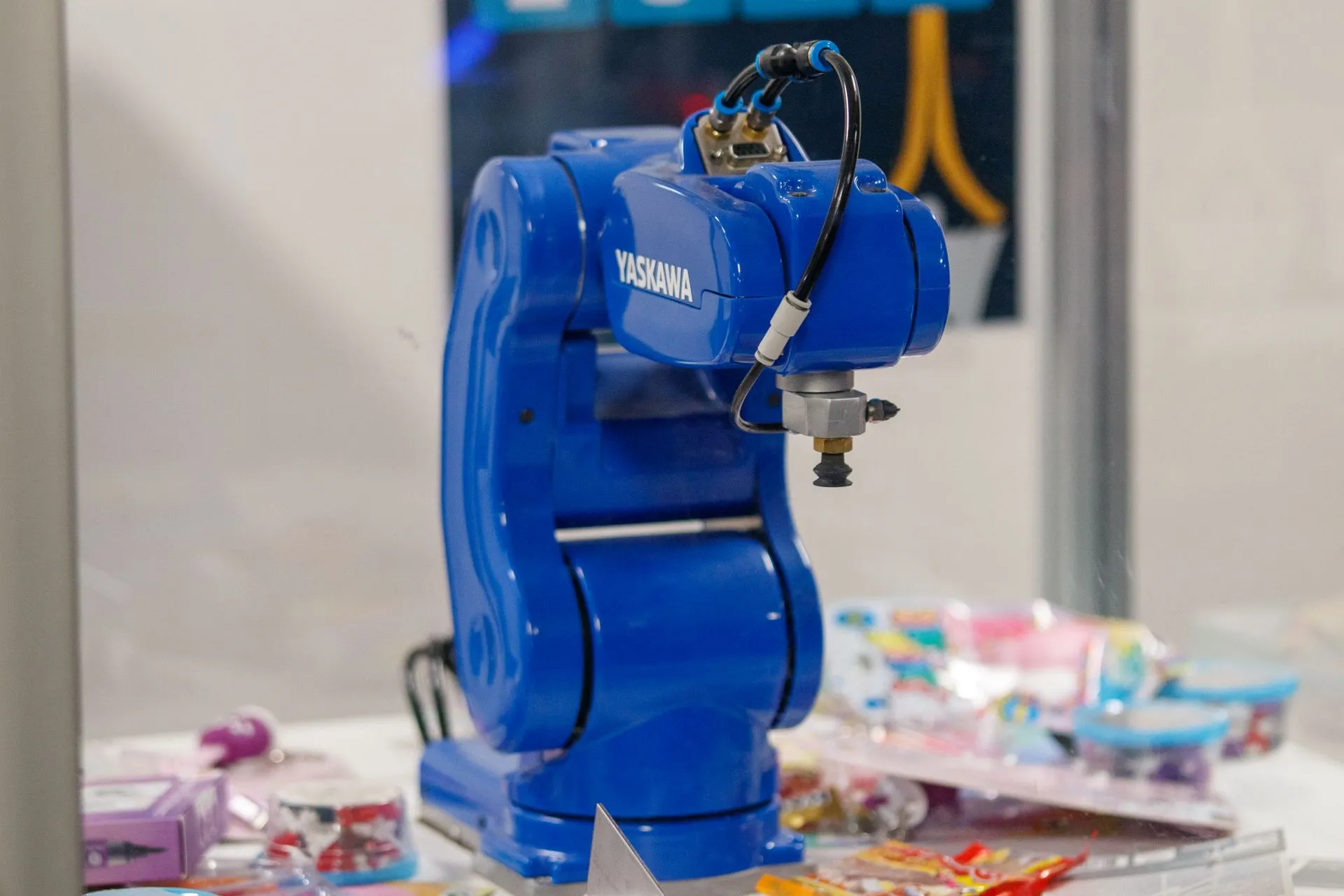
Founded in 2020 by Roman Hölzl, Paul Maroldt and Constantin Dresel, RobCo builds modular robotic arms, including an XL model that can lift 88 pounds, according to SiliconANGLE. Its flagship Alfie is a two-armed mobile robot. Software includes RobVision, an AI engine that adapts to tasks; RobFlow, a no-code tool for programming robots without writing software; and RobCo Studio for hardware configuration and maintenance.
The company sells through a robotics-as-a-service model, in which customers pay for robots on a recurring basis instead of buying them outright, Tech Funding News reported. The robots handle logistics and manufacturing tasks such as metalworking, quality inspection and assembly line work.
RobCo is expanding in the US, which Tech Funding News called its fastest-growing market. It has a manufacturing facility in Austin, Texas, a lab in San Francisco and customers across a dozen US states, and Hölzl has relocated to San Francisco. Tech Funding News reported that RobCo plans a commercial launch of Alfie on March 4, 2027, at its RobCoN summit in Munich.
The numbers
- Round size
- $40 million
- Valuation
- More than $1 billion
- Series C (January 2026)
- $100 million
- XL arm payload
- 88 pounds
- US states with customers
- About a dozen
Why CEOs should care
For operations leaders at mid-sized manufacturers, RobCo's pitch is automation without a big integration project: modular arms, no-code programming and a subscription model. Before signing, ask what a robot costs per month, what uptime and service guarantees come with it, and how quickly a cell can be reconfigured when a product line changes.
CFOs should weigh the subscription model against buying equipment. Robotics-as-a-service shifts spending from capital budgets to operating budgets and can lower the upfront risk of a pilot, but total cost over several years may be higher. Model both options and check contract exit terms.
Boards and investors should read the deal structure carefully. A round that is mostly employee share sales gives staff a payout and sets a valuation mark, but brings in less new cash for the company than the headline valuation might suggest. The split between new money and share sales was not disclosed.
The bigger picture
Factory robotics is drawing heavy investor interest as manufacturers face labor shortages and push to move production closer to customers. RobCo's US manufacturing in Austin and its CEO's move to San Francisco reflect how European robotics startups increasingly treat the US as their main growth market.
What’s next
The next milestone is Alfie's planned commercial launch on March 4, 2027. Watch for named US customers, pricing for the mobile robot and whether RobCo raises a larger primary round to fund US expansion.
What “Fact-checked” means
Fact-checking means testing a story’s facts against the evidence before it is published. This story went through at least two separate checks before this version was published.
- What we checked
- Its names, figures, dates, job titles, quotes and who said what were checked against the story’s sources, including its main source where it could be opened. The headline was checked for accuracy and overstatement.
- How
- A first check reviewed the whole story. If it passed, a second, skeptical check went back to the sources to look for mistakes in the most important facts. If a check flagged the story, it was edited to fix the problems found, and a separate re-check then reviewed the whole story again.
- Who
- The checks are made by our newsroom, as steps kept separate from the writing, under rules set by our editor, Hussein Mukhtar. A story the checks still flag is held for the editor, who decides whether it is fixed, published or dropped.
- If something is wrong
- “Fact-checked” does not mean error-free. If a material error is found after publication, we correct the story and add a note saying what changed. Report an error
Companies in this story