
The news
Quartermaster raises $140 million to expand a network of sensors mounted on ships, the Arlington, Virginia, startup announced on September 28. The package combines a $100 million Series B led by Insight Partners with a $40 million venture debt facility from investment bank Stifel.
Defense-focused Overmatch Ventures joined as a new investor. Returning backers include First Round Capital, Quiet Capital, Steel Atlas and TMV, with Box Group and Operator Partners also supporting the company, according to a post by chief executive Neil Sobin. The raise follows a $43 million Series A in May that First Round Capital and Quiet Capital co-led.
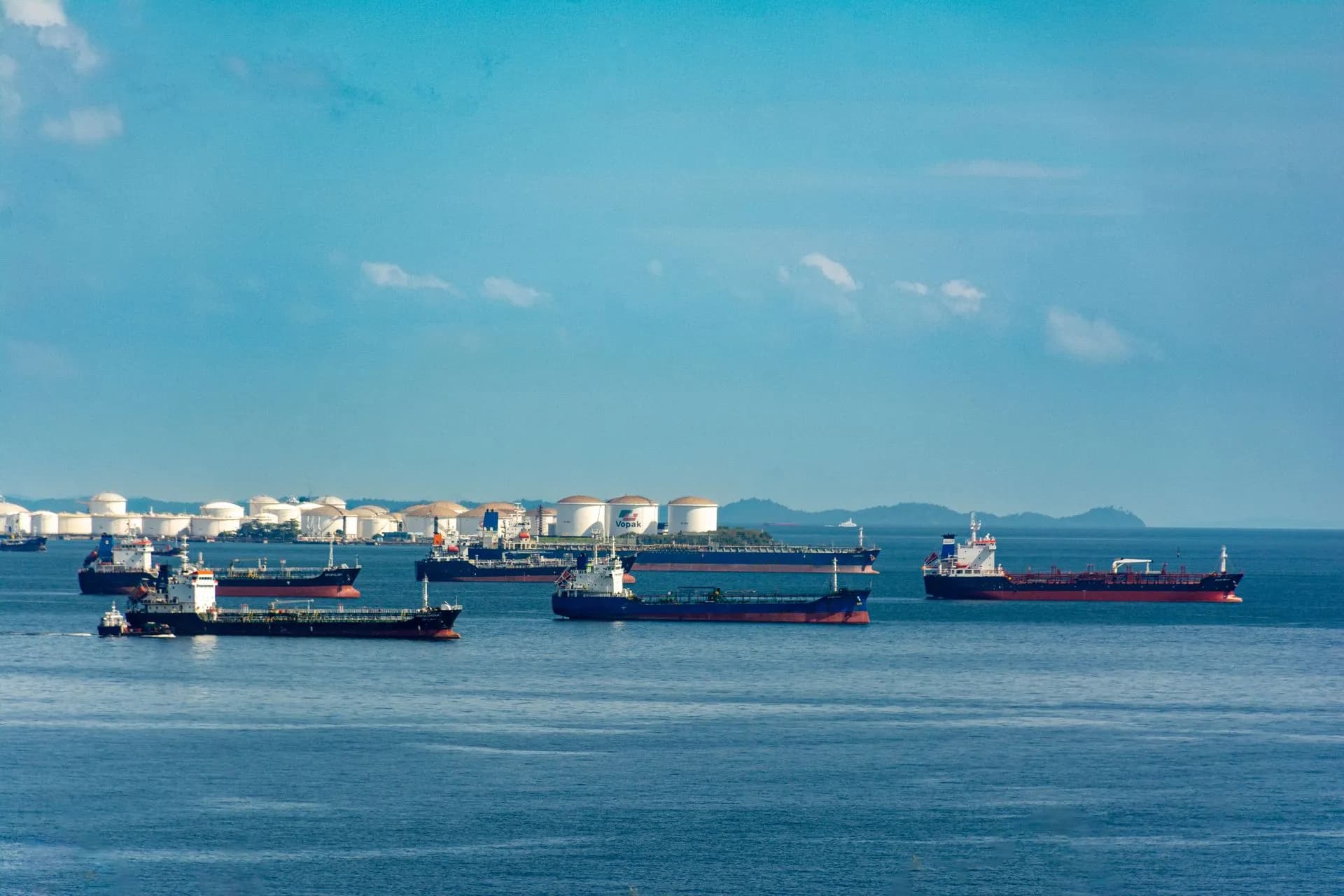
Quartermaster builds what it describes as a distributed data network for ocean visibility. Its SmartMast units are weather-hardened sensor packages installed on vessels' masts that collect real-time data on maritime activity. TechCrunch reported that the approach lets governments, shipping companies and insurers see far more than they can through AIS, the Automatic Identification System, which it characterized as essentially a stream of position pings.
More than 650 vessels in 25 countries now carry SmartMast, and the company has shipped over 800 units, Sobin told TechCrunch. Quartermaster said it will use the new capital to grow its engineering team, recruit more vessels into the network and extend coverage across fishing grounds and commercial shipping lanes. The company did not disclose revenue or its valuation.
Sobin framed the business case around risk pricing. In his announcement post he described a cargo that could not move because the ship could not be insured, writing that “the risk couldn't be priced.” He told TechCrunch that the company had gained conviction in its core thesis this year, and that world events had driven that clarity and urgency.
The numbers
- Total raised in September round
- $140 million
- Series B equity
- $100 million
- Venture debt (Stifel)
- $40 million
- Series A (May 2026)
- $43 million
- Vessels equipped
- 650+ in 25 countries
Why CEOs should care
For chief risk officers and executives at insurers, shippers and commodity traders, better maritime data changes how risk is priced. If underwriters can see vessel behavior that AIS misses, premiums for routes through contested waters could become more precise, for better or worse. Ask your brokers and underwriters what data sources they now use to assess vessel risk, and whether independent sensor data could support lower premiums or faster claims decisions.
For supply chain leaders, the relevant question is visibility. Companies that depend on seaborne freight often learn of disruptions late. Procurement and logistics teams should ask their carriers and freight forwarders whether they subscribe to maritime intelligence services beyond AIS tracking, and how quickly they can reroute cargo when a region's risk profile changes.
For CFOs weighing startup vendors, note the capital structure. Roughly 29% of the new money is debt, which lowers dilution for founders but adds repayment obligations. Buyers signing multiyear data contracts with young, debt-financed companies should look for service-level commitments and data-access rights that survive a change of control.
The bigger picture
Quartermaster's raise came five days after a much larger round for a company selling surveillance technology to governments. On September 23, Portuguese-founded drone maker Tekever announced a $580 million Series D at a $6.4 billion valuation. On September 28, TechStartups described growing investor appetite for startups that merge AI with heavy industry and critical infrastructure, listing Quartermaster alongside chipmaker SiMa.ai and autonomous delivery company CargoX among the day's largest deals.
The model also depends on an unusual partnership structure. Quartermaster's sensors ride on vessels owned by others, including smaller maritime operators, according to the company, while insurers, fleets and energy operators use the resulting data. That two-sided setup means the company must keep both ship operators and data buyers interested, a dynamic closer to a marketplace than to a traditional hardware vendor.
What’s next
Watch for Quartermaster to announce named government or insurance customers, which it has not yet disclosed, and for growth in its vessel count from the 650 it reported in September. Its ability to recruit ship operators, who host the sensors, will determine how quickly its coverage gaps close and how valuable its data becomes to paying clients. Having raised twice in about four months, the company will face close scrutiny of how fast it converts capital into deployed sensors.
What “Fact-checked” means
Fact-checking means testing a story’s facts against the evidence before it is published. This story went through at least two separate checks before this version was published.
- What we checked
- Its names, figures, dates, job titles, quotes and who said what were checked against the story’s sources, including its main source where it could be opened. The headline was checked for accuracy and overstatement.
- How
- A first check reviewed the whole story. If it passed, a second, skeptical check went back to the sources to look for mistakes in the most important facts. If a check flagged the story, it was edited to fix the problems found, and a separate re-check then reviewed the whole story again.
- Who
- The checks are made by our newsroom, as steps kept separate from the writing, under rules set by our editor, Hussein Mukhtar. A story the checks still flag is held for the editor, who decides whether it is fixed, published or dropped.
- If something is wrong
- “Fact-checked” does not mean error-free. If a material error is found after publication, we correct the story and add a note saying what changed. Report an error
Companies in this story