The news
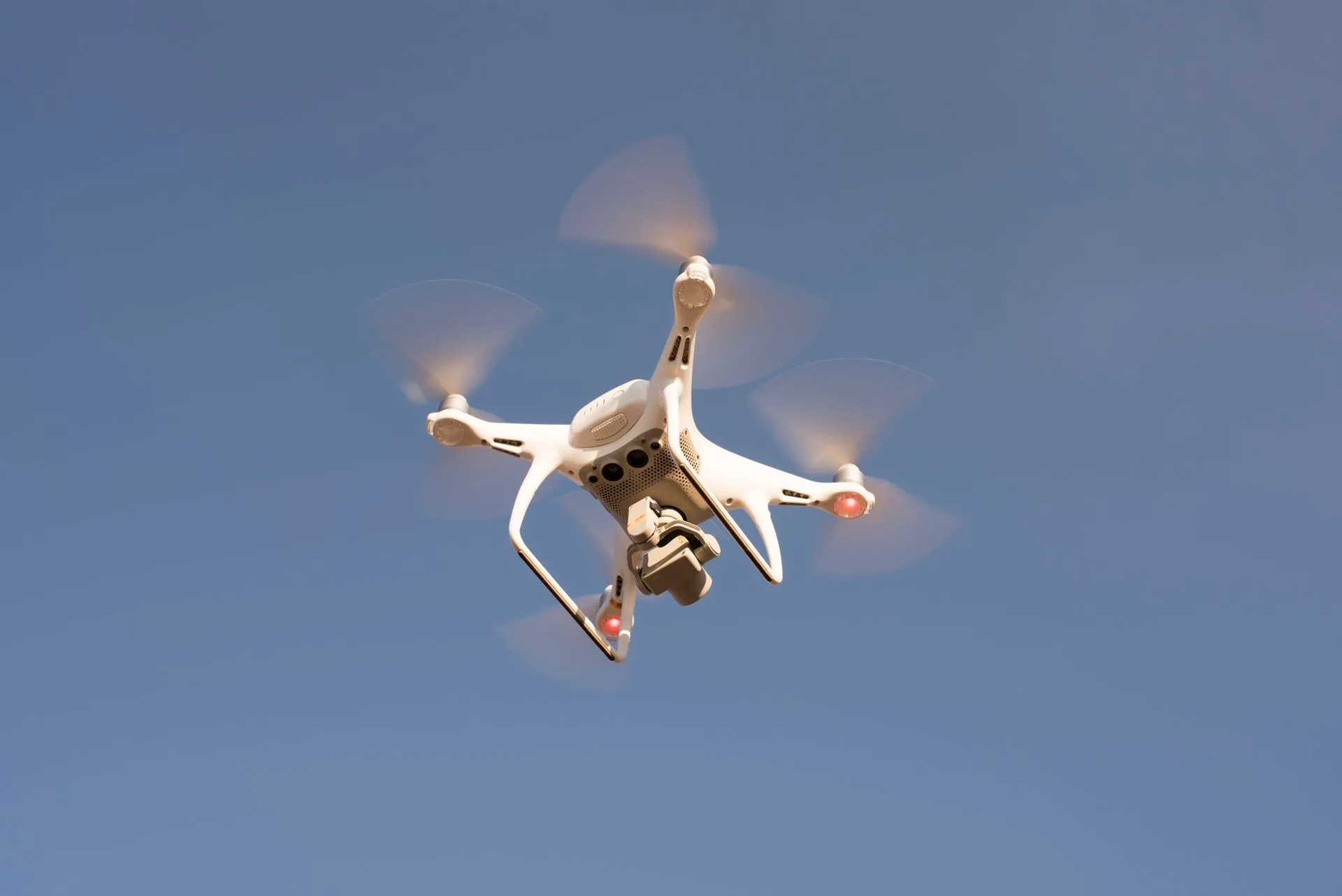
Defense tech funding is setting records in 2026, according to Crunchbase data, and Mach Industries is the latest example. On September 10, TechCrunch reported that the drone and weapons maker raised a $600 million Series C extension at a $3.7 billion valuation, double its June value.
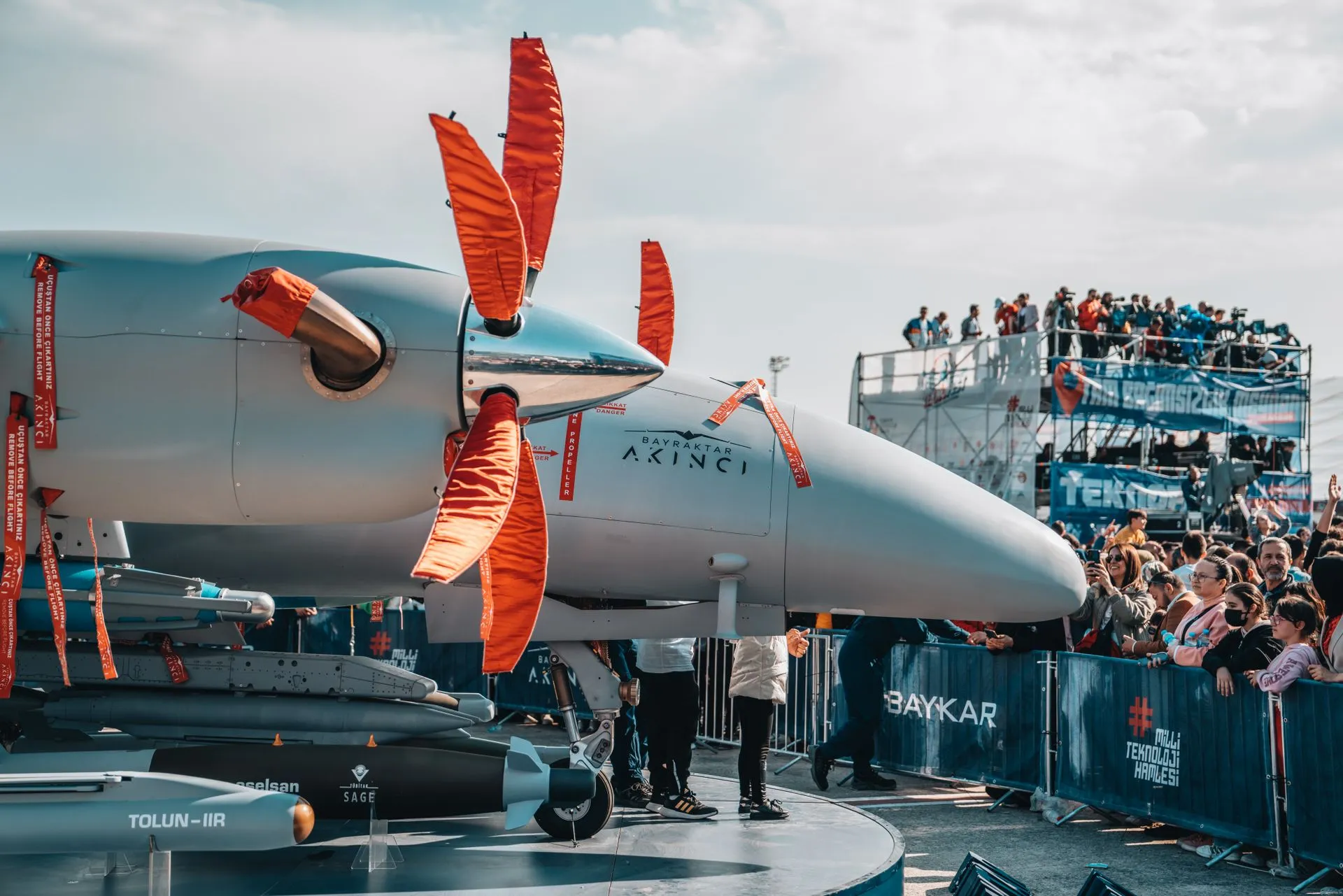
The extension brought Mach's Series C to $900 million, with Ribbit Capital, Infinite Capital, Bedrock Capital and Sequoia among the investors. Based in Huntington Beach, California, and led by 22-year-old founder Ethan Thornton, Mach builds vertical takeoff and landing drones, long-range strike systems, counter-drone systems and solid rocket motors, and is developing jet engines. Its valuation was $470 million in June 2025 and $1.8 billion in June 2026, according to TechCrunch.
Mach has been building capacity. It operates a 115,000-square-foot manufacturing facility at its Huntington Beach headquarters plus other California facilities, bought solid rocket motor startup Exquadrum in a $50 million cash-and-equity deal in May 2026, and won a US Army contract early in the year, TechCrunch reported.
It is part of a broader surge. Anduril Industries raised $5 billion at a $61 billion valuation in May, double its valuation from less than a year earlier, according to Crunchbase News. Shield AI raised $2 billion at a $12.7 billion valuation and Saronic $1.75 billion at $9.25 billion, both in March, while True Anomaly raised $600 million and Sierra Space $550 million. In August, defense tech company Hadrian was among seven companies worldwide to raise $1 billion or more in a single round.
Crunchbase, which defines defense tech as military, national security and law enforcement, counted nearly $13.6 billion raised by defense tech startups through mid-May 2026 and said on May 13 that the year was on track to more than double 2025's record of $8.8 billion.
The numbers
- Mach Industries valuation
- $3.7 billion (from $1.8 billion in June 2026)
- Mach Series C total
- $900 million, including the $600 million extension
- Anduril valuation (May 2026)
- $61 billion after a $5 billion raise
- Defense tech funding through mid-May 2026
- Nearly $13.6 billion
- 2026 defense tech outlook (Crunchbase, May)
- On track to more than double 2025's record $8.8 billion
- Physical AI funding, H1 2026
- $47.4 billion across 521 deals
Why CEOs should care
For defense primes and government program managers, venture-backed suppliers now have the capital to build factories before contracts are awarded. That can speed delivery, but it concentrates risk: a startup priced on expected production must win programs to justify its valuation. Buyers should ask for evidence of production capacity and yields, supplier depth for critical parts such as rocket motors, and contingency plans if the startup's next funding round slips. Where a single startup is the only source for a component, qualify a second supplier early.
For CFOs at companies that supply or partner with these startups, fast valuation jumps can mask thin revenue. Check payment terms, customer concentration and dependence on a single government program before extending credit or signing exclusive supply deals. Where possible, structure agreements around milestone payments rather than large upfront commitments, and ask for visibility into the startup's cash runway.
For boards and investors, the issue is discipline. Van Espahbodi, a general partner at Generational Partners with 25 years in aerospace and defense, said in a Crunchbase News Q&A published September 22 that many software investors moving into hardware cannot tell a strong opportunity from fear of missing out, warning of “tourists and FOMO.” Directors approving strategic investments should ask which contract awards and production milestones support each step-up.
The bigger picture
Defense sits inside a larger boom in physical AI, which Crunchbase defines as robotics, autonomous vehicles, aerospace, drones, industrial automation and sensors. That category raised $47.4 billion globally in the first half of 2026, about 80% more than a year earlier. Space startups raised a record $20.3 billion in 2026 through late August, and Stoke Space added a $1 billion Series E on September 8.
SpaceX's June IPO has added fuel: it raised $75 billion, and $85.7 billion after underwriters exercised an option to buy more shares, Reuters reported. Espahbodi called it an enormous wealth-creation event, and Crunchbase reported that software venture firms are now chasing former SpaceX engineers who start hardware companies. Espahbodi also pointed to the Space Force as the fastest-growing part of the Pentagon budget, a signal of where demand may concentrate. Anduril chief executive Brian Schimpf, quoted by Crunchbase in May, said defense was not a category attracting significant venture investment when the company was founded in 2017.
What’s next
Watch contract awards more than funding announcements. Mach, Anduril and Shield AI will need production orders to grow into their valuations. Also watch whether Crunchbase's year-end count confirms its May projection that 2026 funding would more than double 2025's $8.8 billion record, and whether any defense startup follows SpaceX to the public markets.
What “Fact-checked” means
Fact-checking means testing a story’s facts against the evidence before it is published. This story went through at least two separate checks before this version was published.
- What we checked
- Its names, figures, dates, job titles, quotes and who said what were checked against the story’s sources, including its main source where it could be opened. The headline was checked for accuracy and overstatement.
- How
- A first check reviewed the whole story. If it passed, a second, skeptical check went back to the sources to look for mistakes in the most important facts. If a check flagged the story, it was edited to fix the problems found, and a separate re-check then reviewed the whole story again.
- Who
- The checks are made by our newsroom, as steps kept separate from the writing, under rules set by our editor, Hussein Mukhtar. A story the checks still flag is held for the editor, who decides whether it is fixed, published or dropped.
- If something is wrong
- “Fact-checked” does not mean error-free. If a material error is found after publication, we correct the story and add a note saying what changed. Report an error