The news
Stoke Space, a Kent, Washington-based rocket developer, said on September 8, 2026, that it raised $1 billion in the initial close of a Series E round led by Point72 Ventures and Spark Capital, to prepare its fully reusable Nova rocket for first launch.
Stoke said the round brings its total funding to $2.3 billion. General Innovation, Glade Brook Capital, US Innovation Technology, Washington Harbour Partners, Woven Capital and Y Combinator also participated. Stoke did not disclose a valuation; Crunchbase News listed the company at $10 billion in its weekly roundup of the largest rounds.
Stoke said the money will prepare Nova Pathfinder for its first orbital launch, expand production and launch capacity, speed development of a larger Nova Block 2, and build the manufacturing, test, launch and recovery infrastructure needed for frequent flights. It is expanding its Moses Lake, Washington, test site from 75 acres to 550 and building launch, recovery and payload processing facilities at Cape Canaveral Space Force Station.
On September 22, Stoke said Nova Pathfinder Flight 1 is targeted for early 2027 from Space Launch Complex 14 at Cape Canaveral. It will carry two customer payloads: AstroForge's Autonomy-1 spacecraft, designed to run its mission without ground commands, and a Celestis payload. A NASA Goddard instrument will fly aboard Autonomy-1.
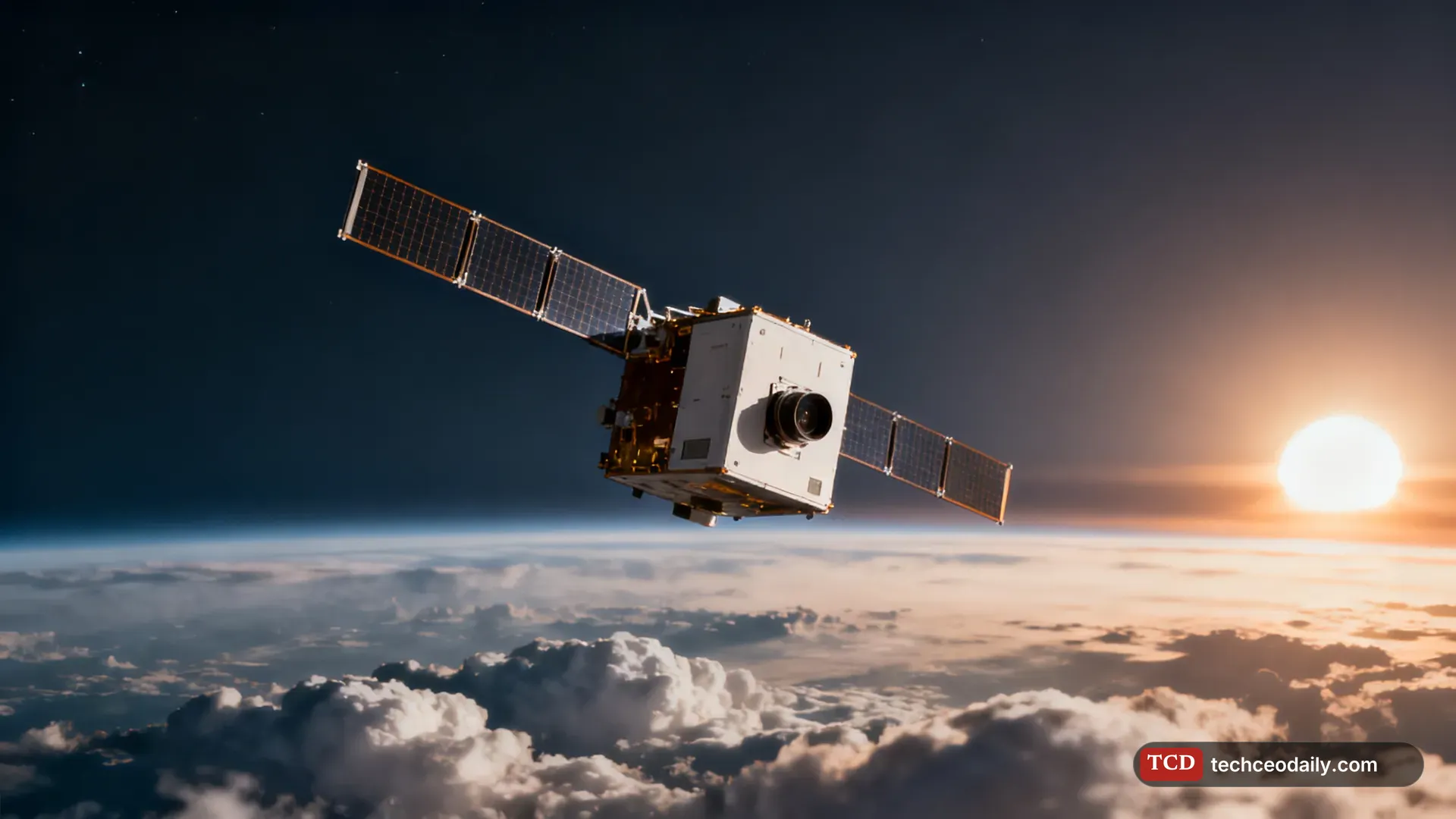
Nova Block 2, targeted for a first flight in 2029, is designed to carry 15 metric tons to low Earth orbit in a fully reusable configuration and more than 4 metric tons to geosynchronous transfer orbit. Full reusability means both the booster and the upper stage return to be flown again. Both versions use Stoke's Zenith first-stage engine, which burns liquefied natural gas and liquid oxygen, and an upper stage called Andromeda with an actively cooled metallic heat shield. Chief executive Andy Lapsa said reusability is how Stoke will reach cost floors while scaling availability, and Point72 Ventures' Chris Morales cited the company's technical progress.
The numbers
- Series E initial close
- $1 billion
- Total raised (per Stoke)
- $2.3 billion
- Valuation (Crunchbase listing)
- $10 billion; not disclosed by Stoke
- Nova Block 2 payload to low Earth orbit
- 15 metric tons (fully reusable)
- Moses Lake test site
- Expanding from 75 to 550 acres
- First Pathfinder flight
- Targeted for early 2027
Why CEOs should care
For satellite operators and companies that depend on space-based data, launch supply is the constraint. Stoke argues that launch capacity is short, with rising prices and scarce availability through 2028 and beyond. Operators planning constellations for 2028 to 2030 should treat new vehicles like Nova as a hedge rather than a certainty, and ask about launch slot guarantees, rebooking terms if a first-generation vehicle slips, and how insurers will price early flights.
For CFOs, a $1 billion raise before a first orbital flight shows how much capital launch companies consume before revenue scales. It also concentrates risk in a single milestone: Pathfinder's debut in early 2027. Contracts signed now should include price protection if reusability targets slip and clear remedies if schedules move, rather than large prepayments.
For boards of defense, telecom and Earth-observation companies, another US provider of fully reusable launch would add bargaining power in a market where SpaceX, which went public in June at a valuation of about $1.77 trillion according to Crunchbase, is the benchmark. Directors should ask whether space-dependent programs have more than one realistic launch path.
The bigger picture
Space tech is having a record year. Crunchbase counted $20.3 billion in global seed-to-growth funding for space startups in 2026 through late August, with US companies taking $12.7 billion, or more than 60%. In the week of September 12 to 18, the week after Stoke's round, Impulse Space, which builds in-space transport vehicles, raised a $308 million Series D extension, according to Crunchbase.
SpaceX's June IPO, which raised about $75 billion according to Crunchbase's first-half 2026 report, gave investors a public reference point for launch businesses. Van Espahbodi, general partner at Generational Partners, told Crunchbase News on September 22 that the listing created vast wealth and, together with the success of frontier AI labs, changed the investing climate, while warning that some software investors now chasing hardware and defense deals lack the expertise to judge them.
What’s next
The next checkpoint is Pathfinder's first flight in the first part of 2027. After that, watch cadence: how quickly Stoke can recover and refly both stages, whether it signs anchor contracts for Block 2 ahead of its 2029 debut, and whether the Series E grows beyond its $1 billion initial close. The announcements Tech CEO Daily reviewed did not include per-launch pricing, which buyers will need before committing constellation deployments to Nova.
What “Fact-checked” means
Fact-checking means testing a story’s facts against the evidence before it is published. This story went through at least two separate checks before this version was published.
- What we checked
- Its names, figures, dates, job titles, quotes and who said what were checked against the story’s sources, including its main source where it could be opened. The headline was checked for accuracy and overstatement.
- How
- A first check reviewed the whole story. If it passed, a second, skeptical check went back to the sources to look for mistakes in the most important facts. If a check flagged the story, it was edited to fix the problems found, and a separate re-check then reviewed the whole story again.
- Who
- The checks are made with our newsroom’s technology tools, as steps kept separate from the writing, under rules set by our editor, Hussein Mukhtar. A story the checks still flag is not published automatically; it is held for the editor, who decides whether it is fixed, published or dropped.
- If something is wrong
- “Fact-checked” does not mean error-free. If a material error is found after publication, we correct the story and add a note saying what changed. Report an error