
The news
Ando raises $20 million to build a team messaging platform in which AI agents work alongside employees as full participants, the startup said on September 24 as it left stealth. Accel, Index Ventures and Emergence Capital backed the company across pre-seed and seed rounds.
Accel led the pre-seed round and Index and Emergence led the seed, according to Accel's investment post; TechCrunch reported the combined $20 million figure. Ando's chief executive is Sara Du, who previously founded workflow automation company Alloy and, according to TechCrunch, helped companies build MCP servers in 2025. MCP, or Model Context Protocol, is a standard for connecting AI agents to software tools and data.
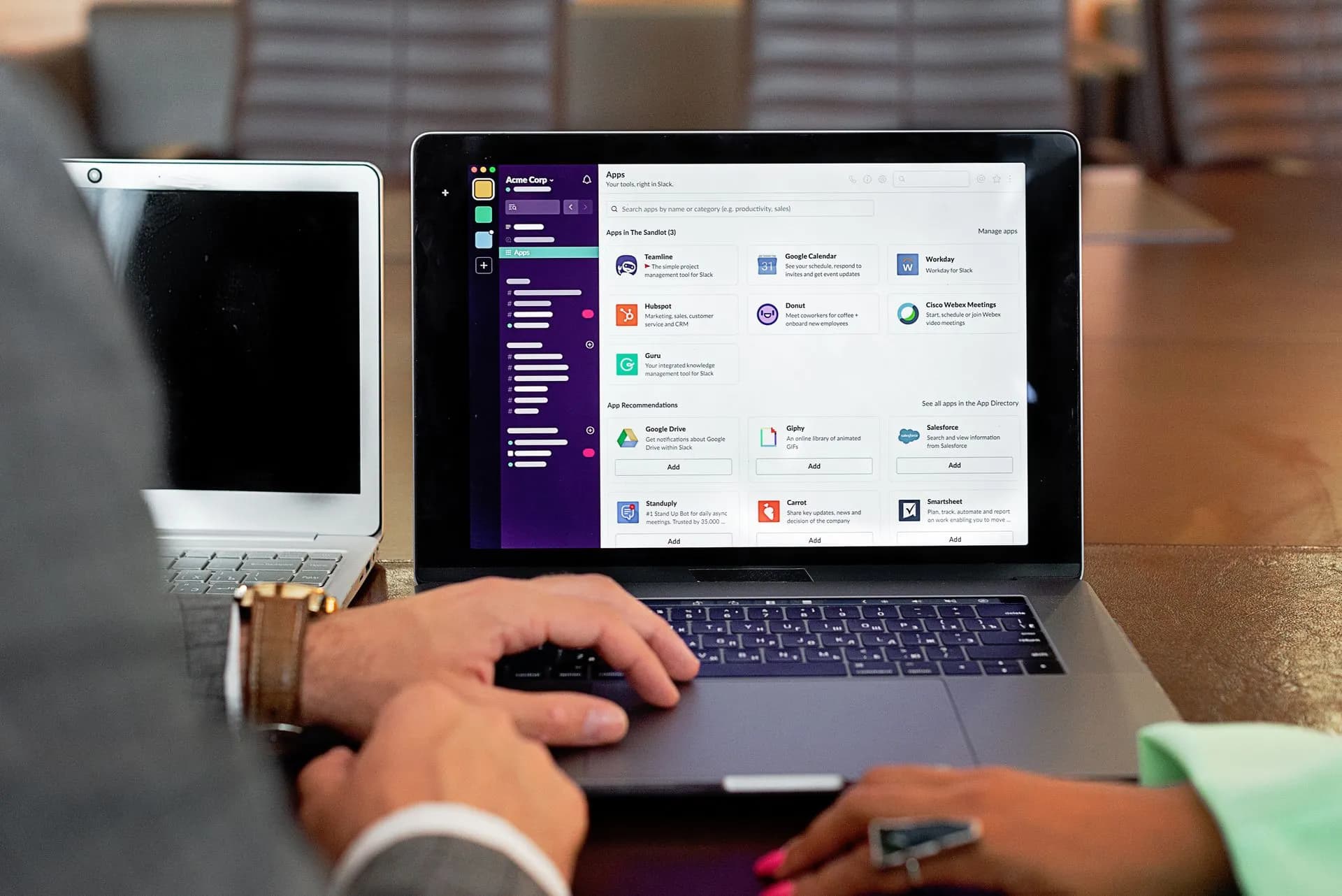
Ando is designed as a full replacement for Slack or Microsoft Teams rather than an add-on. Agents get their own identities and inboxes, can browse and join channels without being tagged, start direct messages with people and take part in group conversations and live calls, including transcribed ones, TechCrunch reported. The company says the platform works with agents from different providers, naming Claude, Codex, Devin and Grok Bot, and that it hosts agents through its own harness in the cloud.
Ando charges per human seat, with no metering per agent action or message, though it says the model may change. Access is by waitlist, and the product currently targets teams of two to 40 people, with plans to support larger teams by the end of the year, according to the company's launch post; Ando's homepage says it works best for teams of up to 30. Du told TechCrunch that Ando works with customers in software, real estate and finance across 15 countries, many of them small teams.
Du described the problem she is solving as people acting as go-betweens, relaying agents' work to colleagues instead of letting agents communicate directly. She told TechCrunch that Slack and Teams “were built for a world that was starting to pass us by.”
The numbers
- Pre-seed and seed funding
- $20 million
- Countries with customers
- 15
- Current target team size
- 2 to 40 people
Why CEOs should care
For CIOs and IT leaders, Ando is an early signal of a question every collaboration vendor will face: should agents be users with their own accounts, or integrations bolted onto human accounts? The answer shapes licensing, security and audit. Ask your current chat and collaboration vendors how they plan to identify agents, what permissions agents inherit, whether agent messages are retained and discoverable like employee messages, and how pricing will work as agent activity grows.
For CISOs and compliance teams, agents that can join channels and start conversations on their own raise governance issues. Before piloting any tool like this, define which channels agents may access, who owns an agent's actions, how agent credentials are revoked, and whether conversations involving agents fall under existing records-retention and e-discovery policies.
For CFOs, pricing is the practical tell. Ando's per-human-seat model means adding agents does not raise the bill, whereas usage-based pricing, charged per agent action or message, would tie cost directly to agent activity. When budgeting for AI-enabled collaboration tools in 2027, model both approaches, since the cost difference could be large for teams that run many agents. Ask vendors to commit in writing to how agent seats will be priced at renewal.
The bigger picture
Ando enters a crowded field. Slack turned its built-in bot into an AI agent earlier in 2026, Microsoft has built Copilot into Teams, and Jack Dorsey announced Buzz, a group chat platform for teams and their agents, in July, according to TechCrunch. Ando's bet is that a product designed around agents from the start can win teams before incumbents rebuild their own. Its round landed in a week of heavy investment in agent-focused companies: on September 28, consumer agent startup Instinct confirmed a $1 billion Series C at a $10 billion valuation.
What’s next
Watch for Ando to open access beyond its waitlist and to support teams larger than 40 people, as it has said it plans to do by year-end. Evidence of paying customers moving off Slack or Teams, rather than adding Ando alongside them, will be the key test of its replacement strategy.
What “Fact-checked” means
Fact-checking means testing a story’s facts against the evidence before it is published. This story went through at least two separate checks before this version was published.
- What we checked
- Its names, figures, dates, job titles, quotes and who said what were checked against the story’s sources, including its main source where it could be opened. The headline was checked for accuracy and overstatement.
- How
- A first check reviewed the whole story. If it passed, a second, skeptical check went back to the sources to look for mistakes in the most important facts. If a check flagged the story, it was edited to fix the problems found, and a separate re-check then reviewed the whole story again.
- Who
- The checks are made with our newsroom’s technology tools, as steps kept separate from the writing, under rules set by our editor, Hussein Mukhtar. A story the checks still flag is not published automatically; it is held for the editor, who decides whether it is fixed, published or dropped.
- If something is wrong
- “Fact-checked” does not mean error-free. If a material error is found after publication, we correct the story and add a note saying what changed. Report an error
Companies in this story