The news
Verda raises $189 million, or €163 million, in a Series B round led by Emergence Capital, the Helsinki-based AI cloud provider announced on September 22, 2026. The company said the money will accelerate product development and multiply its computing capacity over the next year.
Other investors include MUFG Innovation Partners, server maker Supermicro (SMCI), Finnish pension insurer Varma, Lifeline Ventures, ENDUR, 6 Degrees Capital, byFounders and Tesi, Finland's state-owned investment company, along with individual angels. Verda said total funding now exceeds $450 million, including equity and debt. Emergence said in a blog post that the round values Verda at more than $1 billion after the investment.
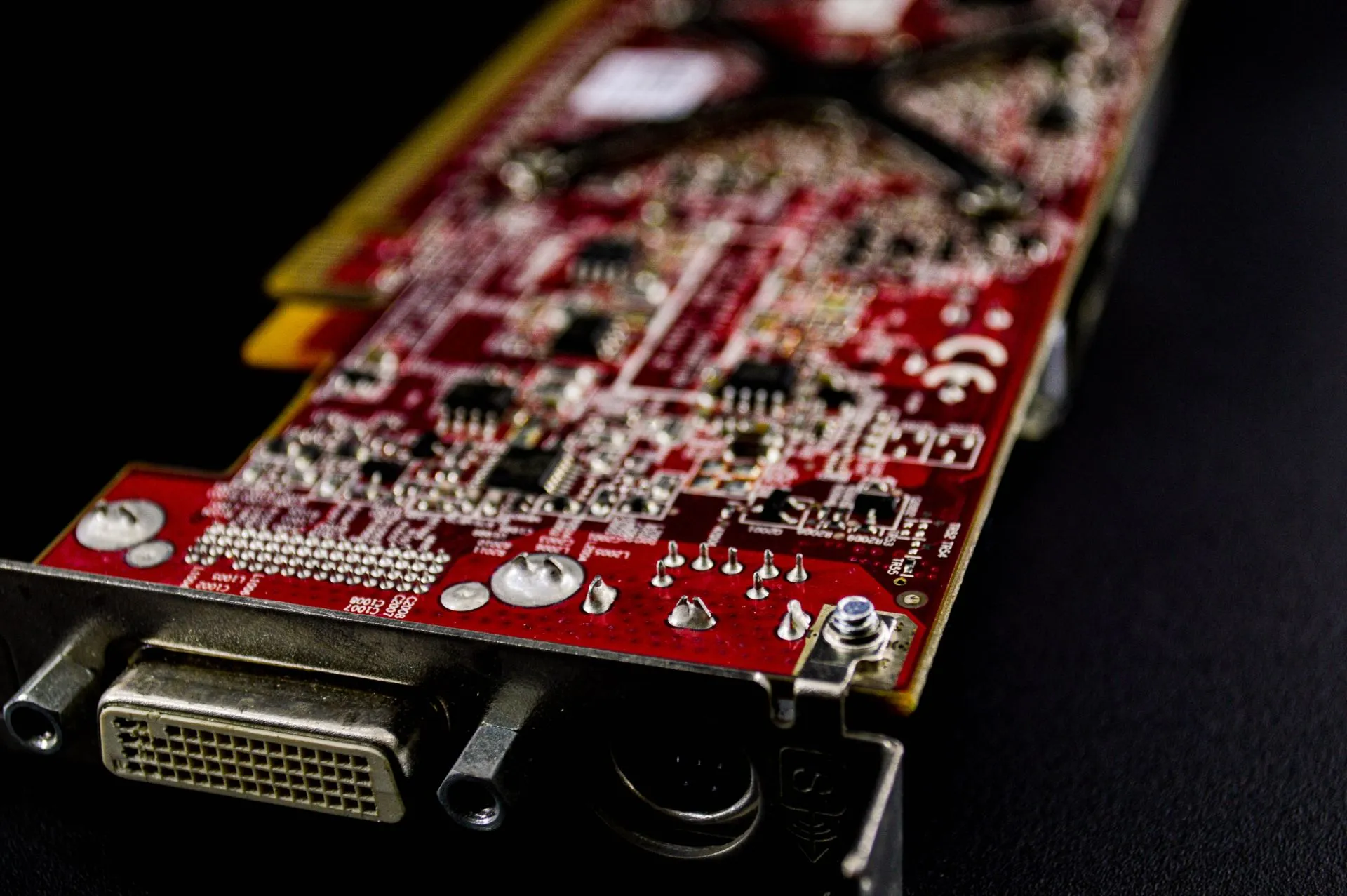
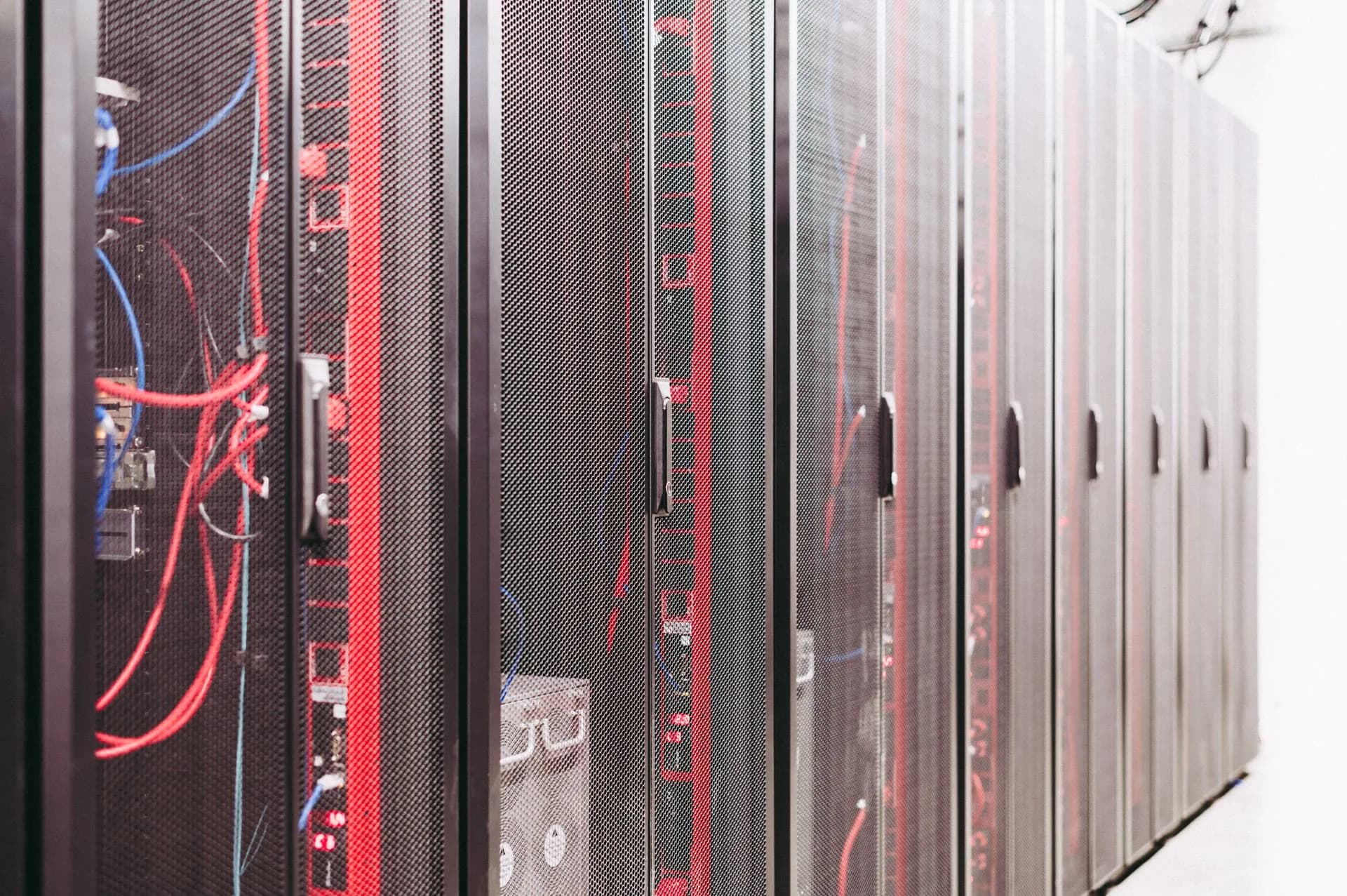
Verda rents graphics processing units, the chips used to train and run AI models, along with the storage and software services built around them. It offers Nvidia (NVDA) hardware ranging from older A100 chips to GB300 NVL72 rack systems, and says it expects early deployments of Nvidia's next-generation VR200 NVL72. Services include on-demand GPU clusters, serverless containers and confidential computing with hardware attestation, with managed Kubernetes and S3-compatible object storage in development.
The company reported a $165 million annualized revenue run rate as of July 2026. Emergence wrote that the figure roughly doubled from the start of the year and that Verda is cash-flow positive. Verda employs about 250 people and serves customers in more than 50 countries, naming Aleph Alpha, Magnific and Epsilon Health; Emergence also cited 1X, Freepik and ExpressVPN.
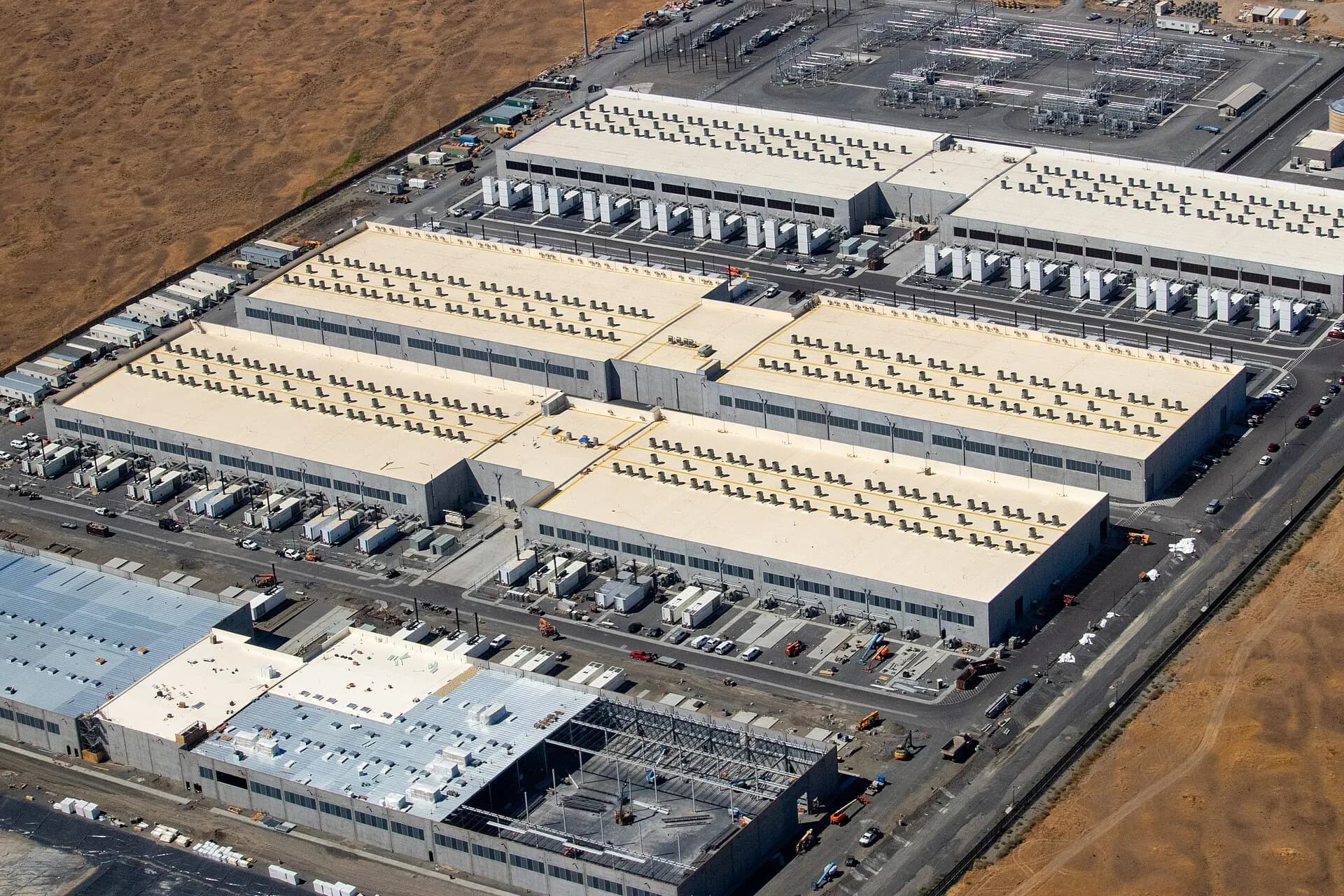
Verda's data centers run in Finland on renewable power, according to Emergence, and the company plans to expand into other parts of Europe, the UK, the US and Asia, with more than 250 megawatts of operations in 2027. Founder and chief executive Ruben Bryon said his goal is to “build the first true tech company in Europe.” ArcticStartup reported that Verda has appointed former Morgan Stanley and Nokia executive Mikko Einio as chief financial officer.
The numbers
- Series B
- $189 million (€163 million)
- Annualized revenue run rate (July 2026)
- $165 million
- Total funding incl. debt
- More than $450 million
- Post-money valuation (Emergence)
- More than $1 billion
- Planned operations in 2027
- More than 250 MW
Why CEOs should care
For CIOs and AI platform leaders in Europe, Verda adds a well-capitalized option for GPU capacity that is not a U.S. hyperscaler. The company holds SOC 2 Type II and C5, a German cloud security certification, according to a customer post it published alongside the funding news, which matters for regulated industries. When evaluating it or any smaller GPU cloud, ask where data is physically processed, which certifications cover which regions, how much capacity is reserved versus on-demand, and what happens to your workloads if a new site is delayed.
For CFOs, GPU cloud contracts are becoming a significant line item, and pricing can differ sharply among providers. A supplier that its lead investor describes as cash-flow positive, with a growing investor base, may be able to offer longer commitments, but buyers should compare total cost including storage, networking and egress fees, not only hourly GPU prices. Multi-provider strategies can also give leverage in negotiations.
For boards and sustainability leads, Verda's Finnish data centers, which Emergence says run on renewable power, could help companies meet emissions reporting goals for AI workloads. Ask management whether AI compute is included in the company's carbon accounting and whether provider choice is being made with that in mind.
The bigger picture
Verda's round is part of a wave of capital flowing to so-called neoclouds, specialist providers that rent AI chips outside the big three U.S. cloud platforms. British rival Nscale is planning a New York Stock Exchange IPO that could raise about $3 billion at a valuation of roughly $30 billion, according to IPOX's September 25 market update. Verda pitches its European location and a lower carbon footprint than the industry average, while lead investor Emergence says its Finnish data centers run on renewable power and that it is cash-flow positive. The valuation Emergence cites for Verda is a fraction of the one Nscale is seeking.
For European governments and companies worried about depending on U.S. providers for critical AI infrastructure, Verda's backers are notable. Finland's state-owned investment company Tesi and pension insurer Varma both took part, alongside MUFG Innovation Partners and server maker Supermicro, giving the company a mix of public, institutional and industry backers.
What’s next
Watch for Verda to name its first sites outside Finland and to disclose how much of the 250-megawatt target is contracted. The pricing of Nscale's planned listing, if it goes ahead, will also offer a public benchmark for how investors value GPU cloud providers, which could shape Verda's next financing.
What “Fact-checked” means
Fact-checking means testing a story’s facts against the evidence before it is published. This story went through at least two separate checks before this version was published.
- What we checked
- Its names, figures, dates, job titles, quotes and who said what were checked against the story’s sources, including its main source where it could be opened. The headline was checked for accuracy and overstatement.
- How
- A first check reviewed the whole story. If it passed, a second, skeptical check went back to the sources to look for mistakes in the most important facts. If a check flagged the story, it was edited to fix the problems found, and a separate re-check then reviewed the whole story again.
- Who
- The checks are made with our newsroom’s technology tools, as steps kept separate from the writing, under rules set by our editor, Hussein Mukhtar. A story the checks still flag is not published automatically; it is held for the editor, who decides whether it is fixed, published or dropped.
- If something is wrong
- “Fact-checked” does not mean error-free. If a material error is found after publication, we correct the story and add a note saying what changed. Report an error