
The news
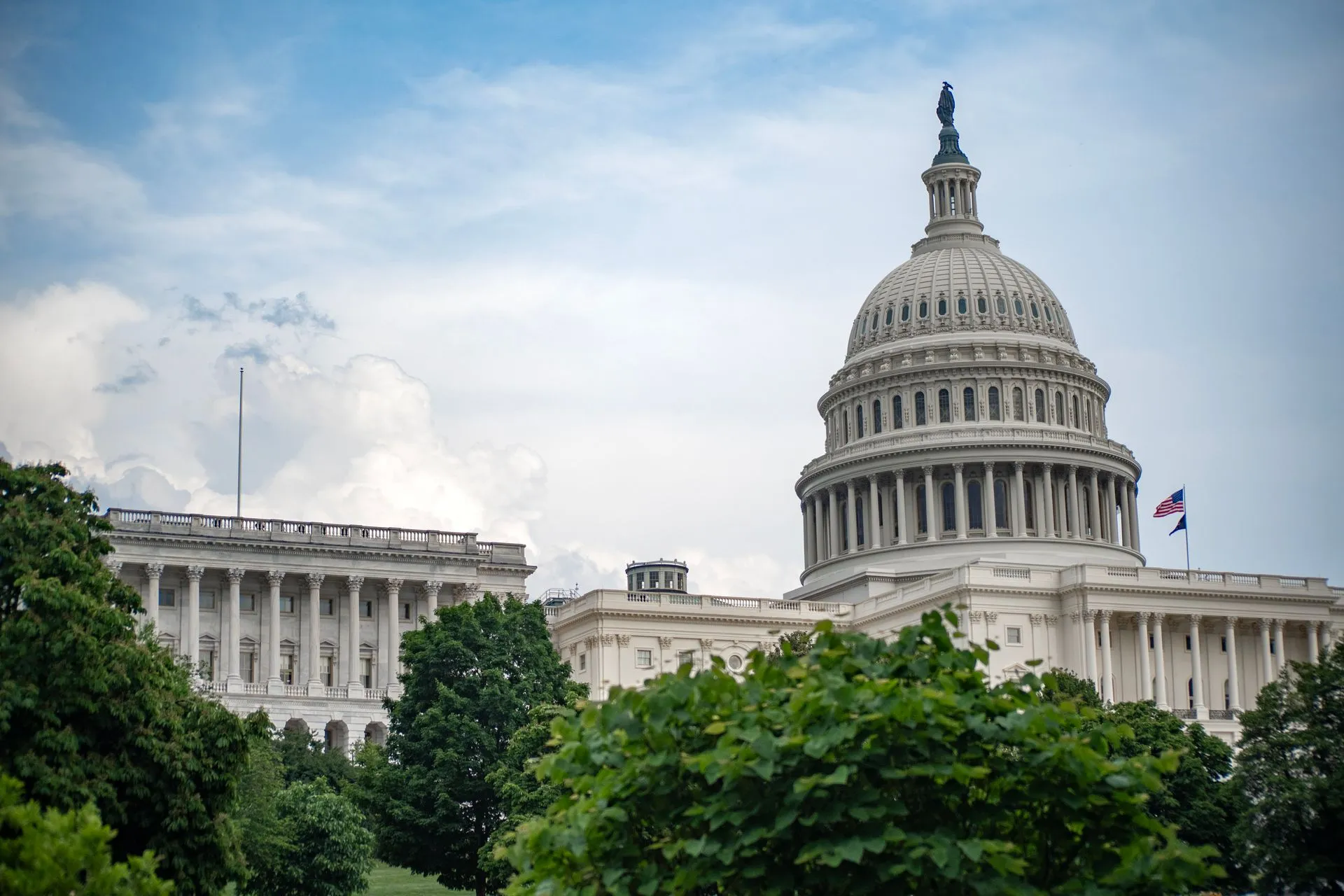
The Securities and Exchange Commission (SEC) on October 1, 2026, proposed a dedicated SEC crypto custody rule framework setting out how registered investment advisers and regulated funds can hold crypto assets for clients under federal securities law.
According to the SEC, the proposal includes new rules and amendments under the Investment Advisers Act of 1940 and the Investment Company Act of 1940. It covers investment advisers as well as regulated funds, a group that includes investment companies such as mutual funds and business development companies.
Two provisions stand out. First, the SEC said state trust companies could serve as custodians of crypto assets for advisory clients and regulated funds. Second, the proposal would permit self-custody of crypto assets under certain conditions. The Block reported that advisers could self-custody only in limited circumstances, when the adviser determines that no permitted custodian is available.
The SEC said the package would also update financial statement audit requirements for registered investment advisers, modernize requirements for broker-dealers that provide custody services to regulated funds, and remove regulatory barriers to giving investment advice on crypto assets. The public will have 60 days to comment after the proposal is published in the Federal Register.
SEC Chairman Paul S. Atkins said the crypto market has grown "into a multi-trillion-dollar asset class," and described existing custody rules as built for an earlier era. Commissioner Hester Peirce said in a statement reported by The Block that regulators should protect investors' right to self-custody. The rules are proposals and could change before any final vote.
The numbers
- Comment period
- 60 days after Federal Register publication
- Laws amended
- Advisers Act and Investment Company Act of 1940
- Proposal date
- October 1, 2026
Why CEOs should care
For wealth managers and registered investment advisers, the main question has been whether they can lawfully hold crypto for clients at all. This proposal starts to answer it. Chief compliance officers should map current crypto exposure, identify which custodians would qualify, and consider filing comments during the 60-day window, especially on the conditions for self-custody.
For custodians, trust companies and banks, this is a business opening. Allowing state trust companies to serve as custodians widens the pool of providers that advisers and funds can use. Executives at these firms should ask whether their security, audit and reporting controls would meet the framework, and how fast they could onboard regulated fund clients.
For fund boards and CFOs at asset managers, plan for new costs and duties. The proposal touches audit requirements and broker-dealer custody services, so expect changes to audit engagements and service contracts if the rule is finalized. Boards should ask management for a gap analysis now rather than after a final rule.
The bigger picture
The proposal is part of a broader shift at the SEC under Atkins toward writing rules for crypto rather than policing it mainly through enforcement. It follows other recent SEC moves on tokenized securities and arrives as federal banking regulators also expand charters for crypto custodians, a trend now being challenged in court by community bankers.
Industry observers read the pace as significant. The Block reported that Nate Geraci, president of NovaDius, said regulators are moving quickly and aggressively.
What’s next
The 60-day comment period begins once the proposal appears in the Federal Register. Watch for comments from large custodians, bank trade groups and investor advocates, and for whether the SEC finalizes the rule with changes to the self-custody conditions.
What “Fact-checked” means
Fact-checking means testing a story’s facts against the evidence before it is published. This story went through at least two separate checks before this version was published.
- What we checked
- Its names, figures, dates, job titles, quotes and who said what were checked against the story’s sources, including its main source where it could be opened. The headline was checked for accuracy and overstatement.
- How
- A first check reviewed the whole story. If it passed, a second, skeptical check went back to the sources to look for mistakes in the most important facts. If a check flagged the story, it was edited to fix the problems found, and a separate re-check then reviewed the whole story again.
- Who
- The checks are made by our newsroom, as steps kept separate from the writing, under rules set by our editor, Hussein Mukhtar. A story the checks still flag is held for the editor, who decides whether it is fixed, published or dropped.
- If something is wrong
- “Fact-checked” does not mean error-free. If a material error is found after publication, we correct the story and add a note saying what changed. Report an error