The news
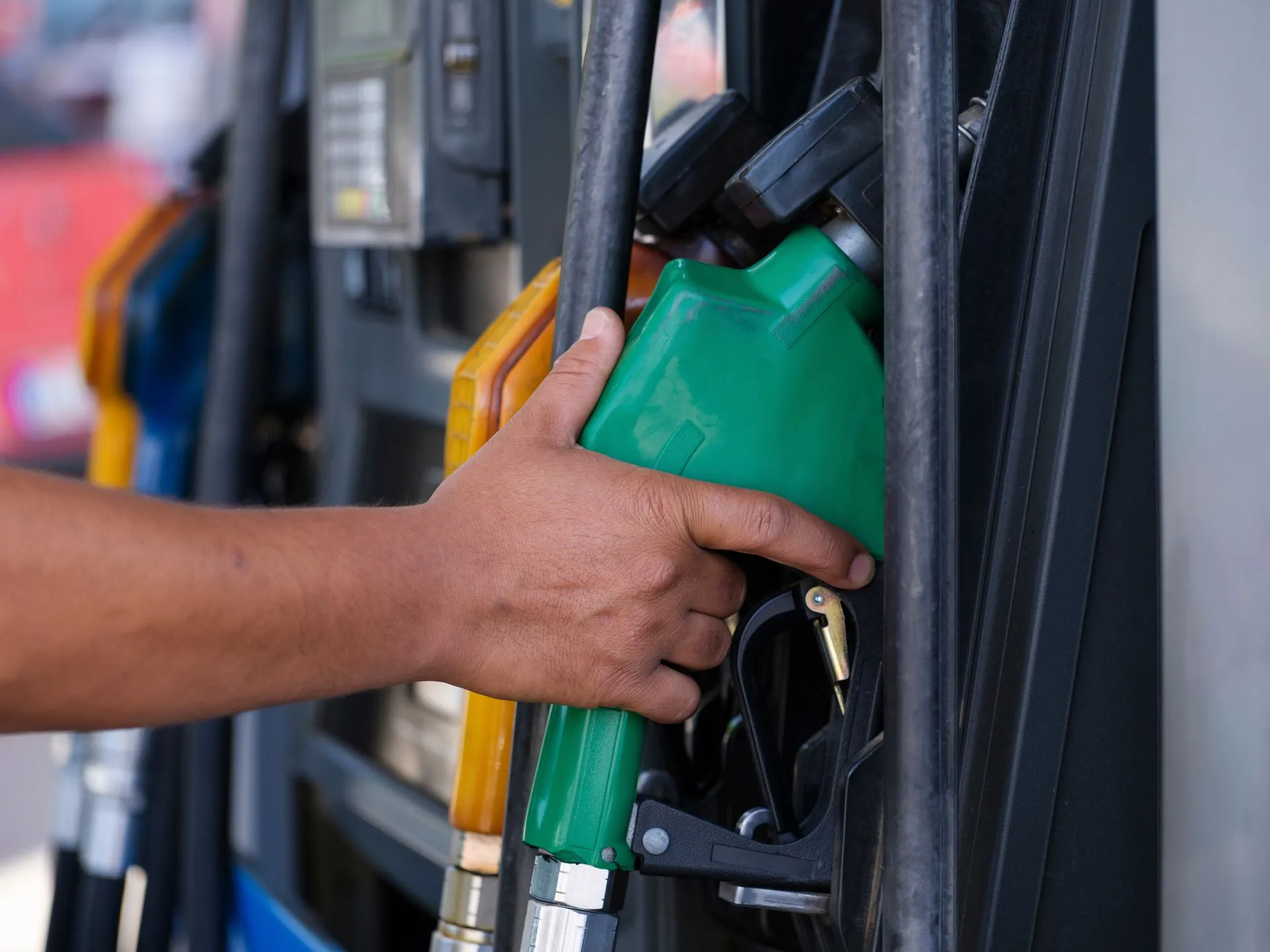
Toast (TOST) launched Toast Fuel on September 29, 2026, letting independent gas stations take fuel payments on the same cloud system they use for in-store retail and food sales. It is a new market for the restaurant software company.
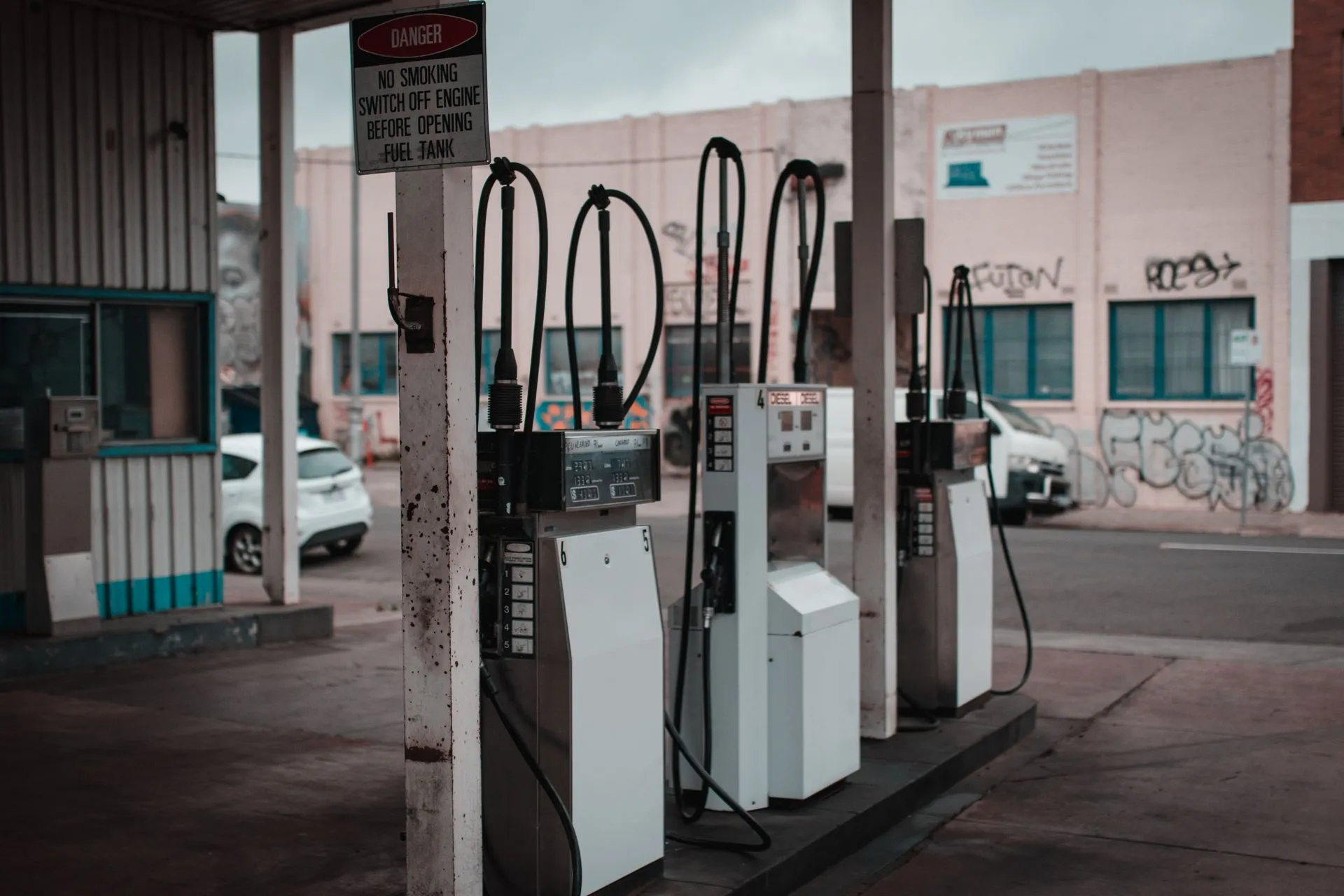
The product adds a dedicated forecourt screen for cashiers. The forecourt is the pump area outside the store. According to Toast's announcement, as reported by PYMNTS and Pulse 2.0, the screen shows a real-time pump dashboard and lets staff authorize or stop pumps. Supported transactions include cash and card prepayments, payments at EMV-certified dispensers (chip-card readers on the pump) and fleet cards, the payment cards businesses issue to drivers. An offline mode keeps pump and in-store sales running during internet outages, Payments Dive reported.
The launch is narrow at first. Toast Fuel is initially available to unbranded, independent fuel and convenience store operators in the United States through an integration with Allied Electronics' NeXGen PRIME forecourt controller, according to the announcement as reported by Pulse 2.0. Toast's own support page says the product currently supports Wayne dispensers with iXPay 1 or iXPay 2 payment terminals and is an add-on to Toast Retail.
Toast said it plans to add more dispenser and payment capabilities later in 2026. Its support page lists future support for Gilbarco dispensers, PIN debit at the pump and more fleet card programs, without giving a timeline. OWL Services, a distributor and service provider for fuel equipment, will handle on-site installation, while Toast's onboarding and support teams handle software setup and staff training.
Omri Traub, Toast's chief operating officer of retail, said in the announcement that foodservice and retail are blurring together and that Toast Fuel unifies that experience on a single platform. Toast said it would demonstrate the product at the NACS Show in Las Vegas, October 6 to 9, 2026, according to Pulse 2.0.
The numbers
- Share of US consumer fuel purchases sold by convenience stores (NACS data cited by Toast)
- About 80%
- Toast customer locations (as reported by PYMNTS)
- About 180,000
- Toast Fuel launch date
- September 29, 2026
- NACS Show demo dates, Las Vegas
- October 6-9, 2026
Why CEOs should care
For convenience store owners, the pitch is fewer systems. Toast's release, as reported by PYMNTS, said many operators run fuel and in-store sales on separate, disconnected systems. One platform for pumps, shelves and the food counter could simplify reporting, staff training and loyalty programs. Before switching, ask three questions: does Toast support your dispensers and payment terminals today, which fleet cards does it accept, and what happens to pump sales if the connection drops.
For CFOs at multi-site retailers, the hardware limits matter. At launch, Toast Fuel works with one forecourt controller and Wayne dispensers with specific terminals, and it is not offered to stations flying a major oil brand. Branded sites, and stations with Gilbarco equipment or that need PIN debit at the pump, will need to wait for support Toast has promised but not dated. Price out installation and any hardware swaps, not just the software subscription.
For payments executives and investors, the move shows a vertical software company using its existing base to enter an adjacent category. Toast already sells to restaurants and retailers, and some convenience stores run sizable food programs, which is the overlap Toast is targeting with kitchen displays, digital menus and online ordering. Incumbent c-store point-of-sale and forecourt vendors should expect a cloud-first competitor bidding on independent sites, and boards at those vendors should ask how quickly they can match offline-ready cloud features.
The bigger picture
Toast has been widening its market step by step. Payments Dive noted that the company expanded into retail payments in February 2025, and it now sells AI and marketing add-ons, Toast IQ and Toast IQ Grow, on top of its point-of-sale system. PYMNTS reported that Toast's second-quarter 2026 earnings report, released August 4, emphasized artificial intelligence as a way to deepen customer relationships and add revenue streams.
Fuel is a large prize. Toast cites National Association of Convenience Stores data that convenience stores sell an estimated 80% of the fuel US consumers buy. Every fuel sale paid by card at a Toast site would run through Toast's platform, which is why even a modest foothold among independent stations could add card volume over time.
What’s next
Watch the NACS Show in Las Vegas from October 6 to 9, 2026 for operator reaction and any early customer names, and for Toast to date its promised support for Gilbarco dispensers, PIN debit at the pump and more fleet cards. Toast's next earnings report should also show whether management starts breaking out c-store or fuel customers as a growth line.
What “Fact-checked” means
Fact-checking means testing a story’s facts against the evidence before it is published. This story went through at least two separate checks before this version was published.
- What we checked
- Its names, figures, dates, job titles, quotes and who said what were checked against the story’s sources, including its main source where it could be opened. The headline was checked for accuracy and overstatement.
- How
- A first check reviewed the whole story. If it passed, a second, skeptical check went back to the sources to look for mistakes in the most important facts. If a check flagged the story, it was edited to fix the problems found, and a separate re-check then reviewed the whole story again.
- Who
- The checks are made by our newsroom, as steps kept separate from the writing, under rules set by our editor, Hussein Mukhtar. A story the checks still flag is held for the editor, who decides whether it is fixed, published or dropped.
- If something is wrong
- “Fact-checked” does not mean error-free. If a material error is found after publication, we correct the story and add a note saying what changed. Report an error