
The news
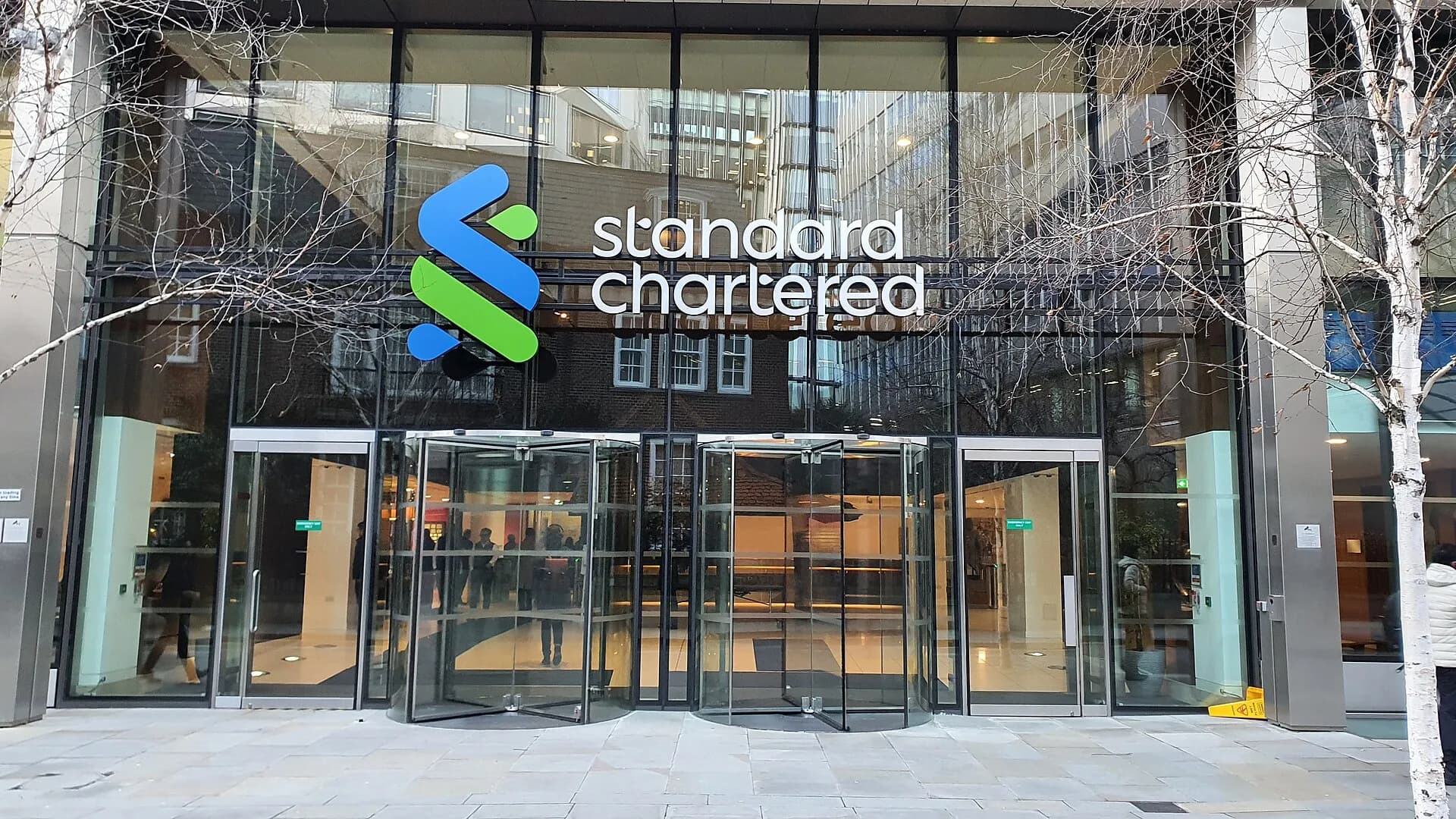
On July 16, 2026, Broadcom (AVGO) and Standard Chartered announced a long-term commitment to run the bank's critical services across 54 markets on VMware Cloud Foundation, giving Broadcom a large regulated customer that is standardizing on VMware rather than leaving it.
According to the joint announcement, Standard Chartered has shifted its infrastructure delivery to a software-defined private cloud built on VMware Cloud Foundation (VCF), Broadcom's unified private cloud platform. The companies said 70% of the bank's global infrastructure footprint already runs on the new architecture.
Broadcom said VCF builds zero-trust security, a model in which no user or system is trusted by default, directly into the infrastructure layer. The company also said the platform keeps services available without interruption and has cut the time needed to deploy infrastructure from weeks to a day. Those are the vendor's claims; the release did not include independent measurements.
The companies said the platform underpins the bank's core banking, payments and digital services. John Sharratt, Standard Chartered's Global Head of Technology and Infrastructure, said standardizing on one virtualized, software-defined infrastructure helps the bank meet client needs while improving its "responsiveness, resilience and regulatory compliance."
Krish Prasad, senior vice president and general manager of Broadcom's VMware Cloud Foundation Division, said large financial institutions need infrastructure that is resilient, secure and simple to operate at scale. He described the bank's direction as a highly automated, AI-driven private cloud.
Neither company disclosed the value or duration of the commitment. Standard Chartered, which is listed in London and Hong Kong, describes itself as present in 54 markets, the same number the agreement covers.
The numbers
- Markets the VCF platform supports
- 54
- Share of the bank's global infrastructure already on the new architecture
- 70%
- Infrastructure deployment time (Broadcom claim)
- Weeks cut to a day
- VMware users actively reducing their footprint (CloudBolt survey, January 2026)
- 86%
Why CEOs should care
For CIOs and infrastructure buyers deciding between a VMware renewal and a migration, this is a reference case from a heavily regulated global bank that chose to consolidate on VCF. Use it as a prompt, not a proof: ask Broadcom for reference calls with regulated customers of your size, what the remaining 30% of the bank's estate runs on, and what evidence sits behind the weeks-to-a-day deployment claim.
CFOs should note what the announcement leaves out. With no price, term or discount disclosed, the deal says nothing about what a comparable customer should pay. Before signing a multi-year VCF commitment, model total cost over the full term, push for renewal price caps, and check what flexibility you give up if your plans change.
CISOs and boards should weigh the resilience trade-off. Putting most of a company's infrastructure on one vendor's stack can simplify operations and security policy, as the bank argues, but it also concentrates dependency. Ask management whether the exit plan for a platform this central is documented and tested, and how zero-trust controls built into the infrastructure fit with the security tools you already run.
The bigger picture
The deal lands against a backdrop of customers trimming VMware use. In a survey released on February 17, 2026, software firm CloudBolt said 86% of 302 North American IT decision-makers it polled in January 2026 were actively reducing their VMware footprint, and 88% were concerned about future price increases. CloudBolt also found that 54% were staying with VMware while reducing their dependence on it, rather than leaving outright.
Broadcom has positioned VCF as a secure, unified private cloud platform, and regulated industries such as banking are a natural audience for that message. Standard Chartered gives the pitch a named global bank that says most of its estate has already moved.
What happened next
On September 2, 2026, Broadcom reported that infrastructure software revenue, the segment that includes VMware, rose 29% to $8,752 million in its fiscal third quarter ended August 2, 2026, from $6,786 million a year earlier. In its quarterly 10-Q report, dated September 9, 2026, Broadcom said the increase was primarily due to strong demand for VCF, including additional license revenue recognized on contracts that customers cannot terminate, and that the majority of its new software contracts no longer include termination-for-convenience provisions.
What to watch: whether Standard Chartered reports progress on moving the rest of its infrastructure onto VCF, and whether contract terms without early-exit rights become standard in VMware renewals that other buyers negotiate.


