The news
Motorola Solutions (MSI) has acquired DeepNeuronic, a Portuguese startup whose software turns ordinary security cameras into systems that detect incidents in real time. Portuguese business outlet ECO reported the deal on September 9, 2026. Terms were not disclosed.
Motorola bought 100% of DeepNeuronic's share capital, including its Brazilian subsidiary, DeepNeuronic Brasil Ltda., according to the startup's legal adviser, Cuatrecasas, and its financial adviser, Young America Capital, which announced its role on September 29. None of the announcements reviewed for this story included a statement from Motorola Solutions.
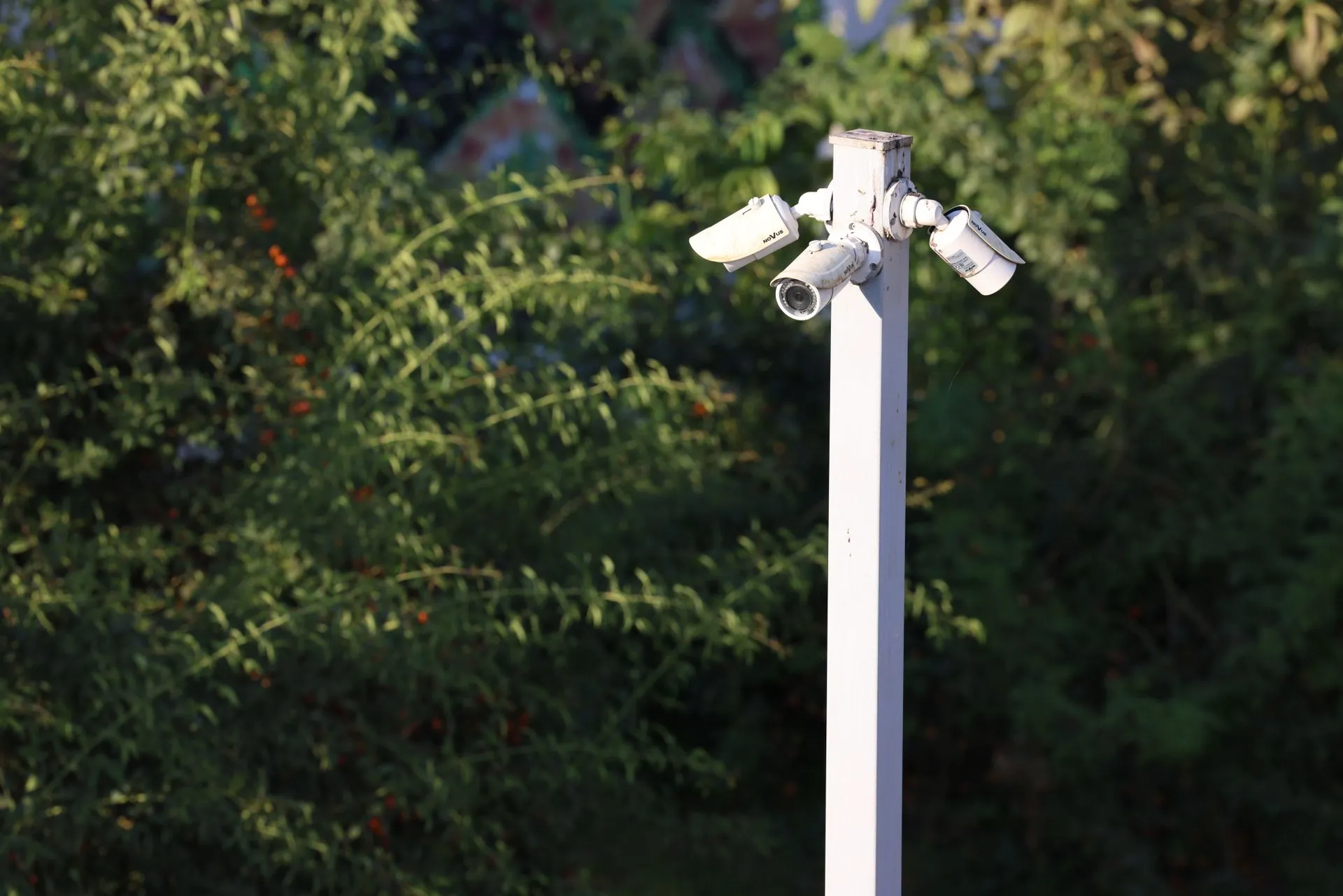
DeepNeuronic's software analyzes live feeds from cameras that customers already have and flags incidents as they happen, according to Young America Capital. The adviser said highway operators, airports, manufacturers and retailers in Portugal and Brazil already run it. ECO listed uses at airports, bridges, highways, fuel stations, industrial sites and commercial spaces.
Motorola will build the technology into Avigilon, its video security platform, which serves customers in more than 100 countries, according to Young America Capital. DeepNeuronic's 17-person team is joining Motorola and will stay in Covilhã, Portugal, with some remote work, ECO reported.
Vasco Lopes and Bruno Degardin founded DeepNeuronic in 2021; both earned PhDs in artificial intelligence and computer vision at Portugal's University of Beira Interior. ECO reported the company had raised more than €2.5 million from business angels and venture capital funds, with some projects also financed by European funds.
Peter Formanek, founder and chief executive of Young America Capital, said the founders "had a product customers were already paying for." Cuatrecasas described the sale as one of the few exits in Portugal in 2026 by a technology startup based exclusively in the country.
The numbers
- Stake acquired
- 100% of share capital, incl. Brazilian subsidiary
- Deal value
- Not disclosed
- DeepNeuronic team joining Motorola
- 17 people
- Countries where Avigilon has customers
- More than 100
- Funding raised before the sale (ECO)
- More than €2.5 million
Why CEOs should care
For operations and security leaders who run large camera estates, the notable detail is that DeepNeuronic works on cameras customers already own. That points to video analytics sold as software on top of existing hardware rather than as a rip-and-replace project. If you buy from Avigilon, ask Motorola when the capability will be available, how it will be priced, whether it works with third-party cameras and how many false alarms it produces in settings like yours. If you buy from a rival, expect the same question from your board: what do our cameras actually tell us while an incident is under way?
Legal, privacy and risk teams should treat real-time video analysis as a governance issue, not just a feature. Before switching it on, ask what the system detects, whether it identifies individuals, how long footage and alerts are kept, who reviews an alert before anyone acts, and how the tool is disclosed to employees, customers and the public. Deployments at highways, airports and stores mean these systems watch large numbers of members of the public.
For founders and investors in computer vision, the deal is a template. A company with paying customers, a small team and more than €2.5 million raised, by ECO's count, found a strategic buyer that kept the team in place. Incumbents with global distribution can add a startup's analytics to an installed base in more than 100 countries, which is hard for a 17-person company to match on its own.
The bigger picture
This is not Motorola's first video analytics purchase. It completed its purchase of Avigilon on March 28, 2018, in a deal with an enterprise value of about $1.0 billion, which the company said added a video surveillance and analytics platform to its portfolio. Buying DeepNeuronic follows the same logic on a much smaller scale: rather than develop every analytics feature in-house, the incumbent adds a proven product and plugs it into distribution it already controls. For startups building video AI, that makes large security platforms an obvious set of potential acquirers.
What’s next
Watch for Motorola to announce when DeepNeuronic's analytics appear in Avigilon products and which customers get them first. Also watch whether other security vendors respond with acquisitions of their own, and how European customers handle the privacy questions that real-time video analysis raises. For Portugal's startup scene, the sale is also a data point on whether locally built AI companies can find buyers abroad.
What “Fact-checked” means
Fact-checking means testing a story’s facts against the evidence before it is published. This story went through at least two separate checks before this version was published.
- What we checked
- Its names, figures, dates, job titles, quotes and who said what were checked against the story’s sources, including its main source where it could be opened. The headline was checked for accuracy and overstatement.
- How
- A first check reviewed the whole story. If it passed, a second, skeptical check went back to the sources to look for mistakes in the most important facts. If a check flagged the story, it was edited to fix the problems found, and a separate re-check then reviewed the whole story again.
- Who
- The checks are made by our newsroom, as steps kept separate from the writing, under rules set by our editor, Hussein Mukhtar. A story the checks still flag is held for the editor, who decides whether it is fixed, published or dropped.
- If something is wrong
- “Fact-checked” does not mean error-free. If a material error is found after publication, we correct the story and add a note saying what changed. Report an error