The news
Tiny Health, an Austin, Texas, company that sells at-home microbiome testing kits, said on September 29, 2026, that it raised a $33 million Series B round led by B Capital, bringing its total funding to $46 million.
Existing investors Spero Ventures, The Venture City and Overwater Ventures returned, joined by new backers including Black Opal Ventures, Denver Ventures, Pave Health Ventures, Alumni Ventures, Gaingels and Pari Passu Ventures, according to the company, which called the round oversubscribed. Crunchbase News reported that Tiny Health previously raised a $4.5 million seed round in 2021 and an $8.5 million Series A in late 2023.
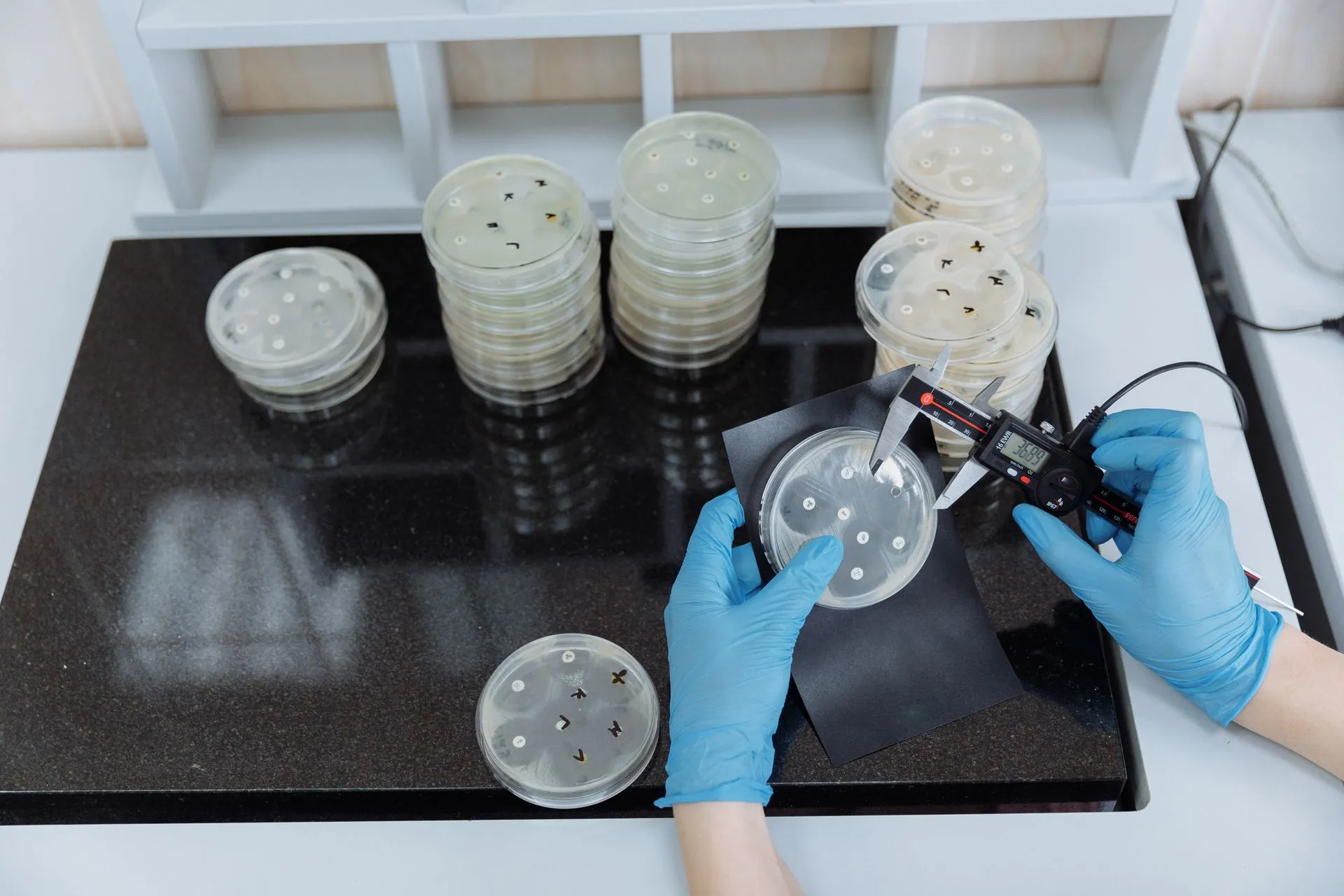
The microbiome is the community of bacteria and other microbes that live in the gut and elsewhere in the body. Tiny Health's kits, which MedCity News reported cost about $249 each, include gut tests for babies, children and adults and a vaginal microbiome test. The company uses shotgun metagenomic sequencing, which analyzes the genetic material of the whole sample rather than a narrow set of markers, and its reports suggest steps such as dietary changes.
The company says it has served nearly 200,000 customers and that Powered by Tiny, its business-to-business platform, serves more than 6,000 healthcare practitioners and grew four times over last year. Partners include Fullscript, Mayo Clinic's Executive Health and Longevity Programs, Atria Institute and Superpower. Founder and CEO Cheryl Sew Hoy told Crunchbase News that overall revenue has more than doubled each year and that adults are now the largest testing segment. The company has about 40 employees and plans to hire 30 more, the outlet reported.
Sew Hoy described the product to Crunchbase News as "a wellness test" rather than a diagnostic. The outlet reported that insurance does not cover the kits, and that they can identify the microbes in a sample but cannot establish what caused a person's symptoms.
Tiny Health said the new money will fund clinical research and interventional studies, practitioner education and growth of Powered by Tiny, and it is committing $5 million to a research program open to outside researchers and clinicians. It is also developing TinyAI, which it describes as an AI system trained on nearly 200,000 microbiome profiles. MedCity News reported that the company's first randomized controlled trial found targeted microbiome interventions reduced infants' chances of developing eczema by 83%, with a second trial underway; the outlet did not say whether the results have been peer reviewed.
The numbers
- Series B
- $33 million
- Total funding to date
- $46 million
- Price per test (per MedCity News)
- About $249
- Customers served (company figure)
- Nearly 200,000
- Practitioners on Powered by Tiny
- More than 6,000
- Research program commitment
- $5 million
Why CEOs should care
For employers and benefits leaders, consumer microbiome testing sits in an awkward spot. It is sold as wellness rather than diagnosis and is not covered by insurance, yet it is reaching patients through clinicians and programs such as Mayo Clinic's executive health offering. Before adding tests like these to a wellness stipend or benefits menu, ask what published evidence supports acting on the results, who helps employees interpret them, and what the per-person cost looks like at about $249 a kit.
Microbiome results are health data, and Tiny Health says it is training AI on nearly 200,000 profiles. Companies that partner with, resell or reimburse such services should ask how samples and data are stored, whether data is shared with research partners, whether users can delete it, and what happens to it if the company is sold. Legal and privacy teams should review those terms before any employee data flows.
For insurers and health systems, fourfold growth in the practitioner channel suggests clinicians are ordering these tests without reimbursement. If trial results such as the eczema study hold up under outside review, coverage questions will follow. For investors, a $33 million round with revenue the CEO says has more than doubled each year shows consumer testing can still attract growth capital.
The bigger picture
Tiny Health started with infant gut testing and now says adults are its largest segment, a shift that puts it in the broader longevity and wellness market. It is not alone: MedCity News named Evvy and Viome as other microbiome testing companies, and Crunchbase News noted that Throne Science, also based in Austin, recently raised $10 million for a toilet-mounted device that tracks stool patterns.
What’s next
Watch for publication of Tiny Health's eczema trial and results from its second trial, the first awards from its $5 million research program, and whether any insurer or large employer starts covering microbiome tests. The hiring plan, 30 more people on a staff of about 40, will show how fast the company can scale its practitioner business.
What “Fact-checked” means
Fact-checking means testing a story’s facts against the evidence before it is published. This story went through at least two separate checks before this version was published.
- What we checked
- Its names, figures, dates, job titles, quotes and who said what were checked against the story’s sources, including its main source where it could be opened. The headline was checked for accuracy and overstatement.
- How
- A first check reviewed the whole story. If it passed, a second, skeptical check went back to the sources to look for mistakes in the most important facts. If a check flagged the story, it was edited to fix the problems found, and a separate re-check then reviewed the whole story again.
- Who
- The checks are made by our newsroom, as steps kept separate from the writing, under rules set by our editor, Hussein Mukhtar. A story the checks still flag is held for the editor, who decides whether it is fixed, published or dropped.
- If something is wrong
- “Fact-checked” does not mean error-free. If a material error is found after publication, we correct the story and add a note saying what changed. Report an error