The news
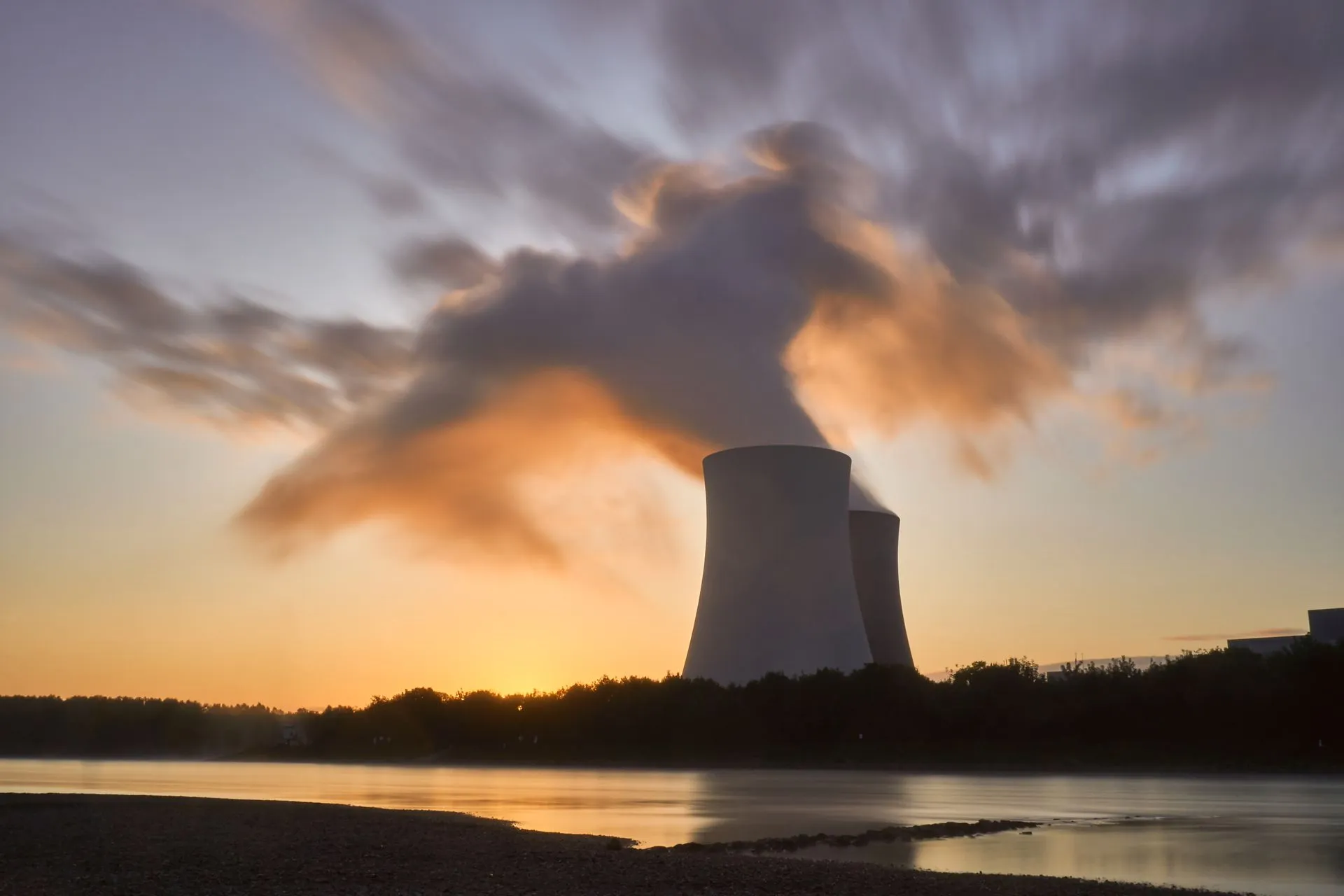
Google, part of Alphabet (GOOGL), agreed on October 6, 2026, to a 20-year power purchase agreement for 890 megawatts of new nuclear capacity from Constellation Energy (CEG), SiliconANGLE reported. The Google Constellation nuclear deal is aimed at powering the company's AI data centers.
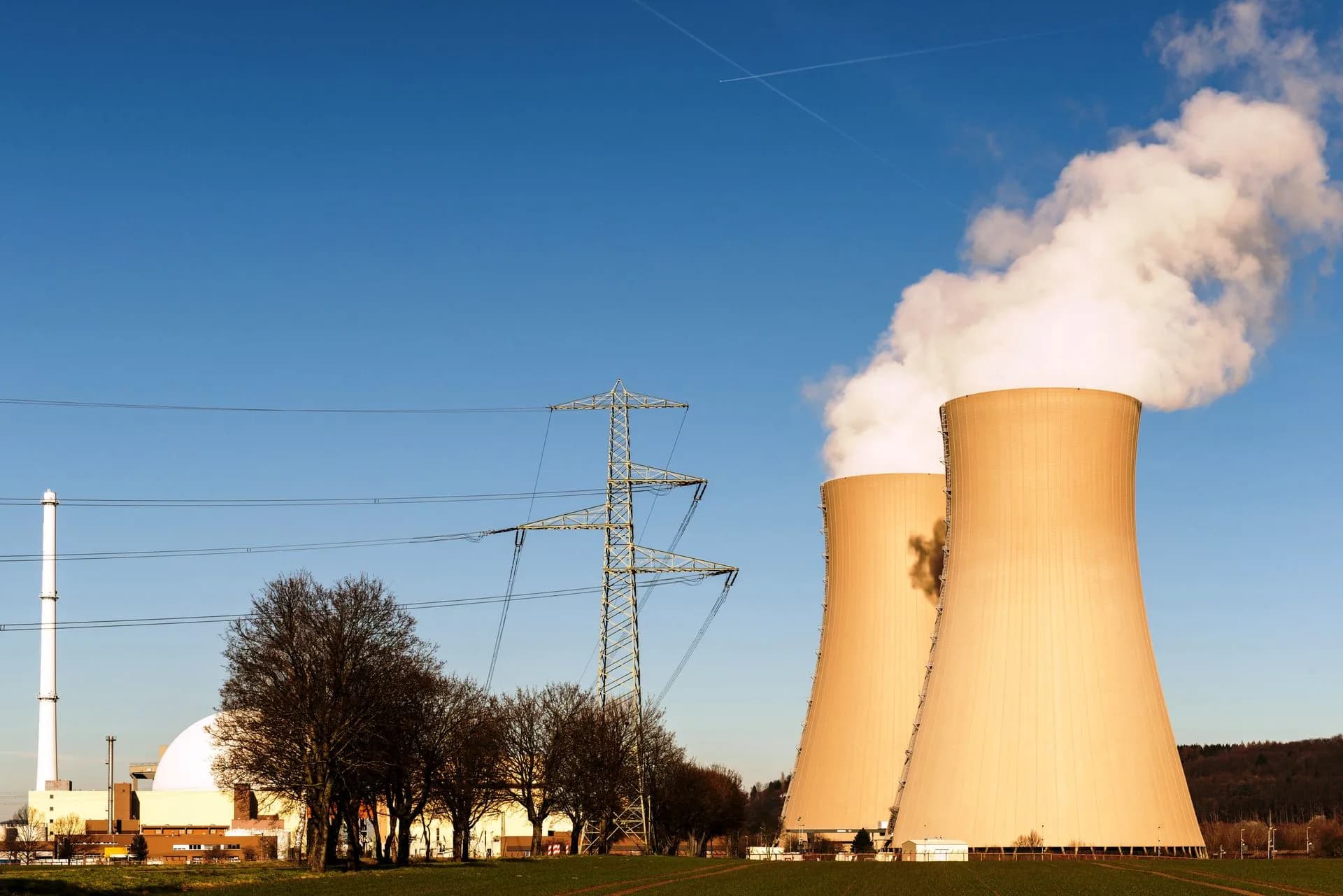
The new capacity will come from upgrading existing reactors rather than building new ones, a process known as uprating. Constellation will invest more than $4.3 billion to upgrade 11 nuclear units at six plants in Illinois, New Jersey and Pennsylvania, adding new turbines, steam generators and digital controls, according to SiliconANGLE.
Google also signed a separate long-term supply agreement for 2,700 megawatts, which Reuters said will come from various Constellation generation sources, not necessarily all nuclear. Reuters, in a report published by TimesLIVE, put the combined deal at 3,590 megawatts and said delivery of electricity begins in 2028. SiliconANGLE described the supply component as a 15-year deal.
The power will flow to the PJM Interconnection, the grid serving 13 Mid-Atlantic and Midwest states and about 67 million people. SiliconANGLE reported the work will sustain about 4,400 existing union jobs and create roughly 7,200 construction jobs.
Google Cloud separately signed a five-year contract to supply Constellation with computing and its Gemini Enterprise platform for uses including outage management and generator dispatch. Amanda Peterson Corio, Google's global head of data center energy, said the fastest new megawatt is often one provided by existing infrastructure.
The numbers
- New nuclear capacity (20-year PPA)
- 890 MW
- Additional long-term supply
- 2,700 MW
- Constellation investment
- More than $4.3 billion
- Reactor units upgraded
- 11 at six plants
- First delivery (Reuters)
- 2028
Why CEOs should care
For any company that buys a lot of electricity, from manufacturers to colocation tenants, this is a signal about the market. Hyperscalers are signing multi-decade contracts for firm, around-the-clock power, leaving less of it for others. Energy buyers in PJM states should review when their supply contracts expire and consider locking in terms earlier.
CFOs should treat power as a strategic cost, not a utility bill. Reuters reported the deal responds to a PJM proposal that would require data center customers to bring their own power or face possible disconnection during peak demand. If such rules spread, access to power becomes a factor in where companies can build.
Boards overseeing data center or AI expansion should ask management whether its plans assume grid capacity that large tech companies are already contracting for.
The bigger picture
Google's agreement follows a run of nuclear deals by large tech companies. SiliconANGLE noted Amazon's 690 MW deal linked to Calvert Cliffs and Microsoft's deal with Constellation to restart Three Mile Island in Pennsylvania.
Upgrading existing reactors can add capacity faster than building new plants, but the 890 MW will arrive gradually over several years.
What’s next
Watch the timing of the first uprates starting in 2028, PJM's decision on its bring-your-own-power proposal, and whether other hyperscalers sign similar long-term supply deals with Constellation and rival generators.
What “Fact-checked” means
Fact-checking means testing a story’s facts against the evidence before it is published. This story went through at least two separate checks before this version was published.
- What we checked
- Its names, figures, dates, job titles, quotes and who said what were checked against the story’s sources, including its main source where it could be opened. The headline was checked for accuracy and overstatement.
- How
- A first check reviewed the whole story. If it passed, a second, skeptical check went back to the sources to look for mistakes in the most important facts. If a check flagged the story, it was edited to fix the problems found, and a separate re-check then reviewed the whole story again.
- Who
- The checks are made by our newsroom, as steps kept separate from the writing, under rules set by our editor, Hussein Mukhtar. A story the checks still flag is held for the editor, who decides whether it is fixed, published or dropped.
- If something is wrong
- “Fact-checked” does not mean error-free. If a material error is found after publication, we correct the story and add a note saying what changed. Report an error
Companies in this story