The news
On Friday, October 2, 2026, Meta Platforms (META) introduced Muse Gadgets, an open-source project that lets developers build its Muse AI agent into their own hardware, TechCrunch reported. The release includes device firmware and a Linux software development kit (SDK), a set of tools for writing software for a platform.
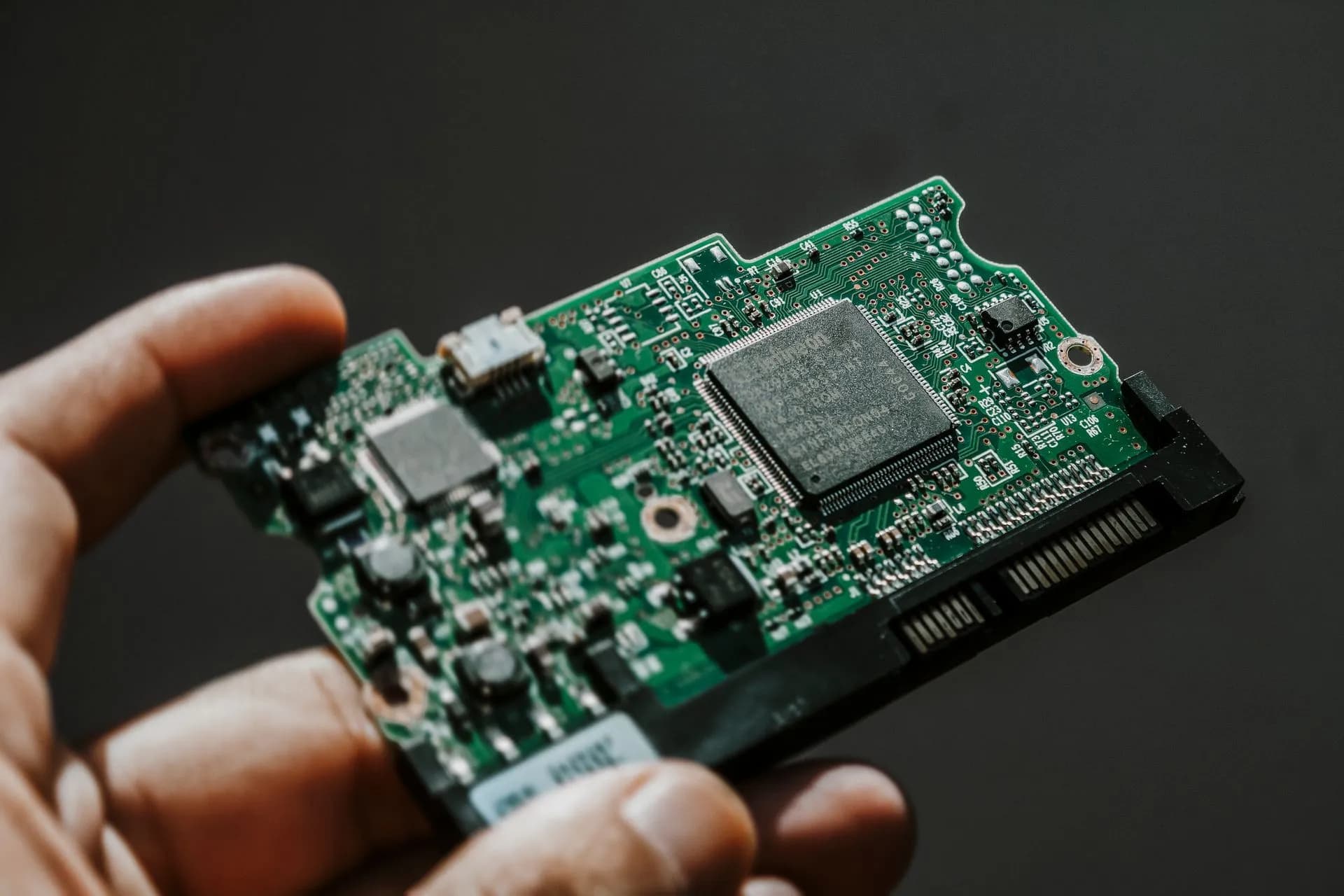
Developers can program low-cost ESP32 microcontroller boards or set up a Raspberry Pi to connect Muse to displays, buttons, sensors and other parts, according to TechCrunch. Tech site RuntimeWire reported that the SDKs are released under the Apache 2.0 license, and that the Linux SDK supports custom commands and integration with Home Assistant, a popular open-source smart home platform. Meta also shared project ideas such as color e-ink displays and HDMI stick adapters.
Alongside the code, Meta built its own device, Muse Home Link, a USB-C powered adapter that lets Muse join a home network and control devices such as speakers and smart TVs. RuntimeWire reported it is built on Espressif's ESP32-C5 chip, works with products including Philips Hue, Sonos, Apple TV, Google Nest and Samsung TVs, and cannot be reflashed by users.
Meta manufactured 5,000 Home Link units to give free to Muse subscribers while supplies last, TechCrunch reported. RuntimeWire said the offer is limited to active US subscribers, one per person. Nat Friedman, who leads the product, said devices would ship within a few weeks, according to TechCrunch, and RuntimeWire reported he called the effort a side project.
The open license comes with limits. According to RuntimeWire's reading of Meta's terms, each device needs an SDK token from Meta, a token covers at most 50 devices, and the code cannot be embedded in devices sold for payment without written permission. Meta can change or withdraw access at any time, and the SDK is not classed as a supported product.
TechCrunch reported that Meta also launched Muse for Small Business, free with usage limits and connecting to Shopify, Dropbox and Slack, and created a new Meta Enterprise Platform business unit.
The numbers
- Free Home Link units made
- 5,000
- Maximum devices per SDK token (per RuntimeWire)
- 50
- Code license (per RuntimeWire)
- Apache 2.0
Why CEOs should care
For consumer hardware makers, Muse Gadgets is an invitation with strings. The code is free to use, but per Meta's terms as reported, any product sold for money needs Meta's written permission, and access runs through tokens Meta can withdraw. Product leaders weighing a Muse integration should ask Meta for commercial terms, service-level commitments and what happens to shipped devices if access changes.
For CIOs and CISOs, a hobbyist path into home and office devices means Muse-connected gadgets may appear on networks before IT approves them. Home Link talks to TVs, speakers and lights over the local network. Ask whether your device policies cover agent-controlled hardware and who sees the data these devices send.
For strategy teams at rival assistant providers, the move shows Meta trying to grow Muse's footprint with cheap, developer-built devices rather than only its own products. The Small Business tier and new enterprise unit, launched alongside it, suggest Meta wants Muse used at work as well as at home.
The bigger picture
Assistants have mostly reached homes through devices their makers control. By releasing firmware and SDKs for widely available boards, Meta lowers the cost of experimenting with Muse on screens, sensors and TV adapters, while the token system keeps final control with Meta. The approach resembles platform plays where code is open but the service behind it is not.
What’s next
Home Link units are expected to ship within weeks of the October 2 announcement, according to TechCrunch. Watch whether Meta publishes commercial licensing terms for hardware makers, and whether the project moves from a side project to a supported product.
What “Fact-checked” means
Fact-checking means testing a story’s facts against the evidence before it is published. This story went through at least two separate checks before this version was published.
- What we checked
- Its names, figures, dates, job titles, quotes and who said what were checked against the story’s sources, including its main source where it could be opened. The headline was checked for accuracy and overstatement.
- How
- A first check reviewed the whole story. If it passed, a second, skeptical check went back to the sources to look for mistakes in the most important facts. If a check flagged the story, it was edited to fix the problems found, and a separate re-check then reviewed the whole story again.
- Who
- The checks are made by our newsroom, as steps kept separate from the writing, under rules set by our editor, Hussein Mukhtar. A story the checks still flag is held for the editor, who decides whether it is fixed, published or dropped.
- If something is wrong
- “Fact-checked” does not mean error-free. If a material error is found after publication, we correct the story and add a note saying what changed. Report an error
Companies in this story