The news
TSMC Arizona investment plans grew on July 16, 2026, when Chairman C.C. Wei announced an additional US$100 billion for the state at the company's second-quarter earnings conference in Taipei. The pledge lifts planned Arizona spending by Taiwan Semiconductor Manufacturing Co. (TSM) to US$265 billion.
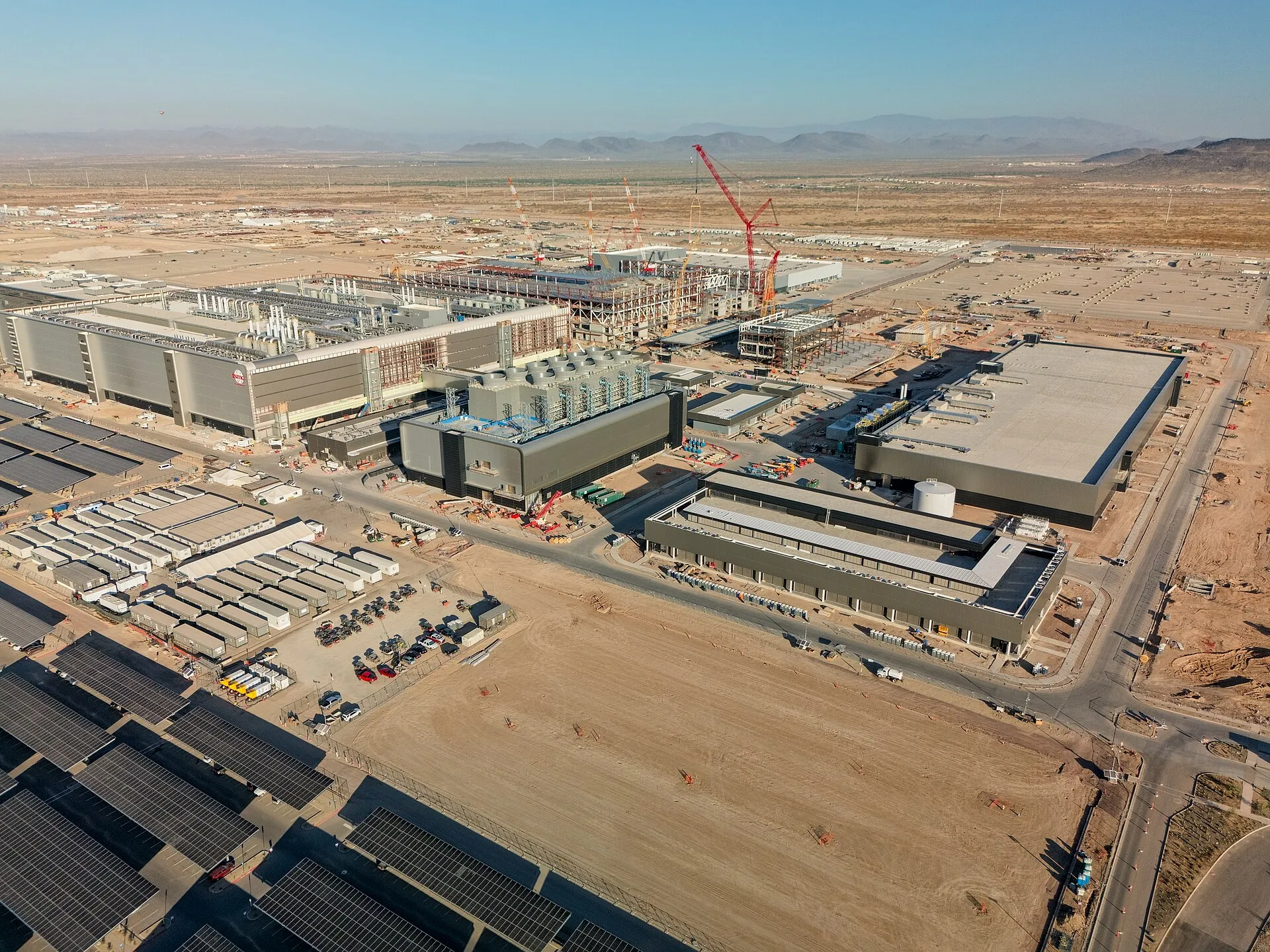
According to Focus Taiwan, the new money covers four more wafer fabs, which will use 2-nanometer and more advanced process technology, plus advanced packaging facilities, where chips are assembled into finished modules. TSMC's own Arizona web page describes the plan as more logic fabs at 2nm and below, together with packaging fabs, built for demand from its U.S. customers.
Wei linked the expansion to multiyear demand from TSMC's leading U.S. customers but did not commit to a completion date. ENR reported that he described the addition as "probably additional four or more fabs" and said the schedule depends on market conditions and customer demand. Focus Taiwan noted that President Donald Trump had referred to a larger Arizona buildout on July 1, before TSMC confirmed any new investment.
The pledge builds on earlier commitments. Bisnow reported that TSMC's earlier US$65 billion plan was backed by a US$6.6 billion federal grant, and that the company raised its commitment to US$165 billion in March 2025. That plan covered six wafer fabs, two advanced packaging facilities and a research and development center, according to TSMC. Focus Taiwan counted 12 leading-edge chipmaking and packaging facilities once the new fabs are included.
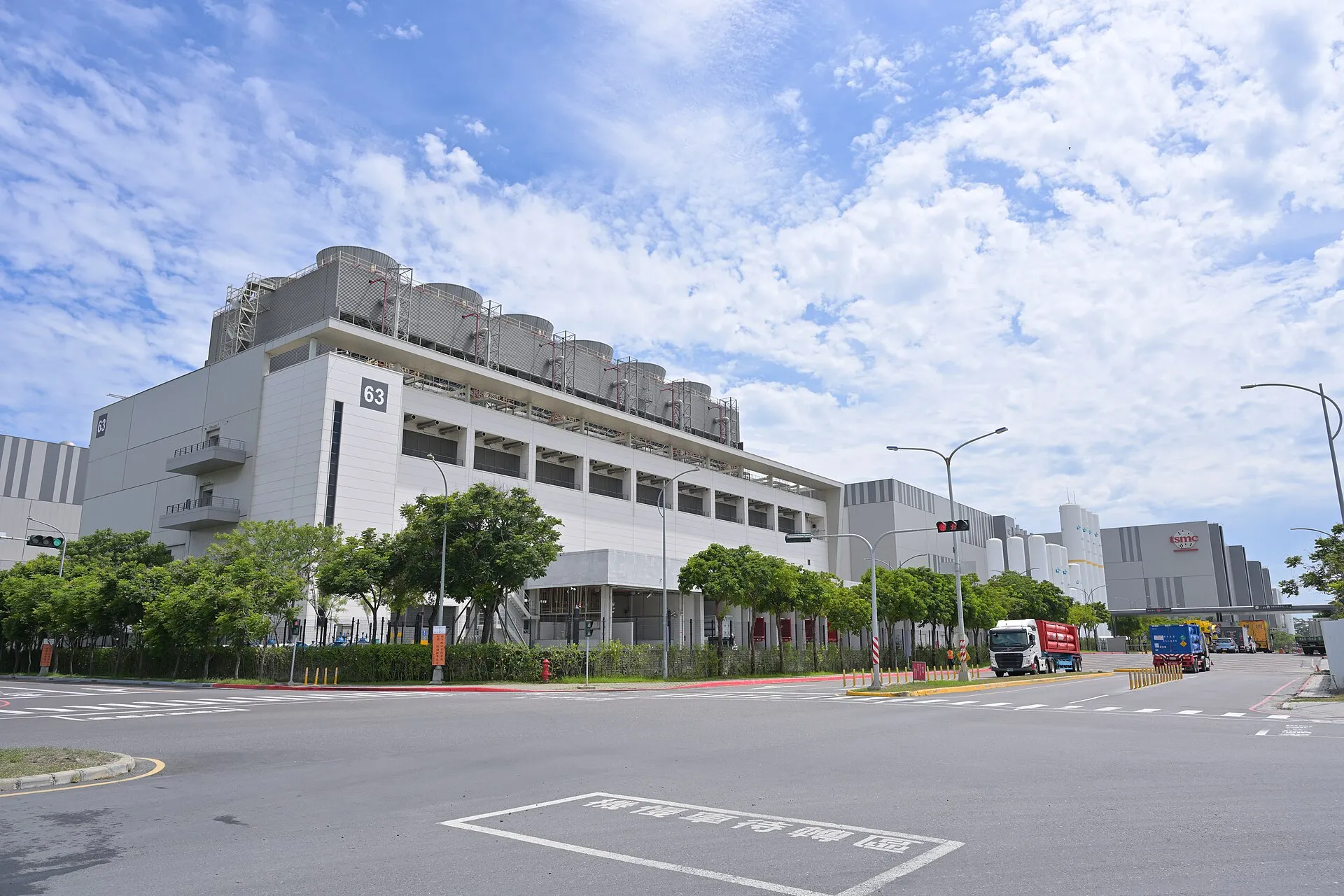
The site is already producing. TSMC says its first Arizona fab began high-volume production on N4, a 4nm-class process, in the fourth quarter of 2024; the second fab targets N3 volume production in the second half of 2027; and a third, for N2 and A16, targets volume production by the end of the decade. The City of Phoenix said more than 3,500 people work there and that about 30% of TSMC's 2nm-and-more-advanced capacity will be in Arizona when the buildout is complete.
The numbers
- Additional Arizona investment
- US$100 billion
- Total planned Arizona investment
- US$265 billion
- Prior Arizona commitment
- US$165 billion (March 2025)
- New wafer fabs
- About four, at 2nm and more advanced
- Arizona share of TSMC 2nm-and-below capacity at completion
- About 30% (City of Phoenix)
- Current Arizona workforce
- More than 3,500 people
Why CEOs should care
For chip buyers, timing matters more than the headline number. Only the first Arizona fab is producing today, the 3nm fab targets the second half of 2027, the 2nm-class fab targets the end of the decade, and the new fabs have no public schedule. Companies that want U.S.-made leading-edge chips for tariff, security or customer reasons should ask vendors which products will be made in Arizona, on which node and when, and should not assume U.S. supply in 2027 roadmaps.
For CFOs, the value is protection against trade risk, at a cost. Bisnow reported that tariff concerns and proximity to customers such as Nvidia (NVDA) helped drive the expansion. At the same time, TrendForce reported that TSMC CFO Wendell Huang put margin dilution from overseas fabs at 2% to 3% in their early stages. Finance teams should ask suppliers whether Arizona-made chips will carry a price premium, and how country-of-origin rules could affect landed costs.
For boards of equipment, materials, construction and industrial property companies, the plan signals years of work around Phoenix; Industrial Sage described 8 to 10 years of continuous construction. The question for them is whether to commit local capacity now, knowing Wei has said the pace will follow customer demand.
The bigger picture
TSMC's Arizona plan started with a US$12 billion investment in 2020, according to the company. Taiwan's Ministry of Economic Affairs had approved US$20 billion on July 2, 2026, for a wafer fab and an advanced packaging plant there, Focus Taiwan reported, two weeks before the new pledge. With that approval, the ministry had cleared a total of US$44 billion of TSMC's U.S. investment since December 2020, which by our calculation is about one-sixth of the US$265 billion plan.
What happened next
On July 17, 2026, American Institute in Taiwan Director Raymond Greene welcomed the pledge, saying proximity to customers would help TSMC keep pace with the market, according to Focus Taiwan. As of September 26, Focus Taiwan's tally of the ministry's approvals still stood at US$44 billion, with July's US$20 billion the most recent approval listed.
On September 29, Korean broadcaster SBS, citing Taiwan's Commercial Times, reported that TSMC was pursuing a second U.S. site in the Dallas area of Texas; SBS said TSMC had not issued an official statement and its board had not approved a final investment decision. What to watch: whether TSMC puts dates on the new Arizona fabs, and whether the second fab reaches N3 volume production in the second half of 2027 as targeted.
What “Fact-checked” means
Fact-checking means testing a story’s facts against the evidence before it is published. This story went through at least two separate checks before this version was published.
- What we checked
- Its names, figures, dates, job titles, quotes and who said what were checked against the story’s sources, including its main source where it could be opened. The headline was checked for accuracy and overstatement.
- How
- A first check reviewed the whole story. If it passed, a second, skeptical check went back to the sources to look for mistakes in the most important facts. If a check flagged the story, it was edited to fix the problems found, and a separate re-check then reviewed the whole story again.
- Who
- The checks are made by our newsroom, as steps kept separate from the writing, under rules set by our editor, Hussein Mukhtar. A story the checks still flag is held for the editor, who decides whether it is fixed, published or dropped.
- Archive story
- It was written after the event. Its dates were checked against the date of the event, including the dates of any later developments it reports.
- If something is wrong
- “Fact-checked” does not mean error-free. If a material error is found after publication, we correct the story and add a note saying what changed. Report an error
Companies in this story