The news
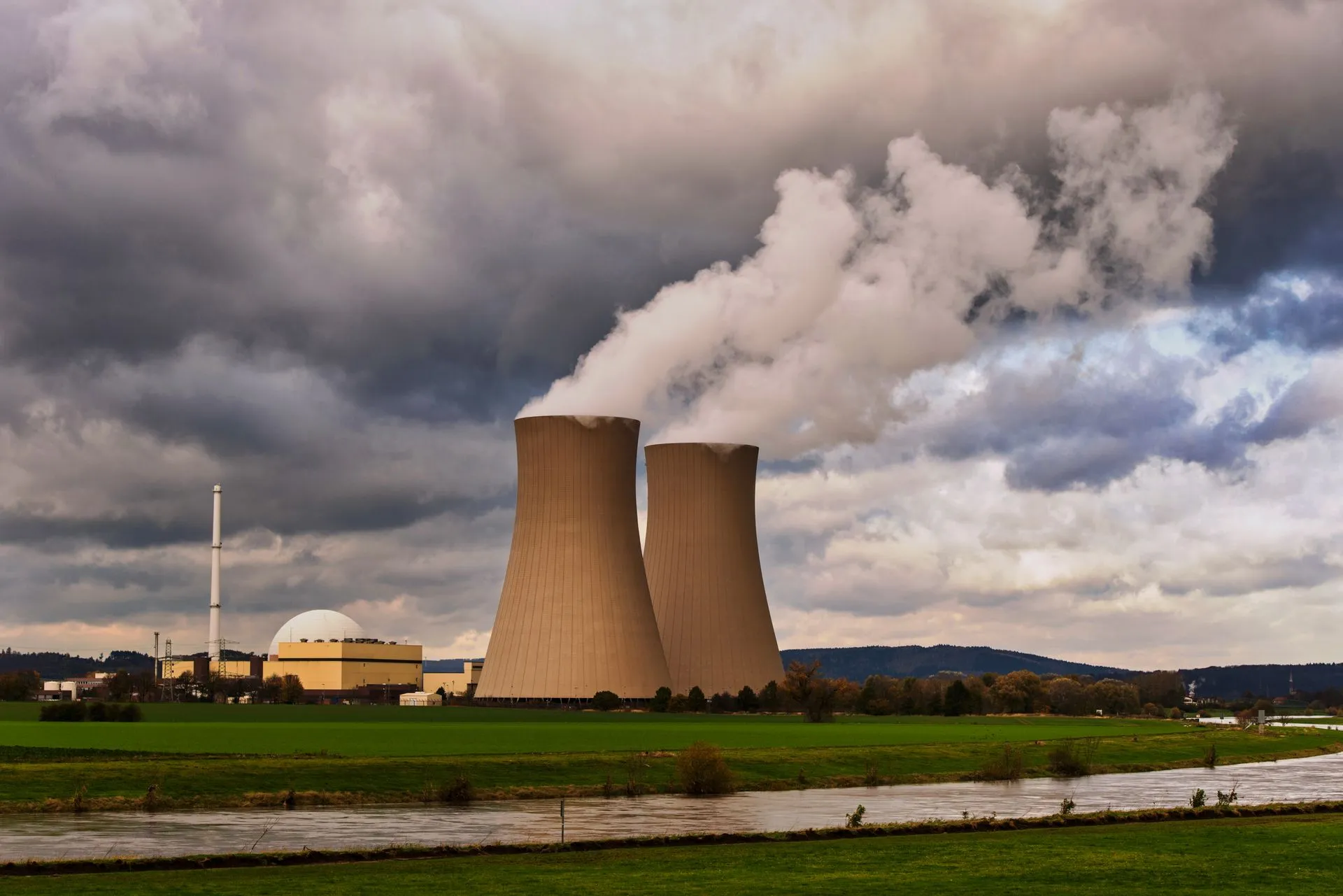
The Nuclear Regulatory Commission (NRC) on September 29 approved a construction permit for the Tennessee Valley Authority (TVA) to build a 300-megawatt small modular reactor at its Clinch River site near Oak Ridge, Tennessee. The NRC called it the nation's first commercial small modular reactor.
The permit covers the BWRX-300, a boiling-water reactor design from GE Vernova Hitachi Nuclear Energy. The NRC said its formal review began in July 2025 and took 14 months, finishing four months ahead of schedule, after a public hearing in Oak Ridge in August. "Four months ahead of schedule is what the new NRC looks like," NRC Chairman Ho K. Nieh said.
The approval does not let TVA operate the reactor. TVA must finish construction and obtain a separate operating license from the NRC before it can load fuel and begin operations, the agency said. TVA has not announced a construction start date. The companies involved had previously targeted the early 2030s for commercial operation, according to the American Nuclear Society.
TVA said it is now the first US utility permitted to build the BWRX-300. The design is about one-third the size of a traditional nuclear unit and uses factory-built components, passive safety features and less land and water, according to TVA. Ontario Power Generation earlier won Canadian approval for a BWRX-300 at its Darlington site in Ontario, the American Nuclear Society noted. TVA already held an early site permit for Clinch River, issued in 2019, the NRC said.
Cost remains open. TVA did not disclose a price and said it continues to negotiate with industry partners on cost sharing, arguing that ratepayers should not carry the cost of a first-of-a-kind technology that benefits the nation. The permit is the NRC's second major new-reactor approval of 2026, after TerraPower's Natrium plant in Kemmerer, Wyoming, in March.
The numbers
- Reactor size
- 300 megawatts
- NRC review time
- 14 months, 4 months ahead of schedule
- Formal review start
- July 2025
- Clinch River early site permit
- 2019
- Schneider switchgear claims (ordering and manufacturing / commissioning)
- 3x faster / 50% less time
- Schneider switchgear wider availability
- 2028
Why CEOs should care
For companies planning AI data center capacity, the permit is a real milestone but not a power source. TVA tied the project to national goals on energy security and AI, yet the reactor still needs construction, an operating license and fuel before it produces electricity, and no build start date is set. Capacity plans that run to the early 2030s should not count on small modular reactor output; ask utilities for dated construction and licensing milestones, not permit headlines.
For CFOs and large energy buyers, the open question is cost. TVA is still negotiating cost sharing with industry partners and says ratepayers should not carry first-of-a-kind costs. Any company approached about nuclear power purchase deals or co-investment should ask who absorbs construction overruns, what happens if the operating license is delayed, and how the power price is set once the plant runs.
Power delivery inside the data center campus matters too. On September 29, Schneider Electric unveiled software-defined medium-voltage switchgear aimed at gigawatt-scale AI sites, claiming ordering and manufacturing three times faster than conventional gear and half the commissioning time, The Register reported. Pilots run through 2027, with wider availability planned for 2028, so facility heads should put electrical equipment timelines under the same scrutiny as power supply.
The bigger picture
The NRC's pace is the larger signal. TVA said the permit creates a repeatable licensing path for future BWRX-300 applicants, and Nieh framed the early finish as proof the agency can make rigorous safety decisions faster. The American Nuclear Society described it as only the second construction permit for a US commercial reactor in nearly a decade. If later applicants can reuse the Clinch River review, approvals could shrink, though building this design in the US and its final cost remain untested.
Demand is the backdrop. The Washington Examiner reported that rising electricity demand, particularly from data centers supporting AI, is part of the push behind new reactors, and TVA linked the project to the administration's goals for energy security and AI. Ontario's Darlington project, the first BWRX-300 approved in North America, will offer an early read on how quickly the design moves from permit to power.
What’s next
Watch for TVA to name cost-sharing partners, set a construction start date and file for an operating license. Other utilities weighing the BWRX-300 will test whether the NRC can repeat a 14-month review.
What “Fact-checked” means
Fact-checking means testing a story’s facts against the evidence before it is published. This story went through at least two separate checks before this version was published.
- What we checked
- Its names, figures, dates, job titles, quotes and who said what were checked against the story’s sources, including its main source where it could be opened. The headline was checked for accuracy and overstatement.
- How
- A first check reviewed the whole story. If it passed, a second, skeptical check went back to the sources to look for mistakes in the most important facts. If a check flagged the story, it was edited to fix the problems found, and a separate re-check then reviewed the whole story again.
- Who
- The checks are made by our newsroom, as steps kept separate from the writing, under rules set by our editor, Hussein Mukhtar. A story the checks still flag is held for the editor, who decides whether it is fixed, published or dropped.
- If something is wrong
- “Fact-checked” does not mean error-free. If a material error is found after publication, we correct the story and add a note saying what changed. Report an error