The news
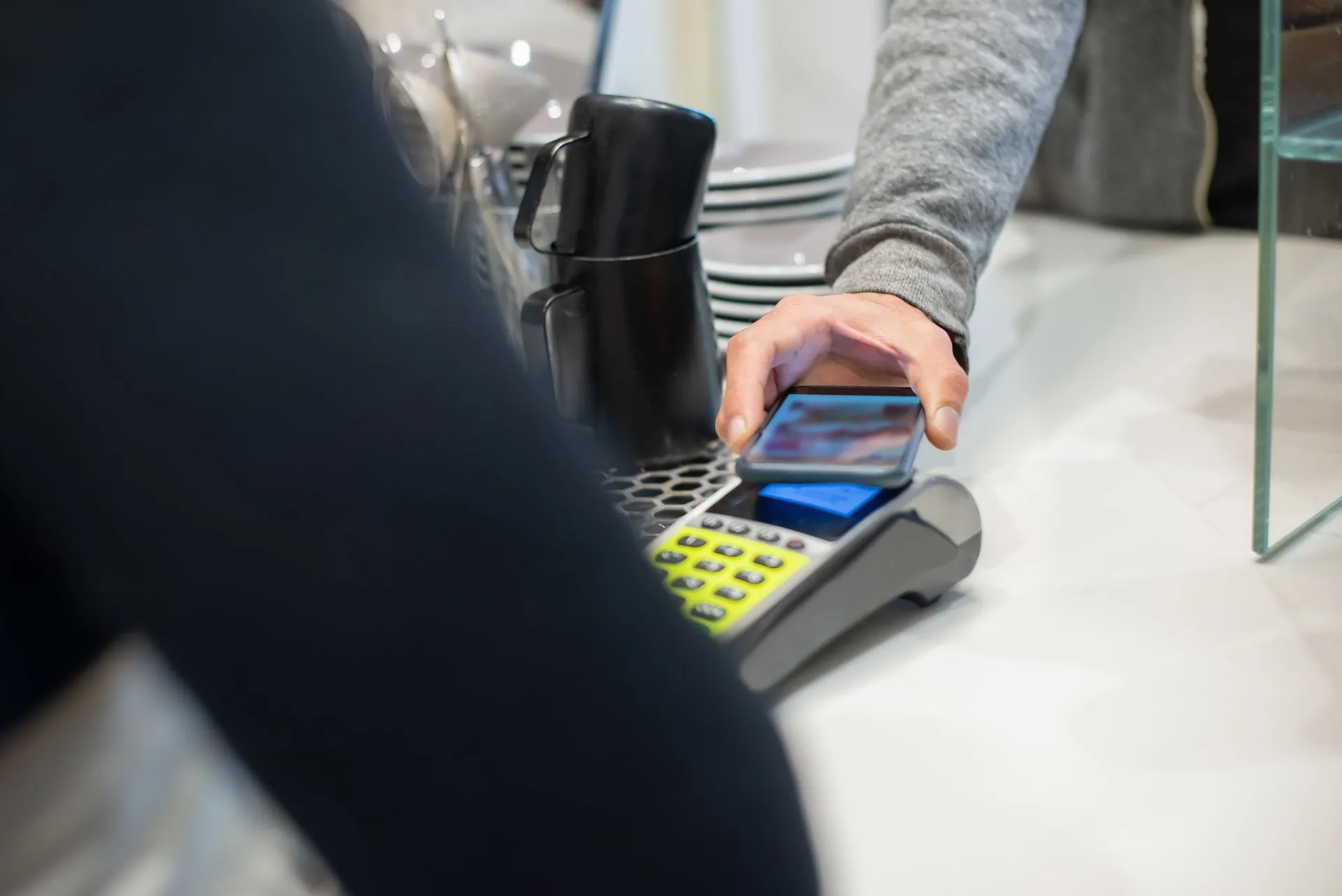
BNY Pay-to-Wallet gives banks a way to route cross-border payments from bank accounts into participating retail digital wallets over existing Swift messages. BNY (NYSE: BNY) announced the capability on September 28, 2026, starting with selected participants in Asia Pacific, where it says wallets account for half of point-of-sale transactions.
The service runs over correspondent banking, the network of relationships banks use to move money for each other across borders, and the Swift messages banks already send. BNY said it combines its U.S. dollar clearing network and 24/7/365 processing to support bank-to-wallet payments across approved markets and corridors.
BNY is pitching the product as a shortcut for banks that want to offer wallet payouts. The company says banks can respond to rising customer interest in wallet transfers without developing the underlying systems themselves, which it argues makes the service simpler and quicker to roll out.
Banks across Asia Pacific, including Kookmin Bank in South Korea, are among the initial users, BNY said. Taishin Bank also appears in the announcement: Cynthia Hsu, head of its wholesale banking product division, called it an opportunity to collaborate with BNY to see how the bank can meet customer needs. Raphael Baik, head of division for foreign exchange business at KB Kookmin Bank, said the capability can help broaden access to digital wallet payments.
Fabian Khoshbakht, BNY's head of global payments and trade for Asia Pacific, said digital wallets "are becoming central to the cross-border payments landscape" and singled out wallet-led markets in Asia Pacific and other high-growth corridors. BNY said it plans to expand the capability globally over time. The release does not name the wallet providers involved or list specific corridors.
BNY cited figures showing that retail digital wallets account for 50% of point-of-sale transactions in Asia Pacific and are projected to exceed 60% by 2027; the release does not identify the source of those estimates. As of June 30, 2026, BNY had $62.6 trillion in assets under custody and/or administration and $2.2 trillion in assets under management, the company said.
The numbers
- Wallet share of point-of-sale transactions in Asia Pacific (cited by BNY)
- 50%
- Projected wallet share by 2027 (cited by BNY)
- More than 60%
- BNY assets under custody and/or administration (June 30, 2026)
- $62.6 trillion
- BNY assets under management (June 30, 2026)
- $2.2 trillion
Why CEOs should care
For CFOs and treasurers at companies that pay individuals in Asia Pacific, such as contractors, marketplace sellers or insurance claimants, bank-to-wallet payouts could reach people who prefer a wallet to a bank account. Ask your banks whether they are connected to BNY's service, which countries and wallets are covered, how foreign exchange rates and fees are shown, how fast funds arrive, and what happens when a wallet credit fails or must be returned.
Bank executives face a build-or-buy decision. BNY's pitch is that banks can add wallet payouts without building their own technology or integrating wallet by wallet. Before signing up, weigh the dependence on a single correspondent, the pricing, how many wallets and corridors are actually reachable, and whether the service fits existing Swift and compliance workflows.
Compliance and security leaders should look closely at recipient verification. A payment that ends in a consumer wallet passes through more hands than a standard bank transfer. Ask how the wallet holder's identity is confirmed, how sanctions screening and name matching work across the bank and wallet sides, what data is shared with wallet operators, and who is liable if funds reach the wrong wallet.
The bigger picture
Digital wallets are becoming a destination that traditional cross-border rails need to reach, not just a checkout option. BNY's move keeps banks in those flows by letting them use the Swift and correspondent infrastructure they already run, rather than routing payouts through separate providers.
It is part of a broader effort to make bank-based cross-border payments work with consumer-friendly endpoints. On the same day, Swift announced an initiative to let consumers send cross-border payments using aliases such as phone numbers or email addresses, drawing on domestic systems like Bizum, PayID and Pix, as reported by PYMNTS. That effort is not yet live, while BNY says its wallet capability already has initial bank users.
What’s next
Watch for BNY to name specific corridors and wallet partners, for more Asia Pacific banks to sign on, and for any timeline to extend Pay-to-Wallet beyond the region as the company expands the capability globally. Disclosure of pricing and delivery times will show how it compares with the payout options businesses already use.
What “Fact-checked” means
Fact-checking means testing a story’s facts against the evidence before it is published. This story went through at least two separate checks before this version was published.
- What we checked
- Its names, figures, dates, job titles, quotes and who said what were checked against the story’s sources, including its main source where it could be opened. The headline was checked for accuracy and overstatement.
- How
- A first check reviewed the whole story. If it passed, a second, skeptical check went back to the sources to look for mistakes in the most important facts. If a check flagged the story, it was edited to fix the problems found, and a separate re-check then reviewed the whole story again.
- Who
- The checks are made by our newsroom, as steps kept separate from the writing, under rules set by our editor, Hussein Mukhtar. A story the checks still flag is held for the editor, who decides whether it is fixed, published or dropped.
- If something is wrong
- “Fact-checked” does not mean error-free. If a material error is found after publication, we correct the story and add a note saying what changed. Report an error